
Additional Resources
Makai Watch Brochure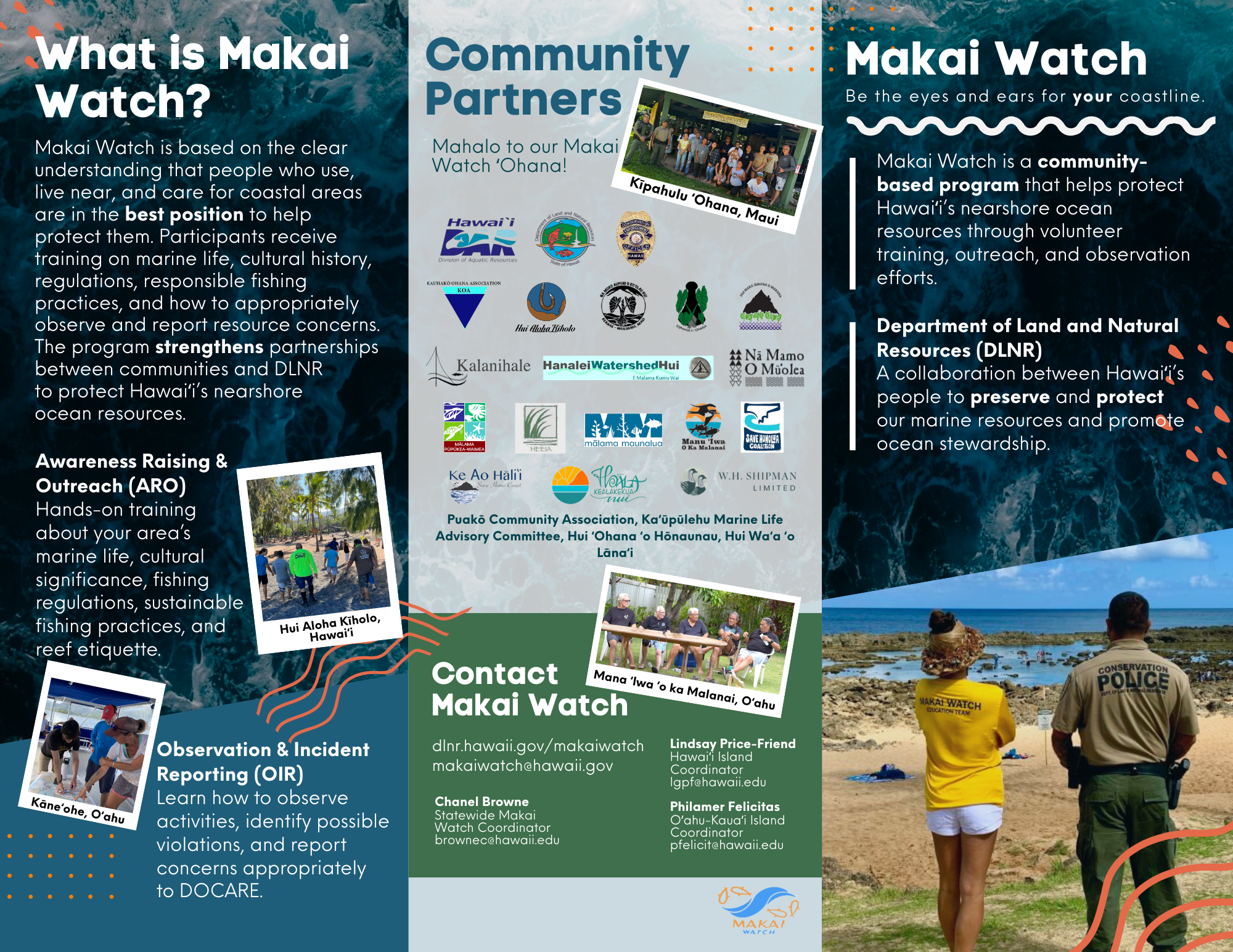
‘Ike Kai Project
`Ike KaiHawaiʻi Administrative Rules
Administrative Rules are regulations established by the department through an extensive public review and hearing process. The procedure for administrative rules is set by Hawaii Revised Statutes Chapter 91. A proposed rule (or amendment) is drafted by the department, approved by the Board of Land and Natural Resources (BLNR) for public meetings/hearings, and reviewed by the Department of the Attorney General (AG). Then the draft is taken out to public meetings and/or hearings, where the public can give formal testimony on the draft rule. The rule is revised, if necessary, and then submitted to the Board of Land and Natural Resources for final approval. Then it is reviewed again by the AG, and after signing by the Governor and filing with the Lieutenant Governor, it has the effect of law.
Hawaiʻi Administrative RulesHawaiʻi Fishing Regulations
This information is presented to acquaint sport and commercial fishermen with State laws and rules pertaining to fishing in Hawaii. It is not to be used as a legal document. Failure to include complete statutes or administrative rules in this summary does not relieve persons from abiding by those statutes and rules. Any discrepancies between this summary and the statutes or rules from which it was prepared will be enforced and adjudicated according to the official statutes and rules in effect on the date the activity took place. The full text of the statutes and rules is available for review at most public libraries in the State and at DAR and DOCARE offices.
Hawaiʻi Fishing RegulationsFishing in Hawaiʻi: A Student Manual

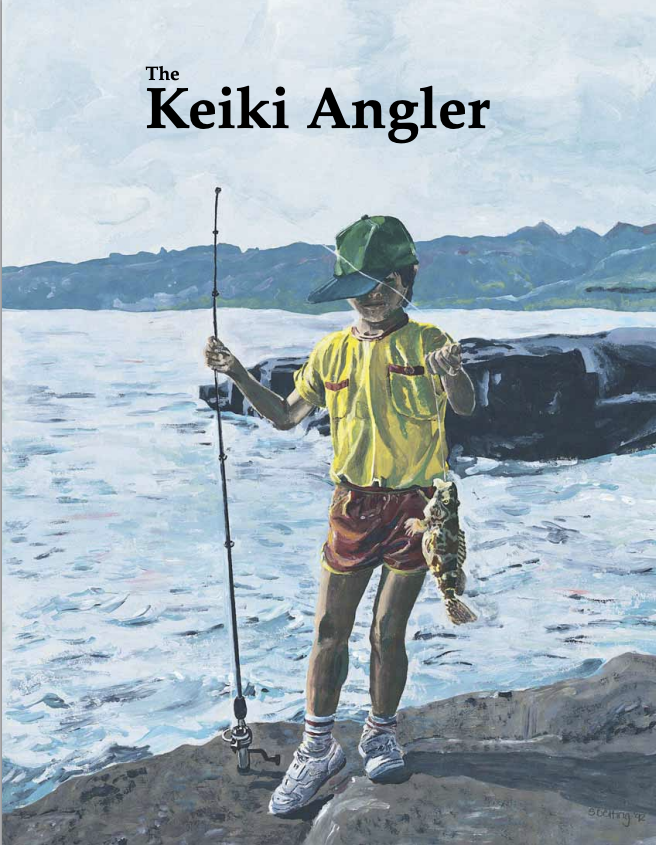
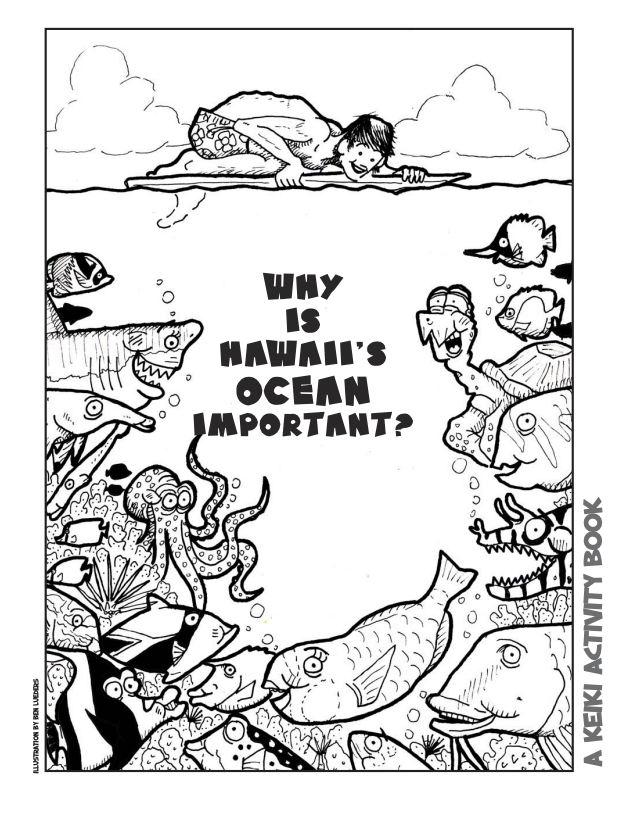
Division of Aquatic Resources (DAR)ʻs Fishing Education program is designed to enhance interest in and concern for freshwater and nearshore marine environments by introducing children and adults to fishing. Emphasis is on pono fishing practices, including catch-and-release fishing. Topics include fishing gear and methods, fish biology and habitat, fishing safety, conservation, and fisheries management. DAR education specialists work with schools, scouts, community groups, and others, and provide instructional materials, fishing gear, and technical expertise. Resources include the Fishing in Hawaiʻi: A Student Manual, The Keiki Angler Book and Why is Hawaʻi’s Ocean Important: A Keiki Activity Book.
Fishing in Hawai’i: A Student ManualThe Keiki Angler
Why is Hawaiʻi’s Ocean Important: A Keiki Activity Book
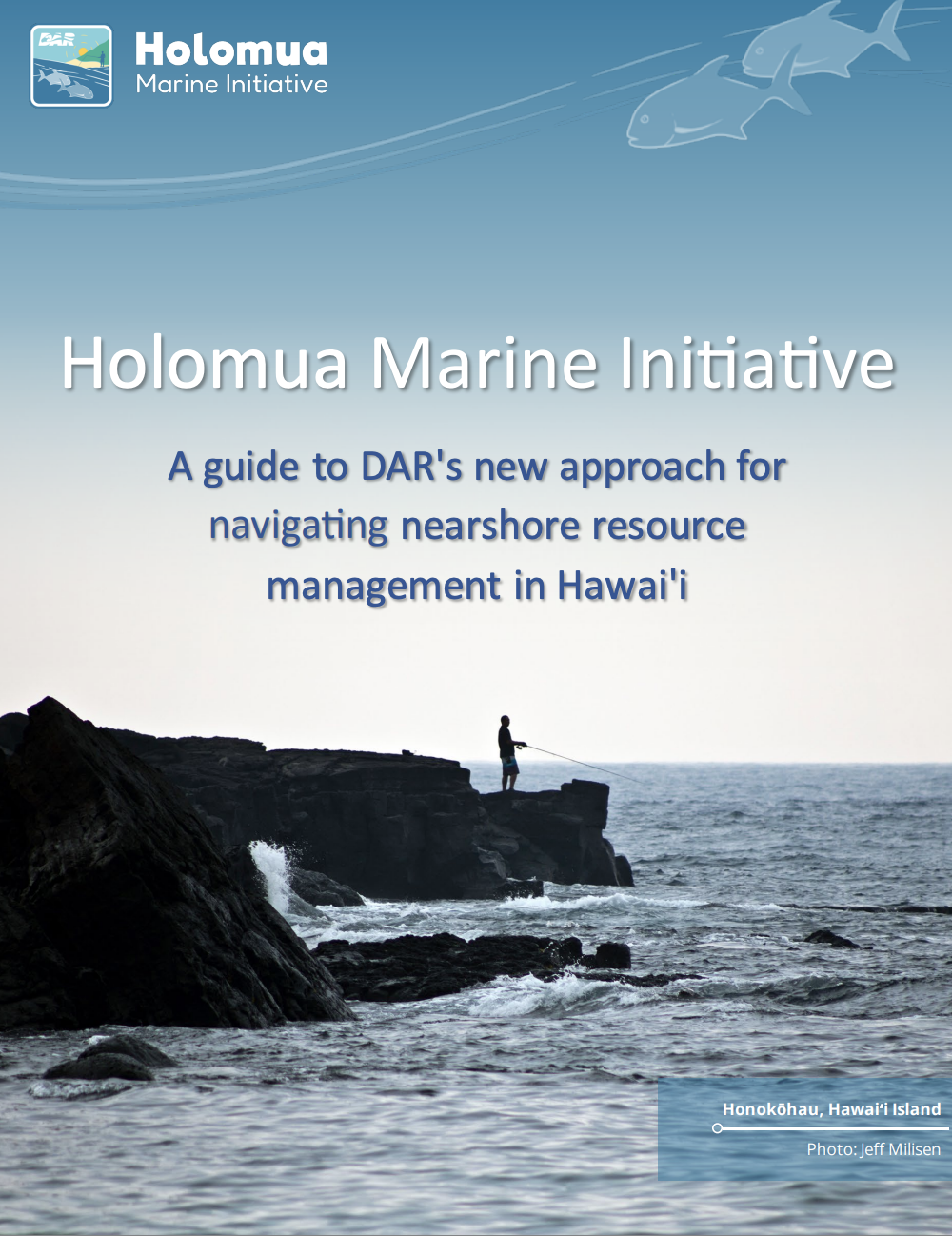
Holomua Marine Initiative
The Division of Aquatic Resources (DAR) launched Holomua Marine Initiative as a way to work with communities to effectively manage our nearshore marine resources around each main Hawaiian island so that our local resources are available and plentiful, today and for future generations. This is a new community-based planning approach to ensure local knowledge is guiding marine resource management planning at every step in the process.
To learn more about the Holomua Marine Initiative, please click the link HERE.
Holomua Marine Initiative: Kōkua Community-Based Monitoring Project
Community-Based Monitoring (CBM) is a way for local communities to track and build a holistic understanding of the health of the places and resources they care about, such as fish, limu, water quality, and how people use an area. CBM work is led by the community, with members deciding what to monitor, how to do it, and how the information is used, connecting data directly to community knowledge and supporting informed decision making. The Kōkua Community-Based Monitoring Program supports these efforts by working alongside communities across the pae ‘āina, with the Division of Aquatic Resources and partners providing guidance, tools, and technical support to help communities design and carry out their own monitoring, build local capacity, and use the information collected to guide management decisions for nearshore resources.
Kōkua Community-Based Monitoring Project