
Coral Reefs
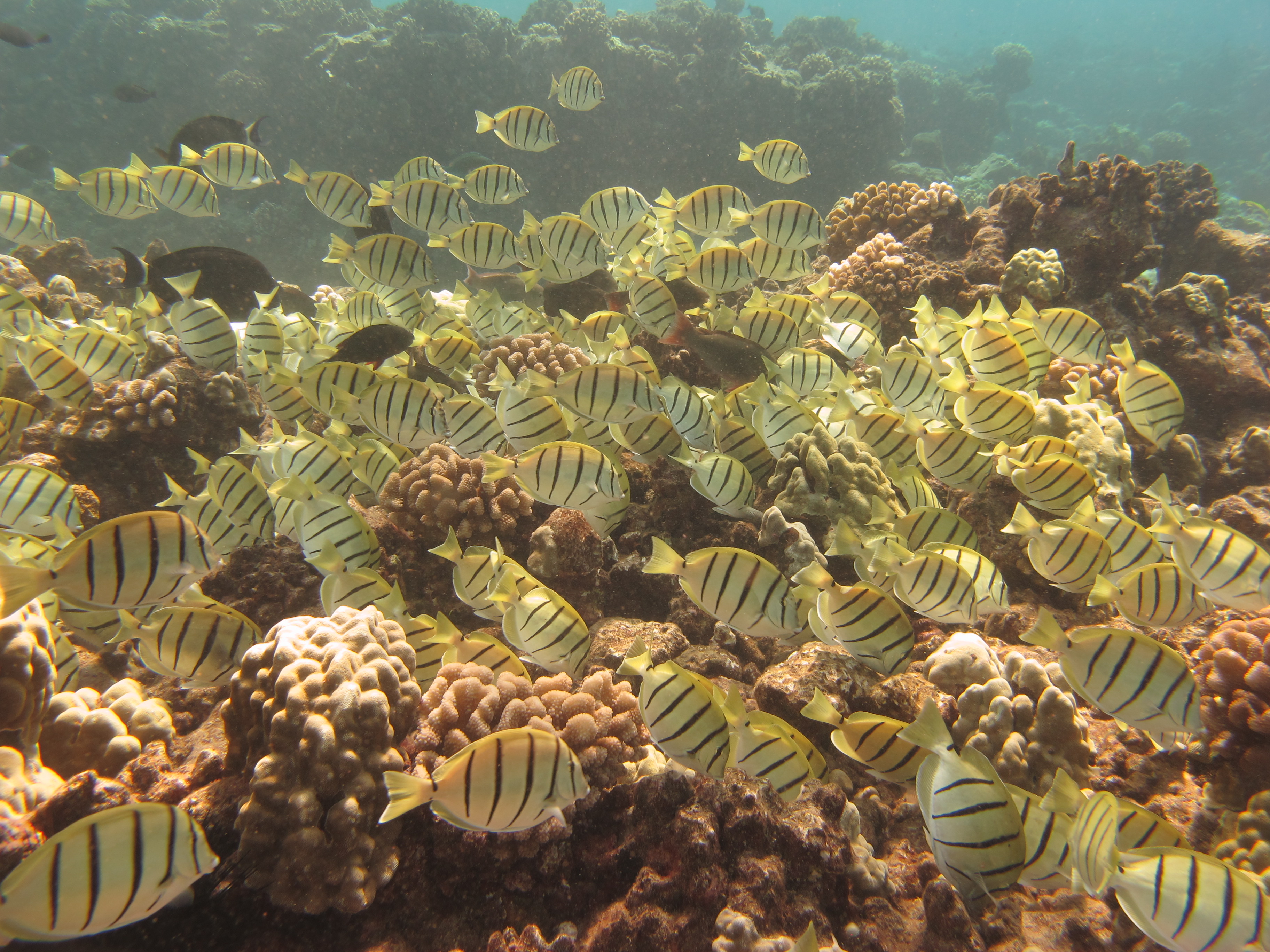 Coral reefs are the world’s most productive marine ecosystems. Reef building corals contain tiny cells of symbiotic algae that convert sunlight and nutrients into fuel for coral growth and production. Other types of corals that do not require warm water or sunlight are found in deep water, providing important habitats for commercial, recreational and other species.
WHY CARE ABOUT CORAL REEFS?
Healthy coral reefs are some of the most biologically diverse and economically valuable ecosystems on earth, providing food, jobs, recreational opportunities, coastal protection and other important services to billions of people world-wide. Unfortunately, many of the world’s coral reefs (including the associated seagrass beds and mangrove habitats) have been damaged or destroyed due to increasing human impacts, climate change, and other factors. According to the Status of Coral Reefs of the World: 2004, 70% of the worlds’ coral reefs are threatened or destroyed, 20% of those are damaged beyond repair, and within the Caribbean alone, many coral reefs have lost 80% of coral species. The decline and loss of coral reef ecosystems has significant social, economic, and ecological impacts on people and communities in the U.S. and around the world.
BENEFITS
Coral reefs provide habitat for one-third of all marine fish species, build tropical islands, protect coasts from waves and storms, contain an array of potential pharmaceuticals, and support tourism and fishing industries worth billions of dollars. Coral reefs are also fundamental to the fabric of local communities, providing a source of food, materials and traditional activities.