2/5/26 – IT’S PEAK HUMPBACK WHALE SEASON – GO SLOW, WHALES BELOW!
Posted on Feb 5, 2026 in Aquatic Resources, Main, News Releases, slider, Whale| JOSH GREEN, M.D. GOVERNOR |
RYAN KANAKAʻOLE
ACTING CHAIRPERSON |
IT’S PEAK HUMPBACK WHALE SEASON – GO SLOW, WHALES BELOW!
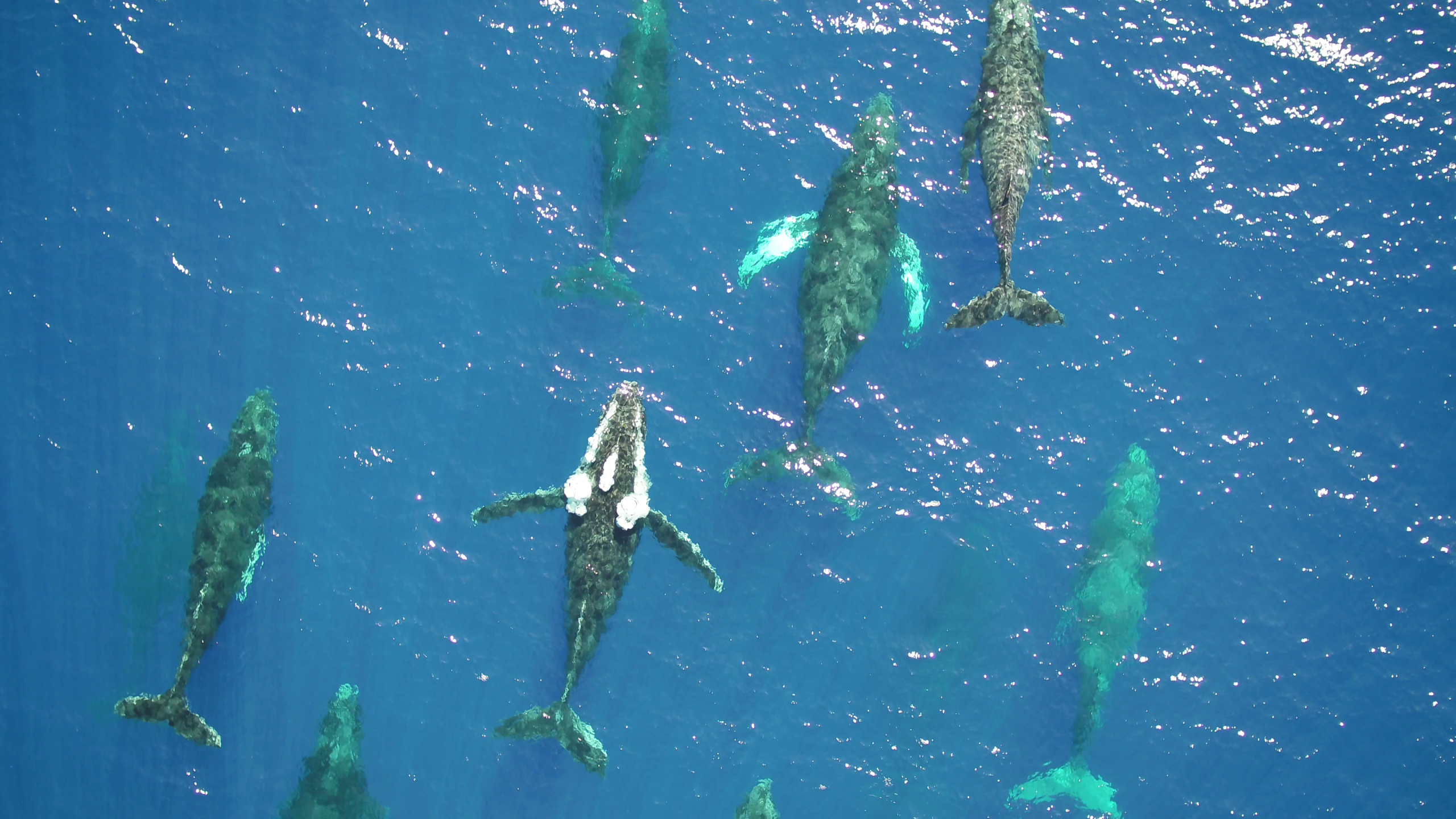
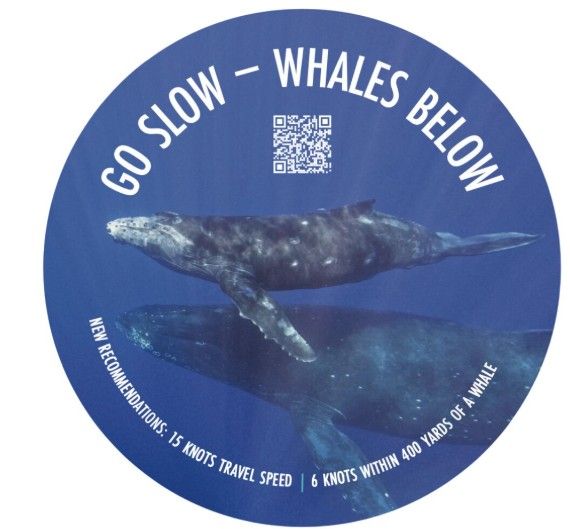
HONOLULU – More than 10,000 humpback whales migrate to Hawaiʻi each winter to breed, nurse calves and raise their young. As koholā, or humpback whale, season reaches its peak in Hawaiʻi the Go Slow – Whales Below initiative urges mariners to be mindful and exercise caution when out on the ocean, for the safety of the whales and everyone on the water.
Recently a humpback whale calf was photographed off Oʻahu’s west coast with a large gash across its back. Based on signs of healing, the injury likely occurred from a vessel strike in Hawaiian waters.
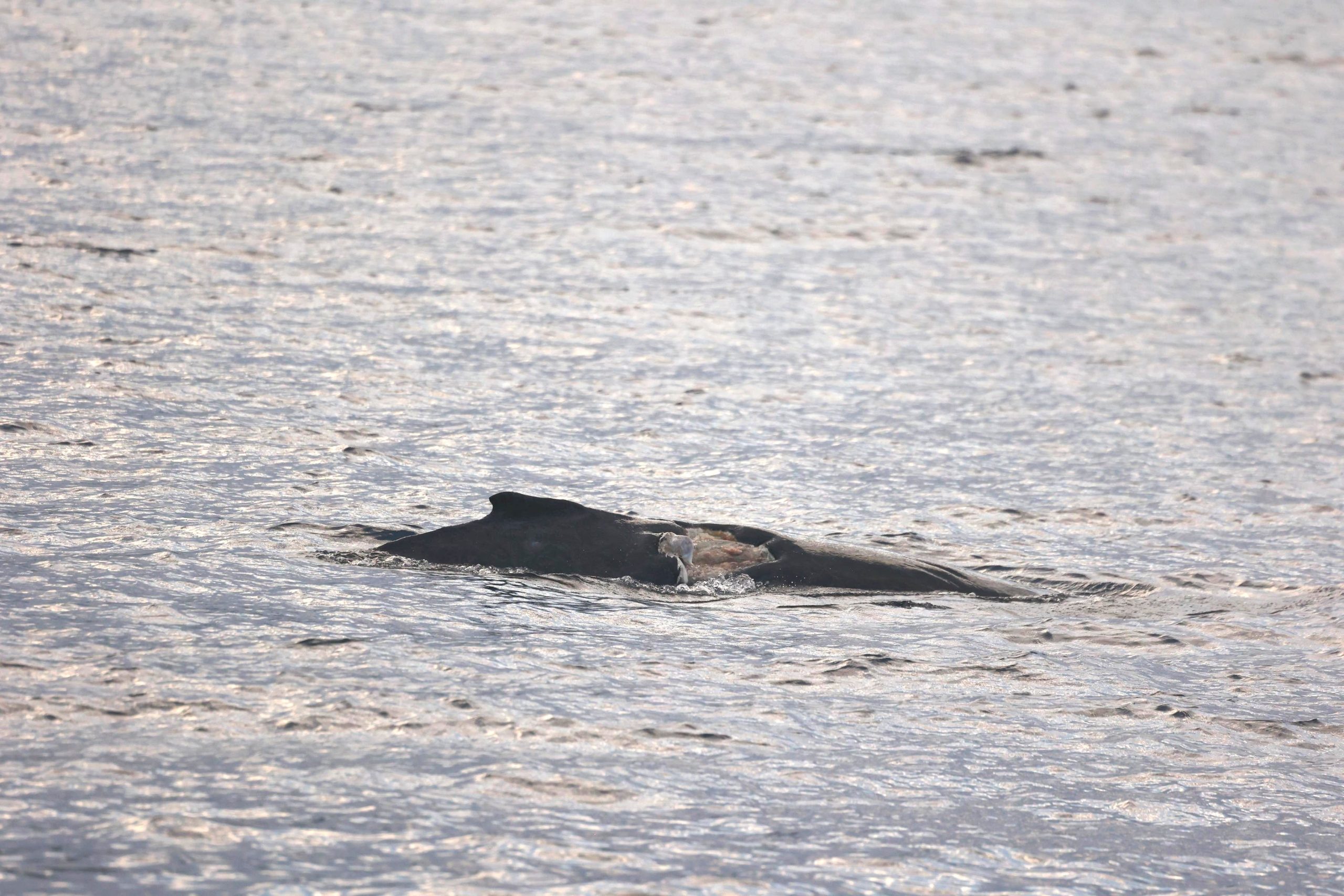
On January 23, 2026, a humpback whale calf was photographed off Waiʻanae showing a large slice across its back. Based on signs of healing, the injury likely occurred from a vessel strike in Hawaiian waters days or weeks before the photo was taken. Photo credit: Conner Humann.
The Go Slow – Whales Below initiative is a cooperative effort between DLNR’s Divisions of Aquatic Resources (DAR) and Boating and Ocean Recreation (DOBOR), the National Oceanic and Atmospheric Administration’s (NOAA) Hawaiian Islands Humpback Whale National Marine Sanctuary and the Pacific Whale Foundation. Initiative members remind vessel operators to:
- Travel at speeds of 15 knots or less (or minimal planing speed) in waters 100 fathoms (600 ft) deep or less.
- Reduce to six knots or less when approaching or departing whales within 400 yards.
- Never approach, by any means (from standup paddleboards to motorized vessels) within 100 yards of a humpback whale — it’s the law.
Boaters and ocean users are also advised to be on the lookout for whales, especially curious calves, which may surface unexpectedly, are difficult to see and spend more time at the surface. Due to less experience, calves are less likely to avoid approaching vessels. Remaining vigilant and slowing down can help prevent collisions that could injure or kill whales, or damage vessels and harm people.
If you encounter a vessel-struck, entangled, or otherwise distressed whale:
- Maintain a distance of at least 100 yards.
- Call the NOAA Fisheries 24/7 Marine Wildlife Response Hotline at 888-256-9840, immediately.
- If unable to call, contact the U.S. Coast Guard on VHF Channel 16, as it will relay your report.
Individuals should not attempt to swim with, approach or disentangle a whale – it is illegal. Even well-intentioned actions are extremely dangerous for both humans and whales. Humpbacks can weigh more than 40 tons and people attempting to free animals without proper training and equipment have been seriously injured or killed.
Rapid and accurate reporting — acting as the first responder — is the best way the community can help these compromised whales this season. Additional details on whale sightings and response efforts are posted at the DOBOR website: https://dlnr.hawaii.gov/dobor/boating-with-whales/.
The initiative wants to Mahalo the community for their kōkua in reporting, safely and legally monitoring and documenting whales in Hawaiʻi’s waters.
# # #
RESOURCES
(All images/video courtesy DLNR, unless noted)
Video – Whale Watch Recommendations for vessels – media clips (Feb. 2022):
Photographs – Humpback Whale Season in Hawaiʻi (various):
Tips for Boating with Whales (DOBOR website):
https://dlnr.hawaii.gov/dobor/boating-with-whales/
Protecting Marine Species in Hawaiʻi (DOBOR website):
https://dlnr.hawaii.gov/dobor/protecting-marine-species/
Marine Life Viewing Guidelines (NOAA Fisheries website):
https://www.fisheries.noaa.gov/topic/marine-life-viewing-guidelines
Media Contact:
Ryan Aguilar
Communications Specialist
State of Hawaiʻi Department of Land and Natural Resources
E-mail: [email protected]