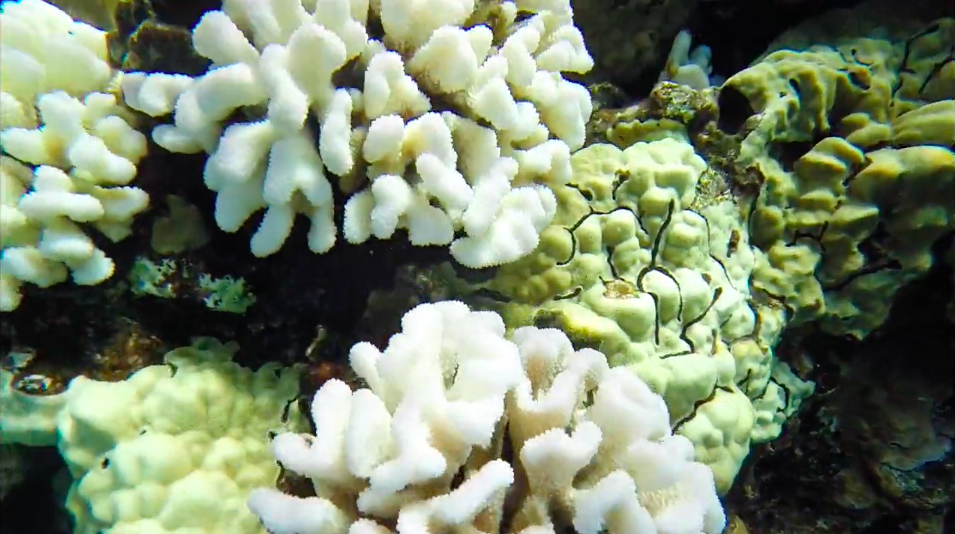
(HONOLULU) – Extensive, mass coral bleaching across the entire Hawaiian archipelago is prompting the development of a comprehensive coral reef management plan for near-shore waters in the main Hawaiian Islands. Dr. Bruce Anderson, the administrator for the DLNR Division of Aquatic (DAR) Resources explained, “Coral bleaching in some parts of Hawaii is unprecedented in recorded history, placing our corals at much greater risk of dying. We need to ensure our reefs are as healthy and resilient as possible to maximize the chances of recovery.” However, in a response to a recent inquiry, Anderson added “Aquarium fish collecting is not thought to contribute significantly to the problem, while declines in populations of large-scale coral scraping herbivores such as parrot fish (uhu) are a significant issue for our reef health.”
Aquatic Resources
(HONOLULU) – The world’s foremost authority on shark/human interactions has confirmed that a surfer was bitten by an eel off Waikiki last Saturday night. The Department of Land and Natural Resources (DLNR) has now completed its investigation into the incident. The surfer who wants to remain anonymous got injuries to his left foot. DLNR staff interviewed the victim, and the information he provided, along with photos of his injuries, were discussed with George Burgess, director of the International Shark Attack File in Florida. The details of the Saturday incident reinforced Burgess’ opinion that the animal involved was an eel, not a shark.
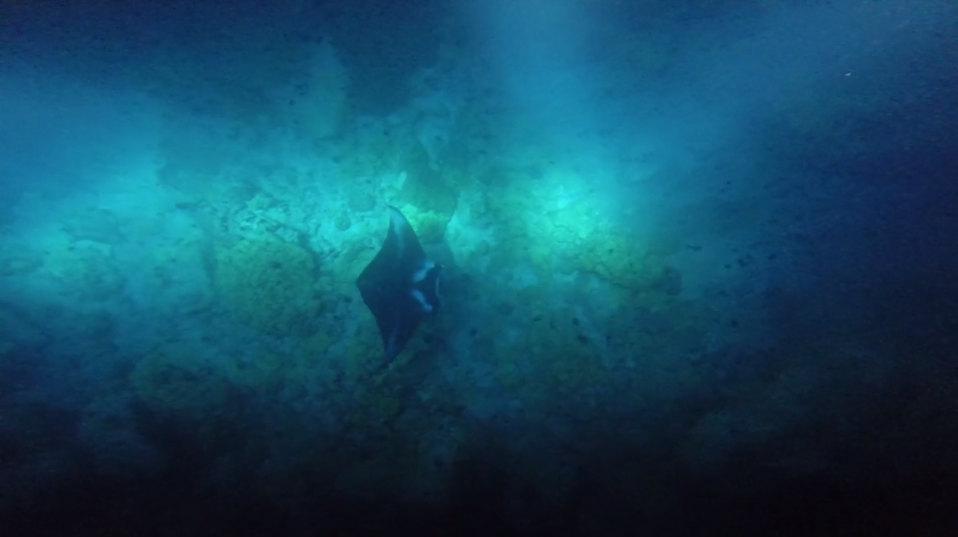
HONOLULU – The popularity of manta ray viewing sites at Makako Bay (Garden Eel Cove) along the coastline fronting the Sheraton Keauhou Bay on the Big Island’s Kona coast has captured media, state and federal attention. These manta ray viewing opportunities are unique worldwide and tours are conducted in two specific areas where mantas tend to congregate at night to feed on plankton. In recent years it has come to the attention of the DLNR that commercial manta ray night snorkeling and diving at these two popular sites has expanded considerably and the activity is in need of regulation in order to preserve the resource and prevent the dangers posed by overcrowding. The DLNR Division of Boating and Ocean Recreation (DOBOR) is actively engaged in responsibly investigating the tour operations taking place and working to further regulate manta tour activities for safety and for the environment.
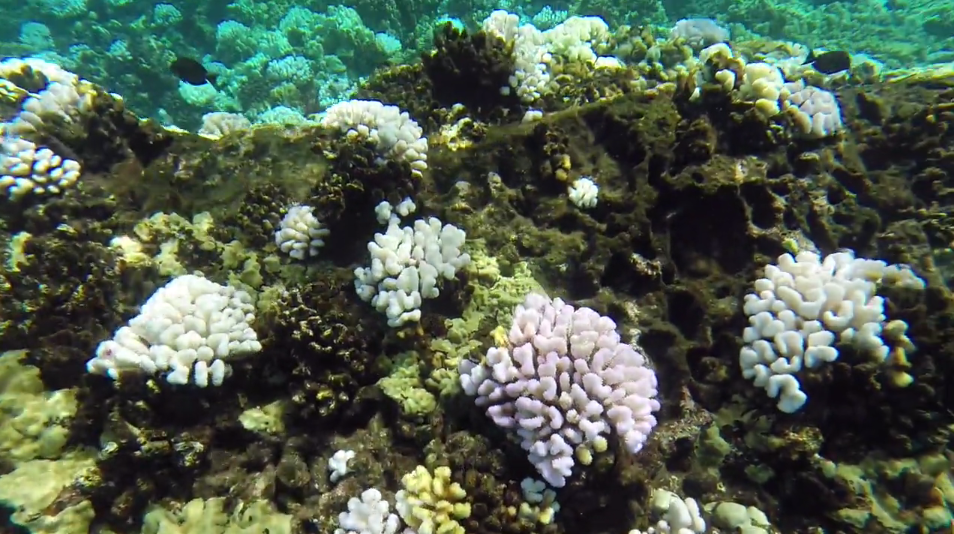
(MOLOKINI) - When the Keolahou arrives at Molokini Crater, three miles off Maui’s south coast, more than a dozen commercial tour boats are already moored. The Keolahou is a DLNR Division of Aquatic Resources (DAR) research vessel. Yesterday it carried five researchers to Molokini to continue, what has been so far, a three-year-long coral bleaching monitoring project. While the researchers dive to lay out transect lines, to tag coral heads and to photograph them, hundreds of tourists snorkel nearby.
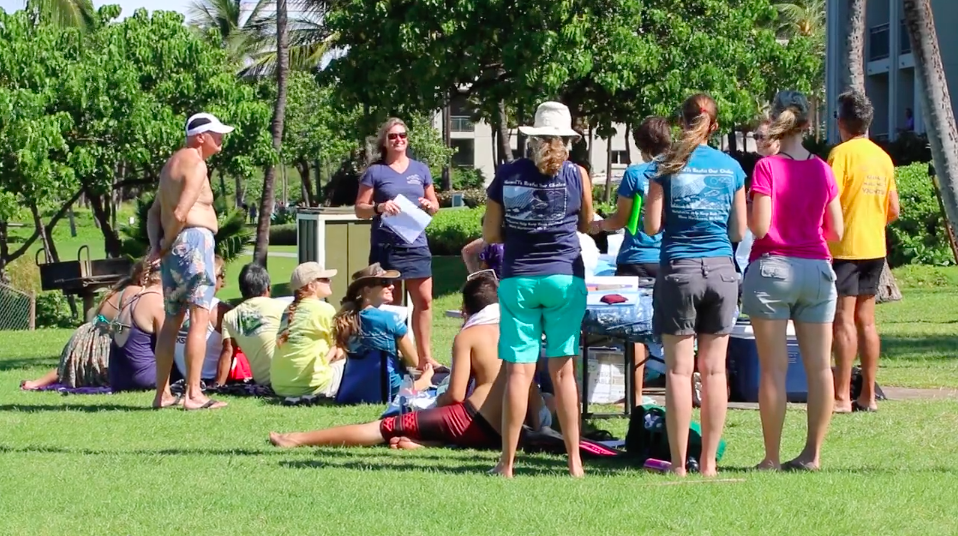
HONOLULU - Hawaii’s unprecedented coral bleaching event this fall prompted dozens of new volunteers to receive training today by the Eyes of the Reef Network (EOR), to spot and report coral bleaching on their local reefs. Billed as Bleachapalozza, today’s statewide training was intended to increase the number of trained volunteers in the water, documenting and reporting bleaching to the network.

(HONOLULU) - Dr. Bruce Anderson, a well-known Hawaiʻi leader in environmental protection, has been selected to be the Administrator of the DLNR Division of Aquatic Resources (DAR).
(HONOLULU) – Coral 'bleaching', a stress response caused by high ocean temperatures that makes corals appear white and can ultimately lead to their death, is reaching unprecedented levels across Hawaii. Serious concern has already prompted a response from state and federal agencies charged with protecting and monitoring the health of coral reefs and volunteer organizations are also now responding. DLNR’s Division of Aquatic Resources (DAR) is supporting the first-ever Bleachapalooza; a grassroots effort that will bring volunteers together statewide to receive training on how to identify coral bleaching in their areas and how to report their findings to the Eyes of the Reef Network (www.eorhawaii.org).
HONOLULU – The Department of Land and Natural Resources, in partnership with Cascadia Research Collective and Hawaii Pacific University, has been awarded nearly $1.2 million dollars over three years from NOAA Fisheries to support the conservation and recovery of Hawaii’s endangered false killer whales.
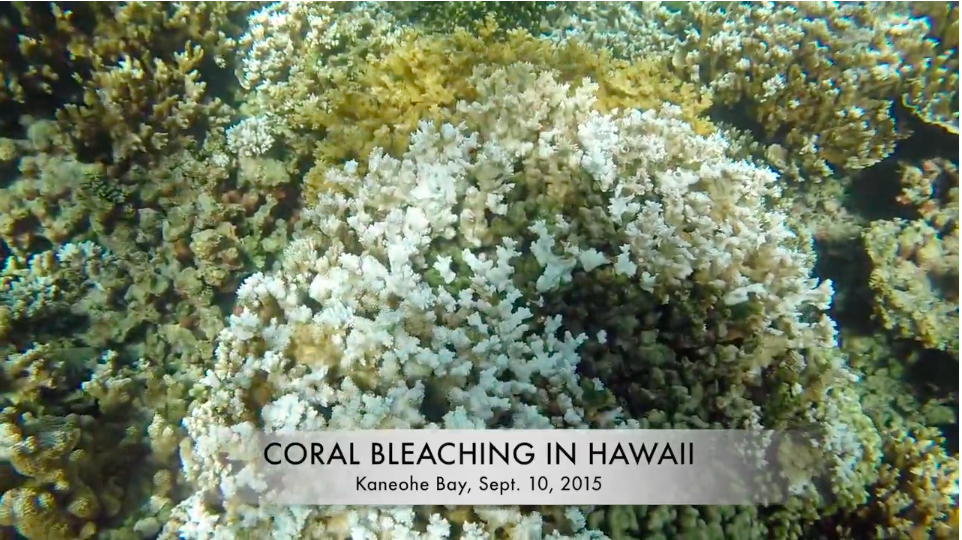
(HONOLULU) – As predicted, coral reefs across Hawaii from Kure Atoll, the northernmost land feature in the Hawaiian Archipelago, to Hawaii Island are starting to feel the effects of coral bleaching. This is a result of coral sensitivity to rises in ocean temperatures as small as 1-2 degrees. Climate experts from the National Oceanic and Atmospheric Administration’s (NOAA) Coral Reef Watch program forecasted severe coral bleaching conditions for Hawaiian waters beginning in August and continuing through October. The warnings indicate that high ocean temperatures compounded by an El Nino event have a strong likelihood of causing mass coral bleaching across Hawaii. Last summer saw the first documented event of mass bleaching across the entire archipelago, and reefs in the Northwestern Hawaiian Islands (NWHI) experienced their third and worst reported mass bleaching event to date.
HONOLULU — The Department of Land and NaturalResources (DLNR) is pleased that the federal government has incorporated state input into new rules aimed at further protection for the critically endangered Hawaiian monk seal, by focusing protection on areas most important forforaging, pupping and resting.