(Lihue, Kaua‘i) – Two of three baby Nene photographed grazing in lush grass alongside the Hanalei River last month were killed by cars as they attempted to cross a highway. Video shot by DLNR and distributed to media across the state on Dec. 28, 2016, showed a family of Nene; mother, father and their three goslings resting and eating on the stream’s bank underneath the Hanalei Bridge. The deaths of the two goslings happened last week.
slider
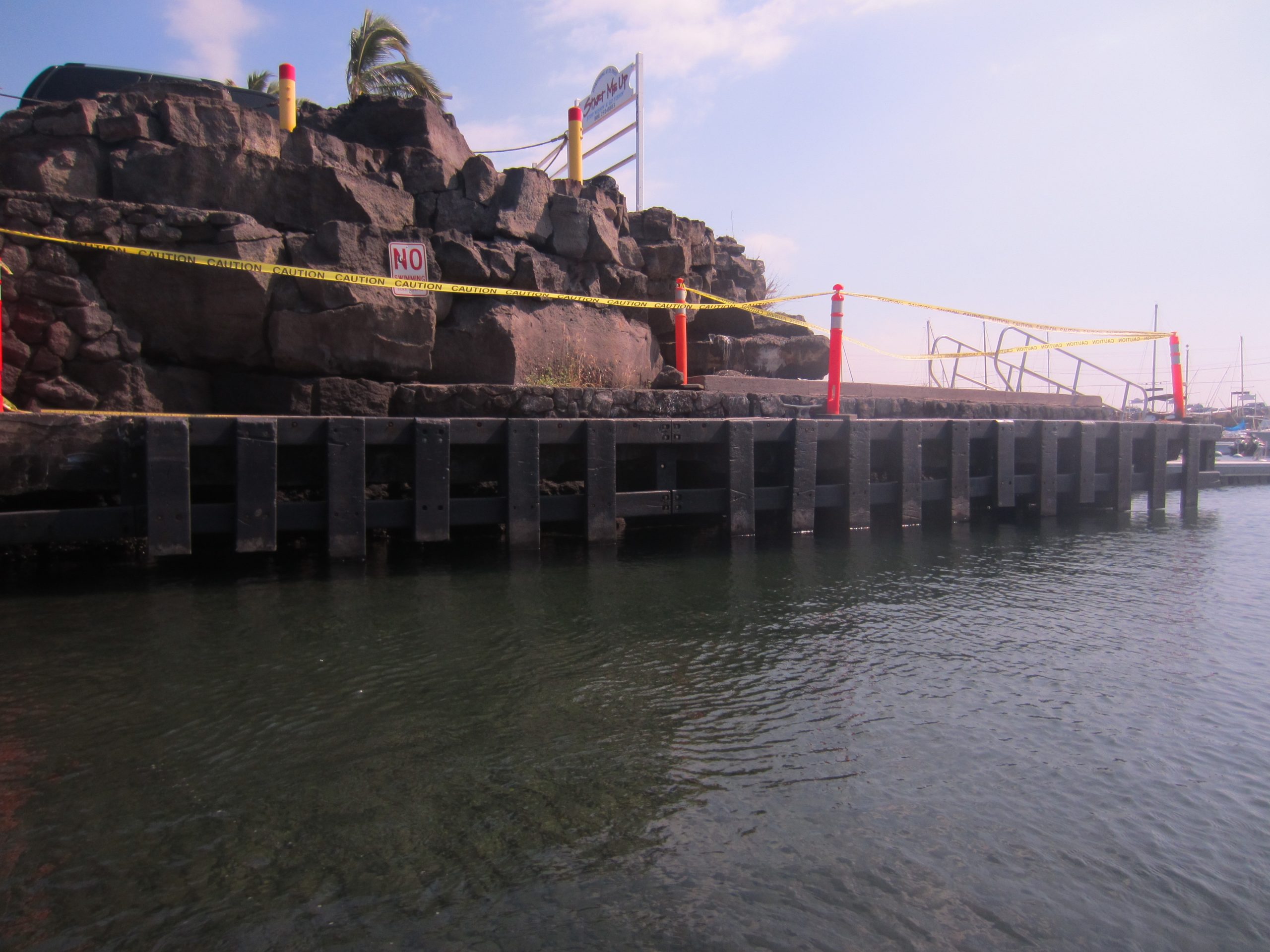
KAILUA-KONA, HAWAI‘I -- A capital improvement project for the Honokohau Small Boat Harbor mauka boat ramp is scheduled to begin on January 30, 2017, that will include the removal of both concrete loading docks and installation of new loading docks with new plastic lumber fendering and cleats. The project has been contracted to Isemoto Contracting and will cost $562,700.
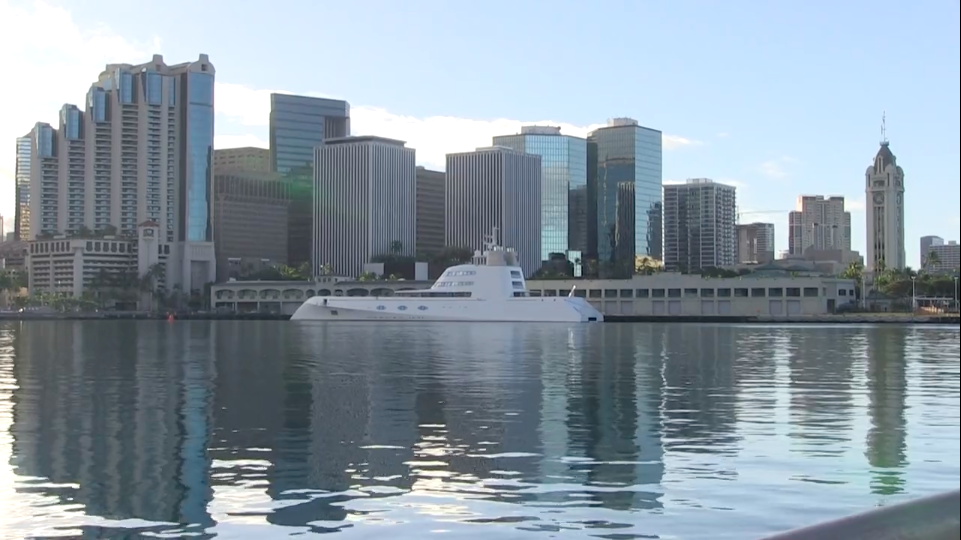
(Honolulu) -The Department of Land and Natural Resources will hold an informational meeting on sea level rise vulnerability and adaptation on Kaua‘i, Monday, January 09, 2017. This meeting is one of a series of public informational meetings being held state wide in an effort to educate people about the impacts of sea level rise and to gather comments and input about key issues and concerns regarding preparedness and adaptation. The first meeting was held on Oahu last June.
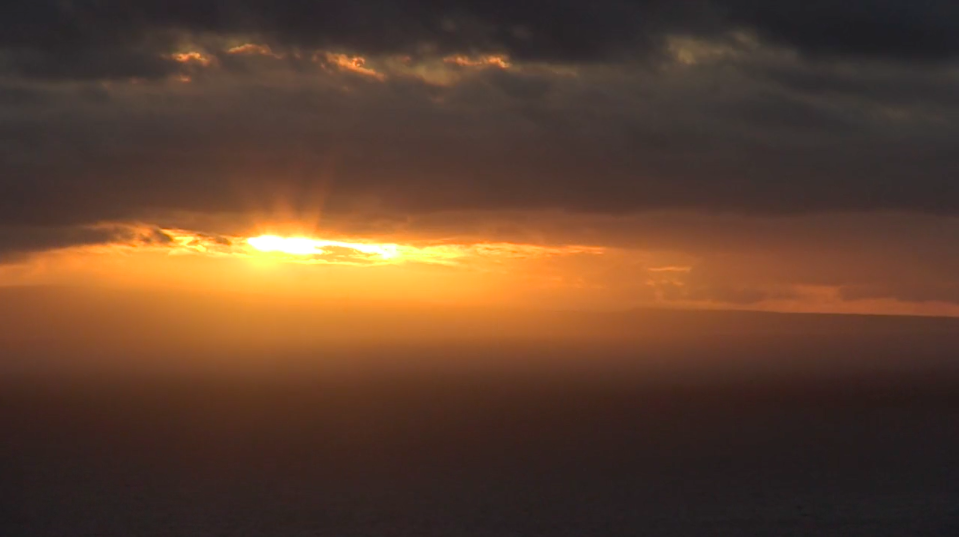
(Kaiwi State Scenic Shoreline, O‘ahu) – Beginning nearly two hours before the first sunrise of the New Year, hundreds of hikers of all ages, made the one-mile ascent to the Makapu‘u Lookout in the Kaiwi State Scenic Shoreline, a unit of the DLNR Division of State Parks.
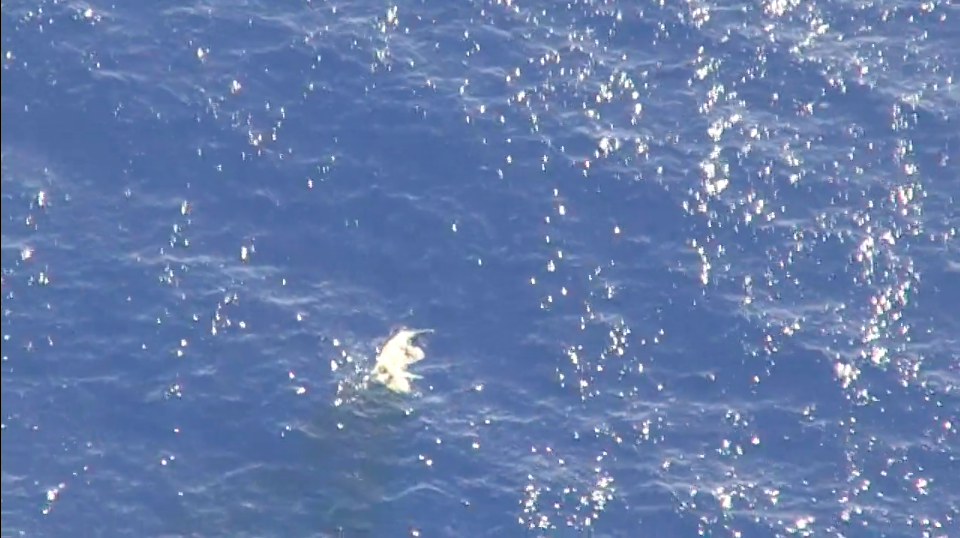
(Kahului, Maui) – Shoreline access at ‘Ahihi Kinau Natural Area Reserve on Maui has been closed due to a whale carcass on shore. Carcasses often attract sharks, thus the reason for the placement of beach warning signs by Maui County lifeguards and officers from the DLNR Division of Conservation and Resources Enforcement (DOCARE).
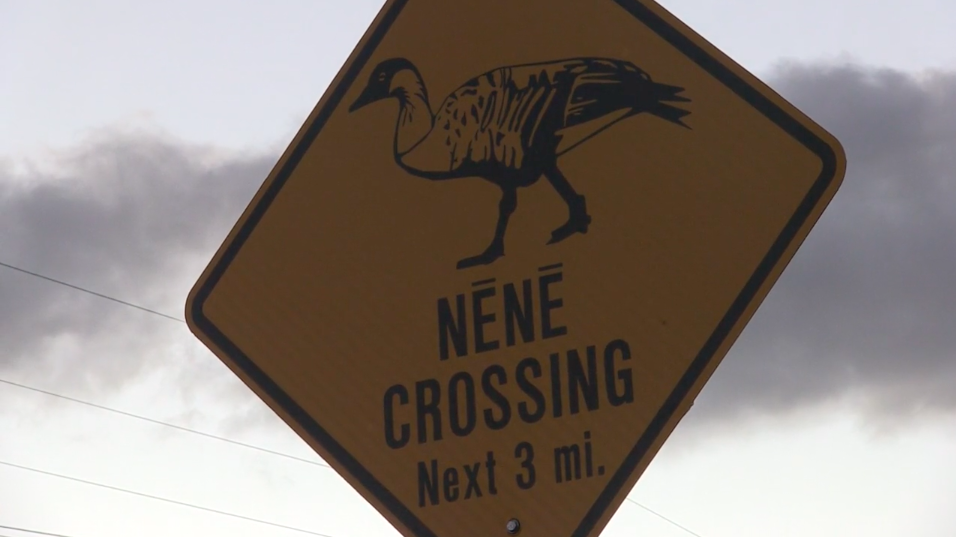
(Lihue) – In the final weeks of 2016, eight Nene (Hawaiian Goose) have been killed by vehicles along a two mile stretch of the Kaumuali‘i Highway in Kekaha. Nene are only found in Hawai‘i and are listed as endangered due to theirlow number, with an estimated 1,200 remaining on Kaua‘i. In the past two years 50 Nene have been struck and killed by cars across the roadways of Kaua‘i. Typically the majority of vehicle strikes occur in Hanalei and Kilauea, however the most recent strikes are occurring on the west side of the island.
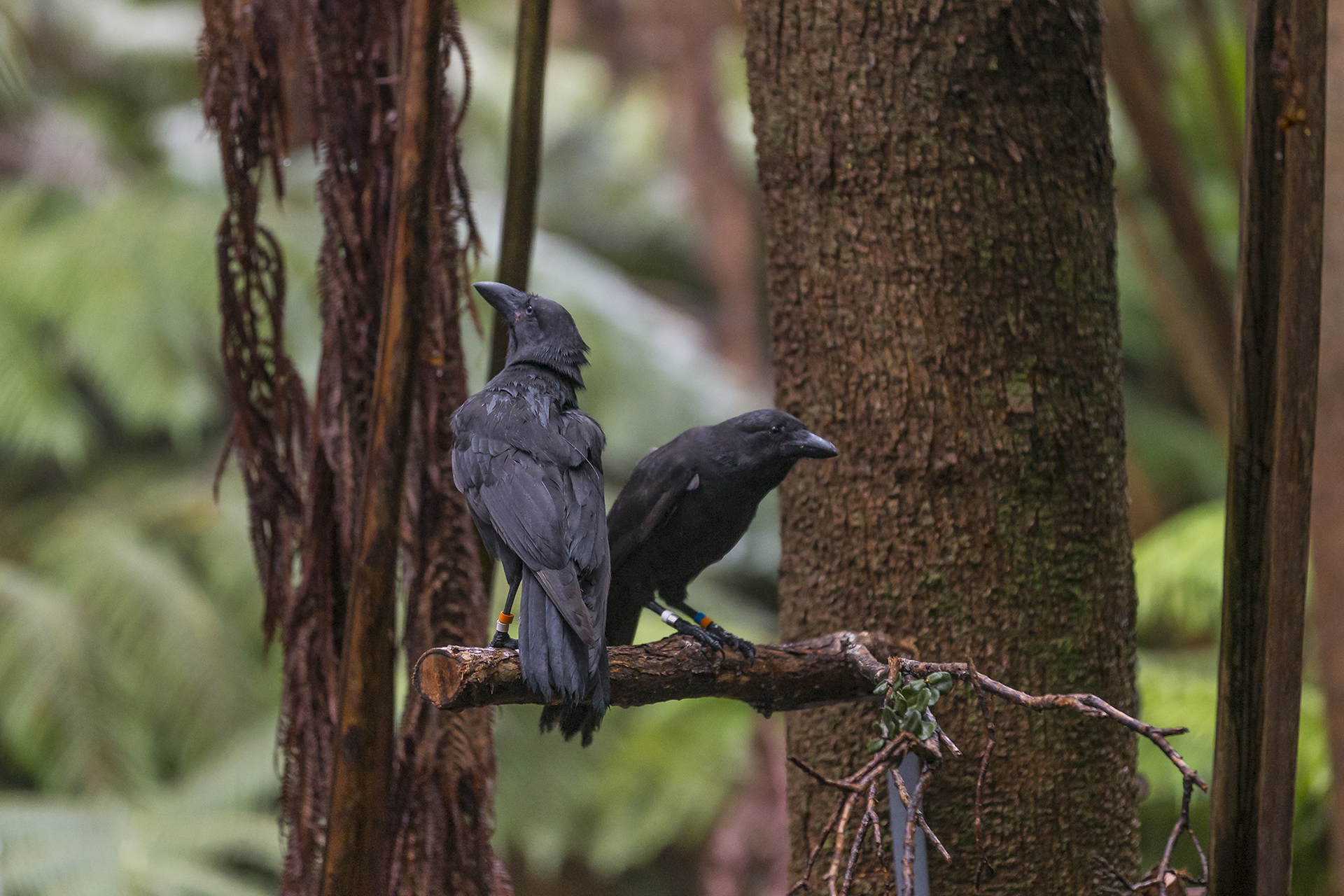
(Hilo, HI) - Two young ‘Alalā were moved back into an aviary at the State of Hawai‘i’s Pu‘u Maka‘ala Natural Area Reserve last week, as conservationists work to overcome challenges faced by the birds during their reintroduction. A group of five birds were released into the protected reserve on December 14. Although the birds had been observed doing well and eating from feeders placed in the area, three birds were found dead over the last week. The confirmed cause of the deaths is currently unknown but conservationists hope to gather information about what happened to the birds through necropsy examinations.
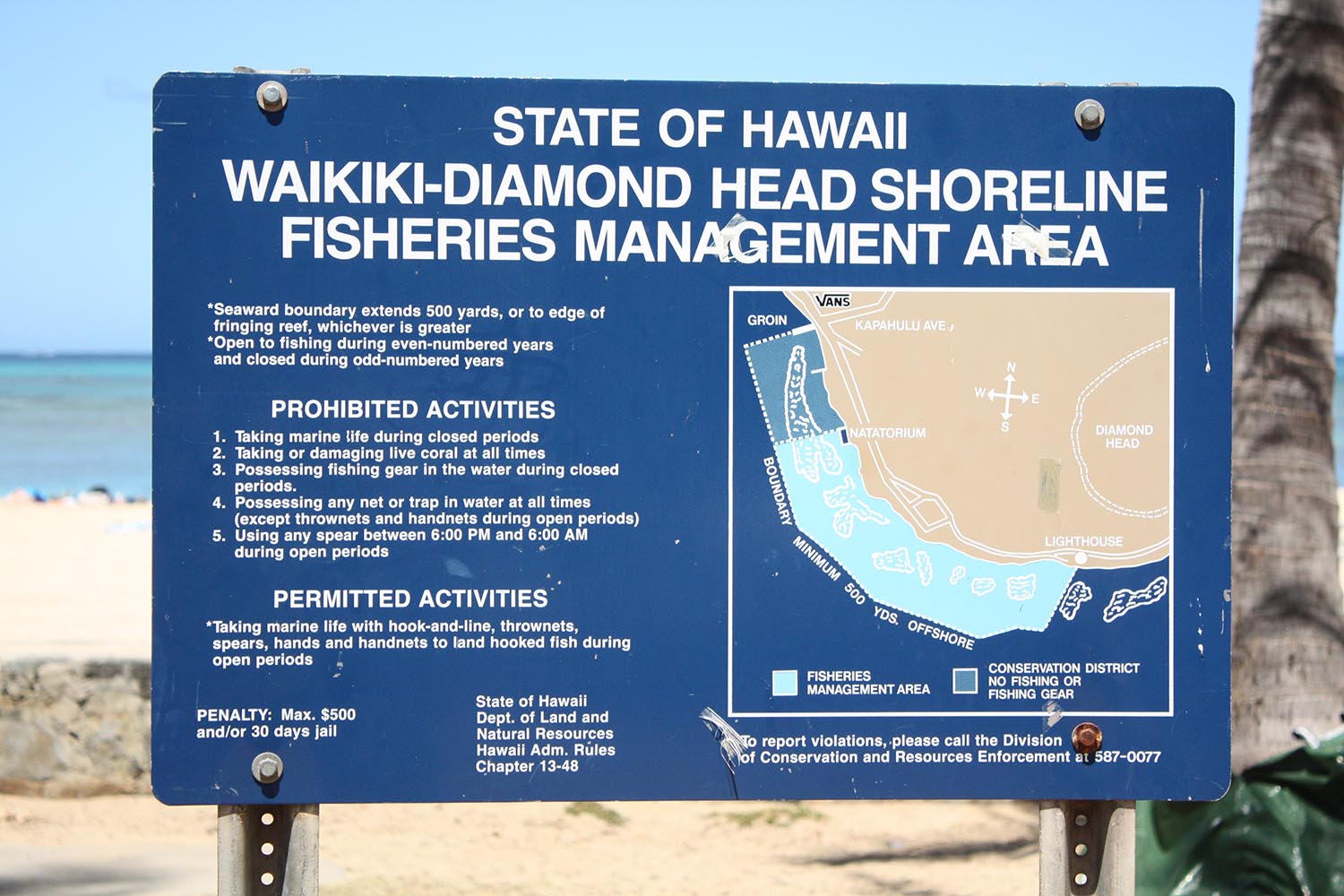
HONOLULU -- The Waikiki-Diamond Head Shoreline Fisheries Management Area (SFMA), O‘ahu, will be closed to fishing for one year, from Jan. 1 through Dec. 31, 2017.
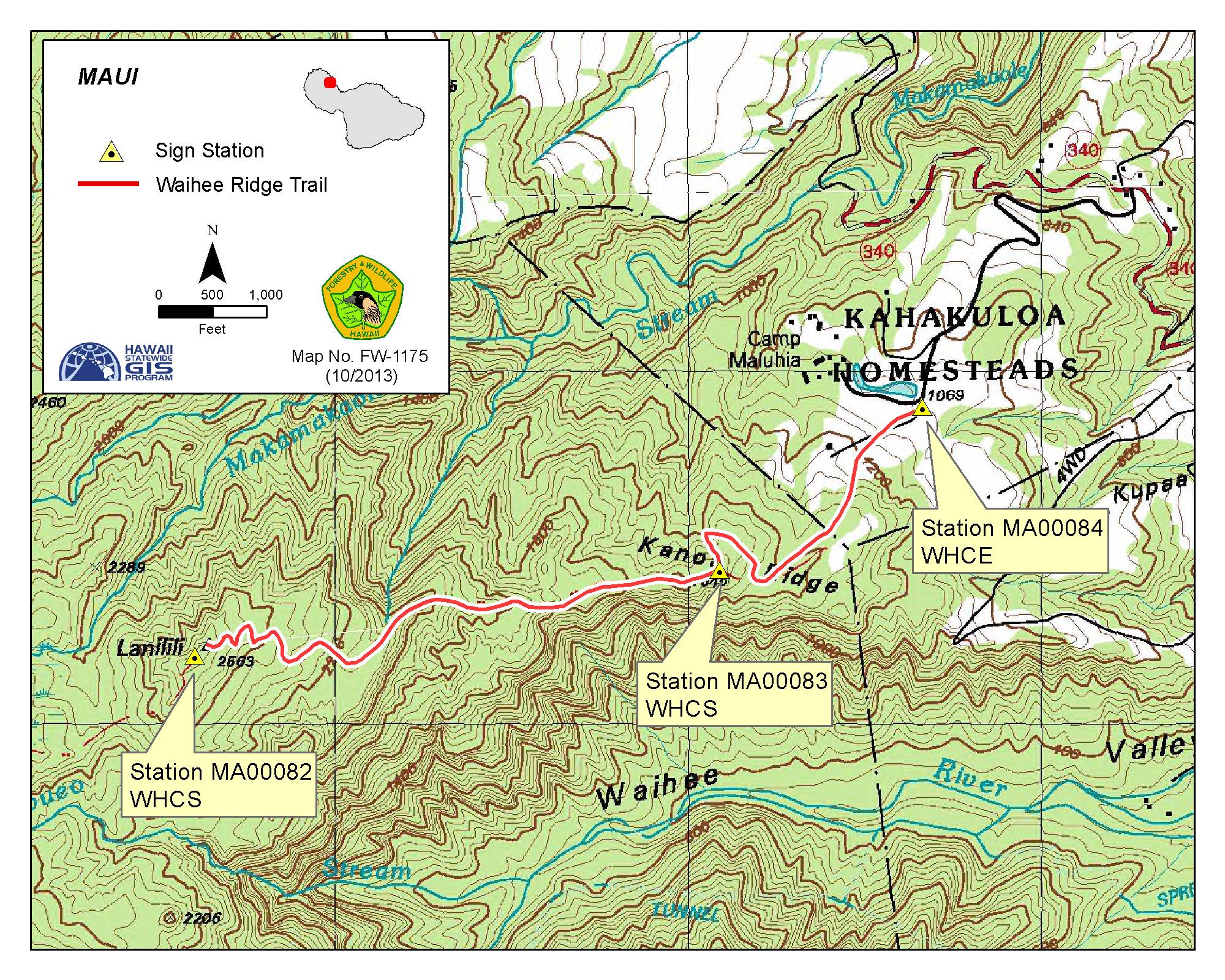
WAILUKU -- The popular 2.5 mile Waihe‘e ridge trail that climbs the windward slope of the west Maui mountains will be closed for approximately two months, starting in January, for trail improvements. The trail parcel is owned and operated by the Department of Land and Natural Resources (DLNR), Division of Forestry and Wildlife (DOFAW), who will close the trail from January 3, 2017 to February 28, 2017.
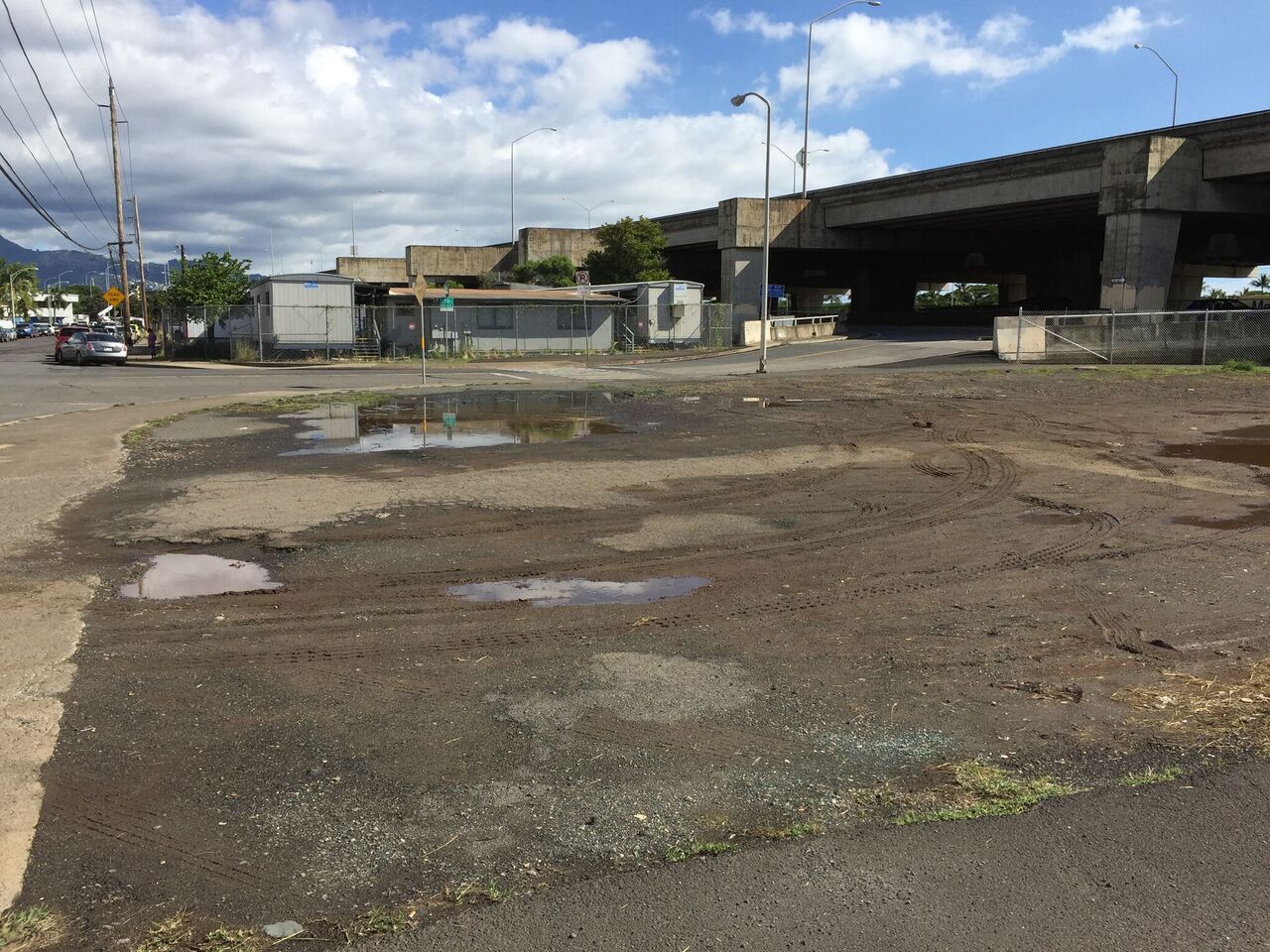
HONOLULU -- The Department of Land and Natural Resources (DLNR) Land Division, O‘ahu District Branch, will be conducting a public auction sale of a 20-year lease for State land at 10 a.m. on Tuesday, February 14, 2017 at the Kalanimoku state office building, 1151 Punchbowl St., in room 220. Pre-qualified bidders or authorized representatives must be present in person at the auction.