Strengthening Hawaii’s Biosecurity: PoEM Strategic Plan 2026-2030
Posted on Mar 11, 2026 in News, slider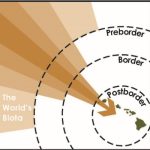
PoEM supports Hawaiʻi’s post-border biosecurity defenses through monitoring at airports and harbors statewide.
A new Ports of Entry Monitoring (PoEM) Strategic Plan for 2026–2030 has been released by the HISC and program partners and a new web page unveiled.
The PoEM program provides an added layer of monitoring for invasive species at Hawaiʻi’s major airports and harbors. Working collaboratively across state agencies, the University of Hawaiʻi, and island Invasive Species Committees, the program helps detect high-risk pests early before they become established.
The updated strategic plan reflects the program’s evolution from the original Māmalu Poepoe pilot effort into a coordinated statewide monitoring network. The new plan expands the program’s focus beyond airports to include major commercial harbors and outlines priorities for strengthening coordination, risk-based monitoring, standardized surveillance methods, and improved data sharing across agencies.
Together, these efforts strengthen Hawaiʻi’s ability to detect invasive species introductions early and respond before they become widespread.
Learn more:
Examples of PoEM Detection and Surveillance
Monitoring conducted through the program has supported several important detections and surveillance findings. Surveillance traps associated with PoEM have intercepted Aedes aegypti, a mosquito species currently restricted to Hawaiʻi Island and a known vector of dengue, chikungunya, Zika, and other arboviruses, at Kahului Airport in 2017 and again at Honolulu Harbor in 2021.
Ant monitoring at ports of entry has resulted in new state detections of ant species, and routine surveillance has identified locations where little fire ants were present along high-risk transport pathways.
PoEM panel traps have also supported early detection efforts for coconut rhinoceros beetle in the Kona area of Hawaiʻi Island. Surveillance for Africanized honey bees additionally provides monitoring for Varroa mite (Varroa destructor), a serious parasite of honey bees that is not present on all Hawaiian Islands.