Each year during Hawaiʻi Invasive Species Awareness Month, we pause to honor the people and partnerships making a real difference in protecting Hawaiʻi’s ecosystems, agriculture, and communities from invasive species. This year’s awardees embody the spirit of HISAM 2026: huli ka lima i lalo, turning hands to the land, whether through years of volunteer nights, innovative biosecurity leadership, or rapid-response work that goes far beyond the job description.
The 2026 HISAM Award recipients will be celebrated at a ceremony in Honolulu on May 29, 2026. We are proud to share their stories here.
Community Hero
Kimeona Kane
808 Cleanups / Waimānalo Neighborhood Board, Oʻahu
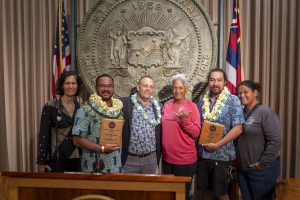
Governor Josh Green with Representative Marten,, Kimeona Kane, Joe Watt & ʻohana.
Kimeona Kane has built something rare in community-based invasive species response: genuine trust between community members, partner organizations, and government agencies. As Chair of the Waimānalo Neighborhood Board and a leader with 808 Cleanups, Kimeona has helped organize sustained community response efforts around coqui frogs, little fire ants, Coconut Rhinoceros Beetle, and other invasive species concerns affecting Waimānalo and neighboring communities.
What sets Kimeona apart is the integrity and consistency he brings to this work. He has served as a trusted bridge between community concerns and state response efforts, working collaboratively with the Hawaiʻi Department of Agriculture and Biosecurity (DAB), Department of Land and Natural Resources (DLNR), Oʻahu Invasive Species Committee (OISC), and community members with professionalism, transparency, and aloha. He has helped strengthen trust and communication around invasive species response efforts in Waimānalo by advocating for community concerns and encouraging accountability across all partners involved in the work. This award builds on his recognition as the 2024 Oʻahu MVP and honors his continued leadership and service.
Greatest Hit
Wendell Vincent & the Hawaiʻi Island HDOT Crew
Hawaiʻi Department of Transportation, Hawaiʻi Island
When Coconut Rhinoceros Beetle was detected near the Ellison Onizuka Kona International Airport at Keahole on Hawaiʻi, the response needed more than just the expertise of invasive species specialists. It needed heavy equipment, operators, and crews willing to step in quickly to move and process massive piles of high-risk breeding material. Wendell Vincent and the Hawaiʻi Island HDOT Crew did exactly that, stepping far beyond their normal duties to support the CRB response at Kona Airport and within the Keāhole Agricultural Park area.
Beginning in August 2025, their crew provided critical equipment, crew time, and operational support to survey, move, and rapidly suppress infested green waste piles before larvae could spread further across the island. Their assistance ensured response operations were not delayed or stalled at a pivotal stage of the Hawaiʻi Island CRB response. Over the course of operations, they helped process and remove hundreds of cubic yards of high-risk breeding material. Their willingness to jump in, work hard, and collaborate across agencies exemplifies the spirit that makes community-based invasive species response possible.
Outstanding Business Leader
Alex Redeker / Biosecurity Solutions Hawaiʻi
Biosecurity Solutions Hawaiʻi, Maui
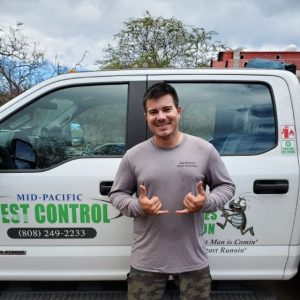
Alex Redeker, Biosecurity Solutions Hawaii
Private industry has a critical role to play in protecting Hawaiʻi from invasive species, and through their commitment, and Alex Redeker and Biosecurity Solutions Hawaiʻi are a model for what that leadership looks like. Specializing in commodity fumigation and mitigation for the safe movement of goods, they have helped expand Hawaiʻi’s biosecurity response capacity during a critical period of Coconut Rhinoceros Beetle response efforts.
During CRB incursions on Hawaiʻi Island, Alex repeatedly exceeded rapid-response expectations, donating time and operational resources to quickly treat high-risk breeding sites. At Kona Airport, his team coordinated a complex fumigation of a massive green waste pile within days, helping demonstrate a practical, cost-effective tool for suppressing beetle spread before additional adults could emerge.
In November 2023, following the discovery of 17 live CRB larvae in Kīhei, Maui, Alex Redeker helped rapidly treat infested materials as part of the interagency response effort. The timely actions of the responding groups and agencies helped prevent further spread of CRB on Maui and demonstrated the importance of rapid collaboration between private industry and government partners during invasive species emergencies.
Alex Redeker and Biosecurity Solutions Hawaiʻi’s work underscores the vital role the private sector plays in strengthening Hawaiʻi’s prevention and response systems.
Island MVPs
Recognizing Top Contributors from Each County
Oʻahu Island MVP
Taylor Engle
Waimānalo Community Volunteer
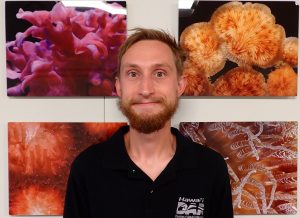
Over the past year, Taylor contributed approximately 75 nights of volunteer fieldwork and 19 additional workdays supporting coqui control in Waimānalo, helping remove an estimated 800 coqui frogs. He cleared, flagged, and mapped trails to expand access for other volunteers and guided the control strategy through independent field observations. His humility and reliability have made him a trusted backbone of the volunteer network. Taylor’s consistent willingness to show up night after night reflects the kind of sustained community commitment that makes long-term invasive species response efforts possible. His work has helped strengthen both the effectiveness and morale of the broader volunteer efforts for coqui control in Waimānalo.
Kauaʻi Island MVP
Serina Marchi & Seascapes Nursery
Seascapes Nursery, Kauaʻi

A family-owned nursery operating on Kauaʻi for more than 30 years, Seascapes Nursery has long demonstrated leadership in invasive species prevention within Hawaiʻi’s horticultural industry. In 2016, Seascapes became one of the first nurseries endorsed through the Kauaʻi Invasive Species Committee’s Pono Endorsement Program and went beyond minimum requirements by voluntarily discontinuing the sale of additional high-risk plant species to help prevent invasive spread.
Following a more recent little fire ant detection within nursery stock, Seascapes again demonstrated the leadership that led to their selection as this year’s Kauaʻi Island MVP by voluntarily halting plant sales, implementing rigorous quarantine and treatment protocols, and proactively notifying customers and large-scale clients. Their transparency, strong partnership with KISC, and commitment to responsible action helped strengthen public trust and establish a model for pono invasive species response within Hawaiʻi’s horticultural industry.
Hawaiʻi Island MVP
Ron Aronson
Makalei Estates Community Leader, Hawaiʻi Island
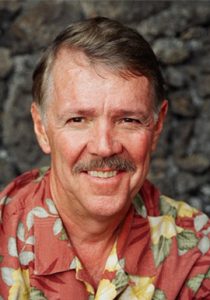
Serving as the Big Island Invasive Species Committee (BIISC) primary community contact within Makalei Estates, Ron coordinated outreach and surveys across high-risk CRB areas while maintaining regular communication between BIISC staff and residents. His efforts helped build trust within the community, coordinate access for surveys and K-9 detection work, and directly contributed to the discovery of BIISC’s first major CRB breeding site outside of Keāhole Agricultural Park. Ron also helped organize neighborhood mitigation efforts, including support for roll-off bins to assist green waste management and CRB suppression. His leadership exemplifies the critical role community leaders and neighborhood partnerships play in improving invasive species response and control.
Maui County MVP
Pūlama Lānaʻi – Conservation
Pūlama Lānaʻi, Lānaʻi
In 2025, Pūlama Lānaʻi‘s voluntary biosecurity program intercepted Coconut Rhinoceros Beetle larvae within potted plant shipments on two separate occasions, helping prevent potential establishment of this destructive pest on Lānaʻi and triggering broader interagency response efforts statewide. Their swift quarantine and destruction of the shipments helped inform ongoing discussions around invasive species pathways and prevention strategies across Hawaiʻi. For more than 12 years, Pūlama Lānaʻi’s voluntary biosecurity program has provided a critical extra layer of protection supplementing state and federal prevention efforts. Their work has contributed to the detection and prevention of Coconut Rhinoceros Beetle, little fire ant, coqui frogs, and other invasive pests before establishment on Lānaʻi, demonstrating the power of proactive biosecurity leadership in protecting Hawaiʻi from invasive species.
Mahalo to our 2026 awardees. These individuals, businesses, and teams remind us that protecting Hawaiʻi is a shared kuleana, and that when we work together, even the biggest challenges become possible to overcome.
Learn more about HISAM 2026 webinars, events, and volunteer opportunities at dlnr.hawaii.gov/hisc/hisam2026.