Year of Our Coastal Kuleana
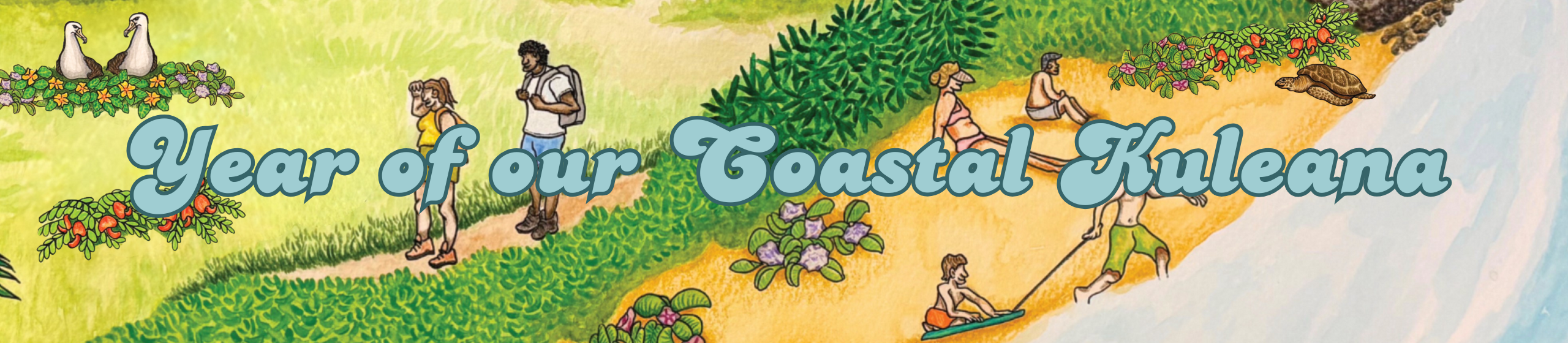
2026 is Makahiki Kuleana Kahakai: the Year of Our Coastal Kuleana. We’re celebrating the richness of our coastal ecosystems, the ways that coasts connect us as people, and our role in helping to care for our coasts.
What kuleana do we have to our coasts? As island communities, we are stewards of our shores, helping ensure that our coastlines are clean, that we recreate responsibly, and that our coastal ecosystems and species can be sustained into the future. Explore below to find coastal volunteer opportunities or ways in which you can help care for our coasts through everyday practice.
2026 Year of Our Coastal Kuleana is brought to you by the Department of Land and Natural Resources, divisions of Forestry & Wildlife, Aquatic Resources, State Parks, Boating and Ocean Recreation, and Climate Change Commission, in collaboration with partners including 808 Cleanups, ʻĀina Hoʻola Initiative, the Big Island Invasive Species Committee, Bishop Museum, City & County of Honolulu, Hawaiʻi Audubon Society, Hawaiʻi State Library System, Hawaiʻi Wildlife Center, Hui o Koʻolaupoko, Ka Ipu Makani, the Kauaʻi Endangered Seabird Recovery Project, Kure Atoll Conservancy, Livable Maunalua Hui, Love the Sea, Mālama Maunalua, Manu ʻIwa o ka Malanai, Maui Nui Seabird Recovery Project, NOAA Pacific Islands Ocean Exploration Center, Nene.org, Pacific Birds Habitat Joint Venture, Sustainable Coastlines, and the University of Hawaiʻi Sea Grant.
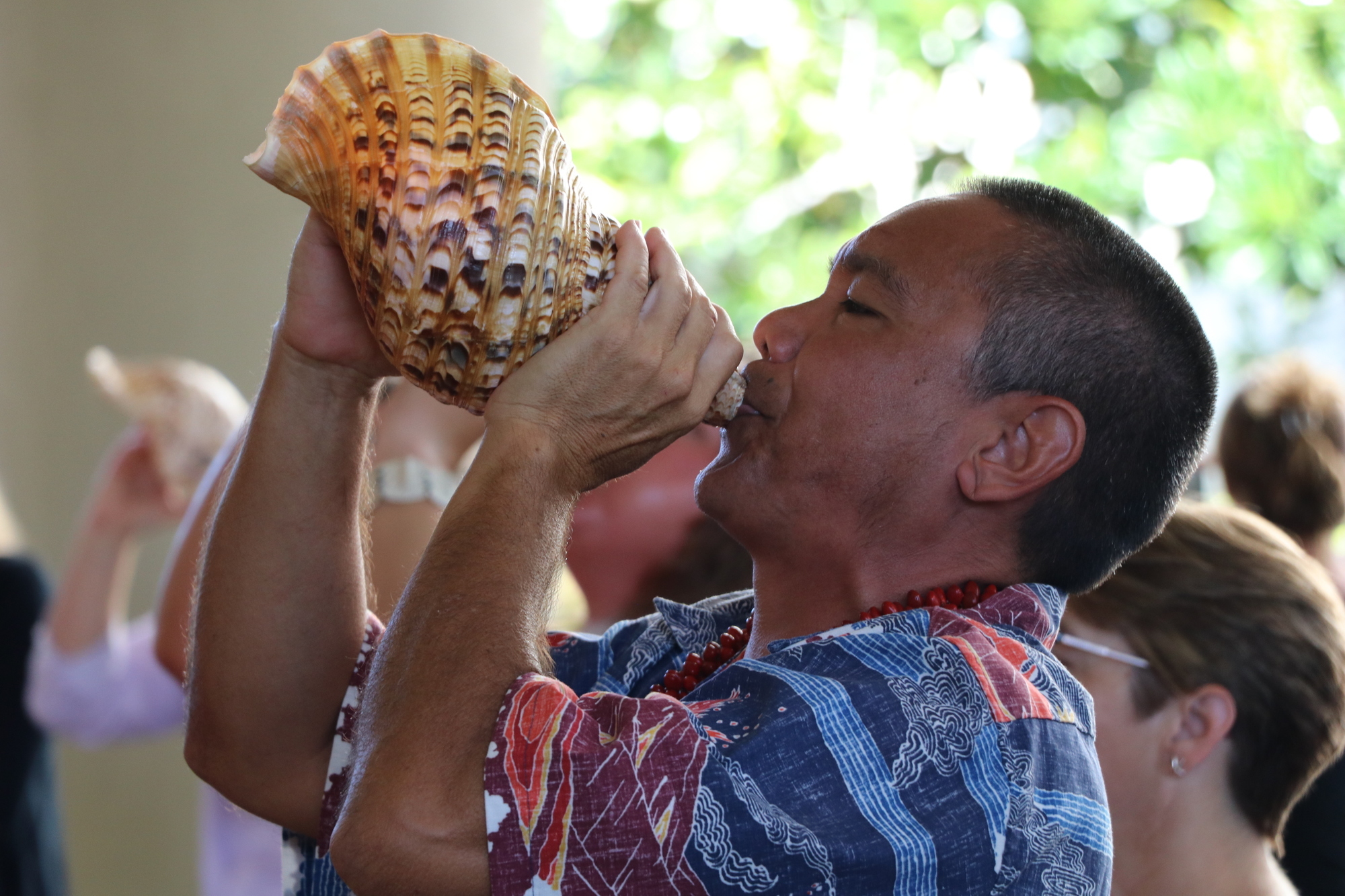
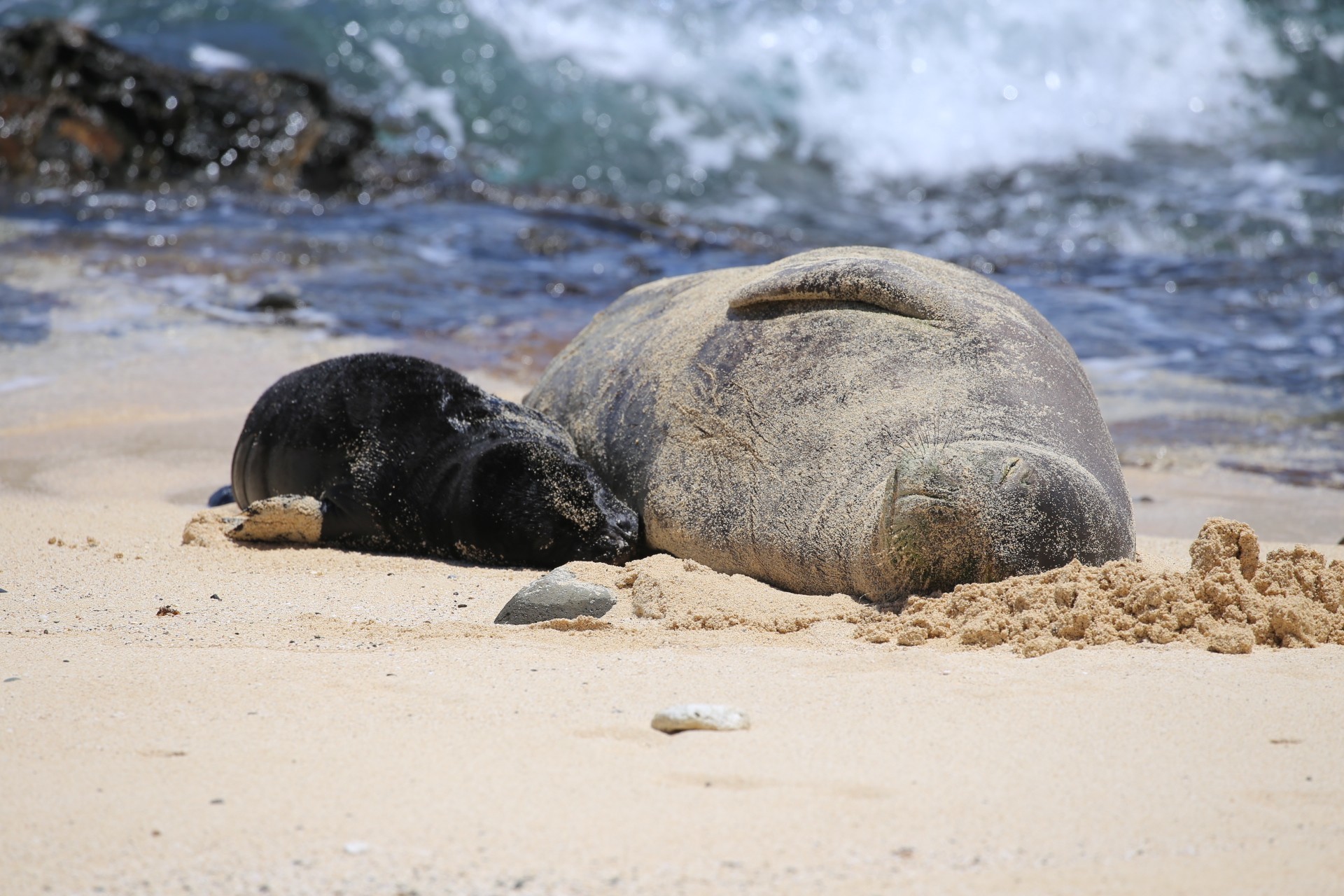
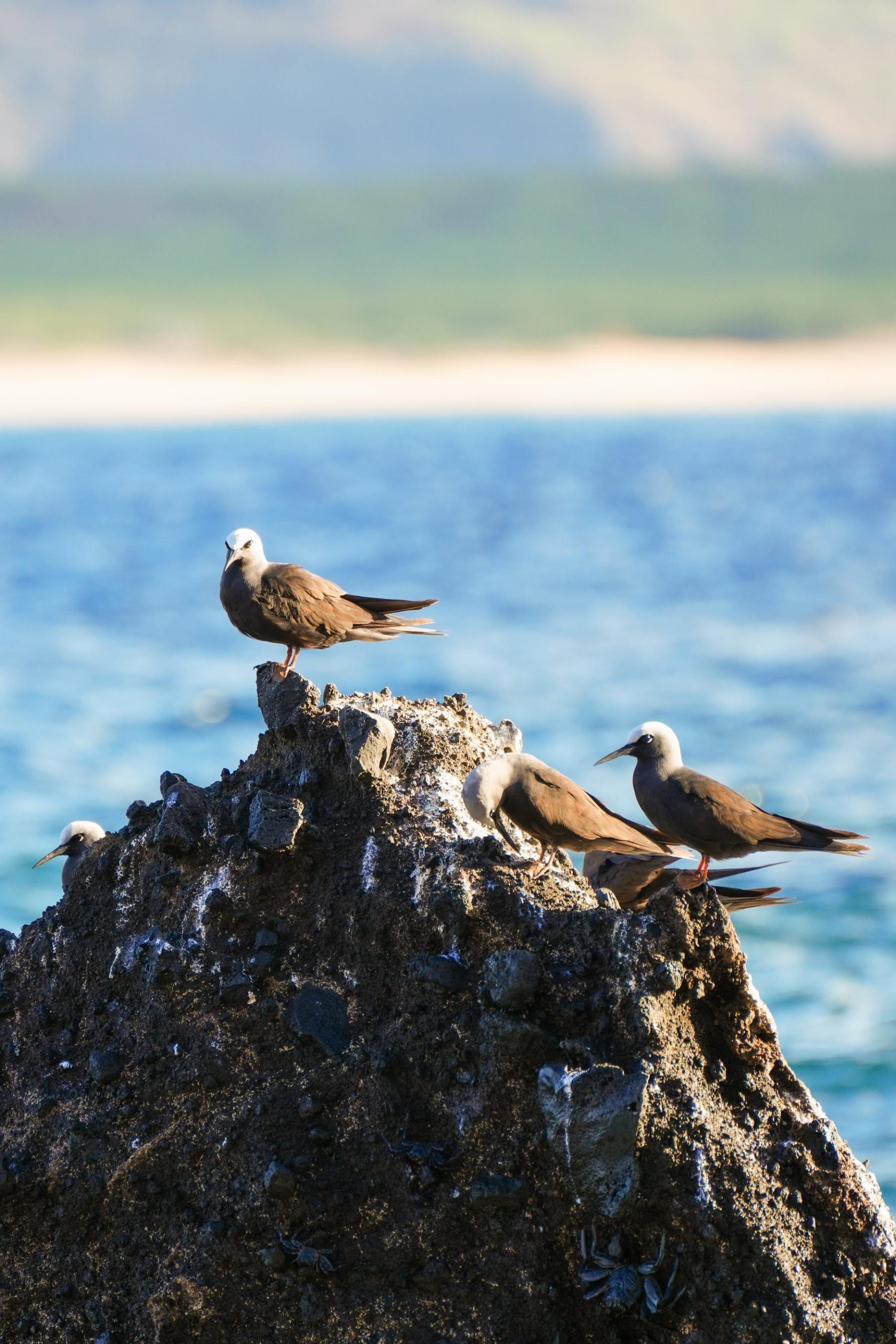
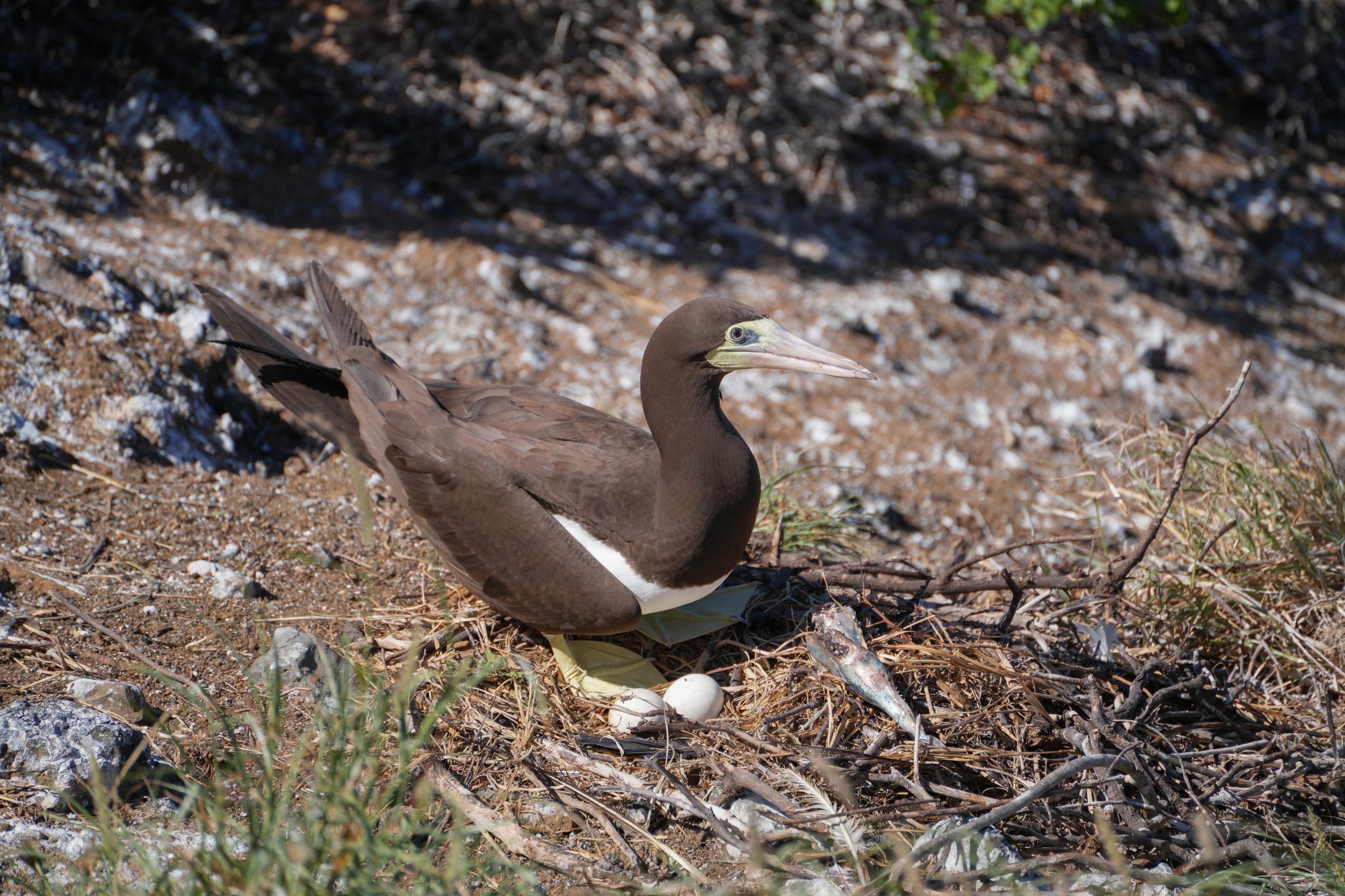
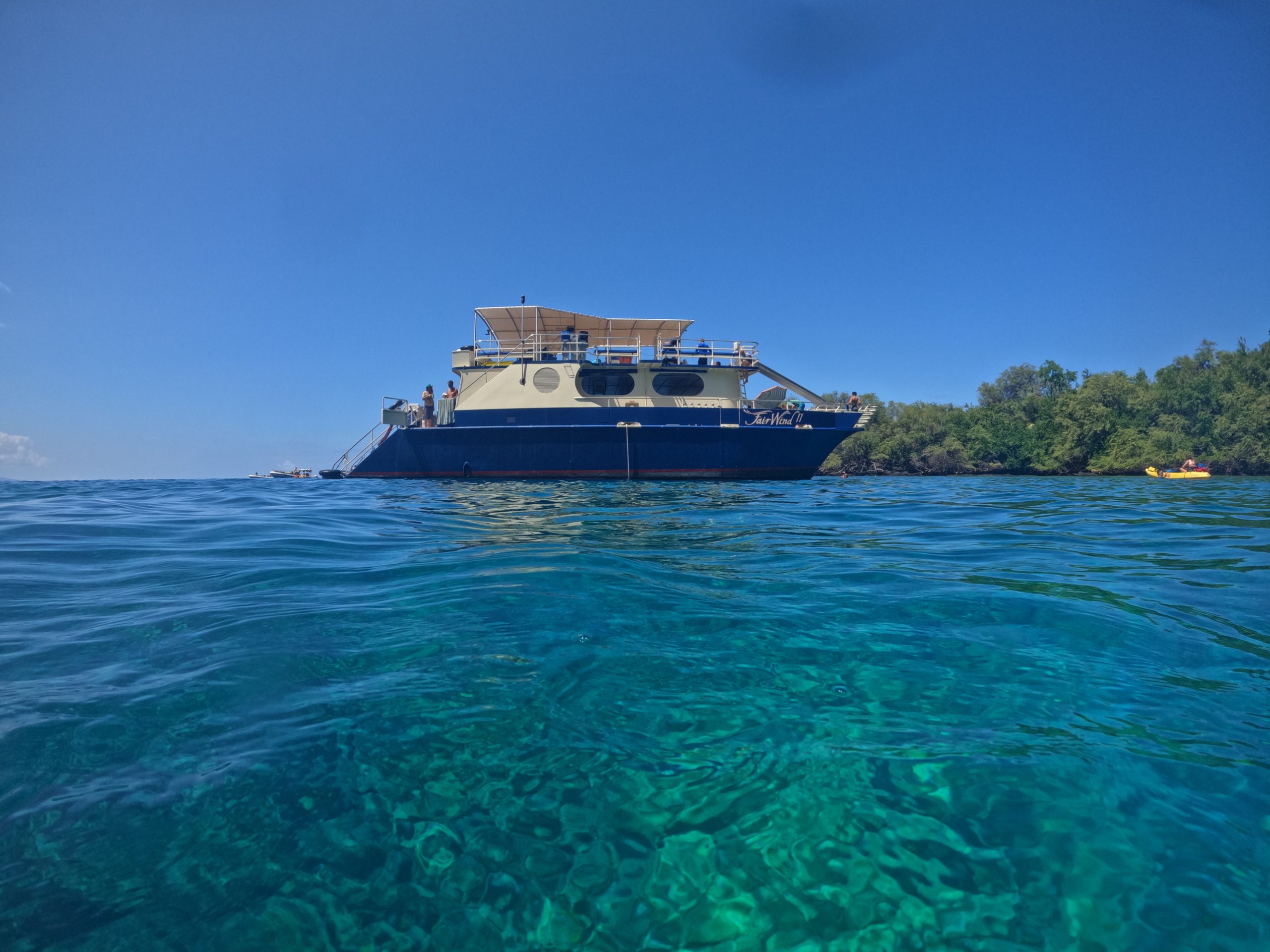
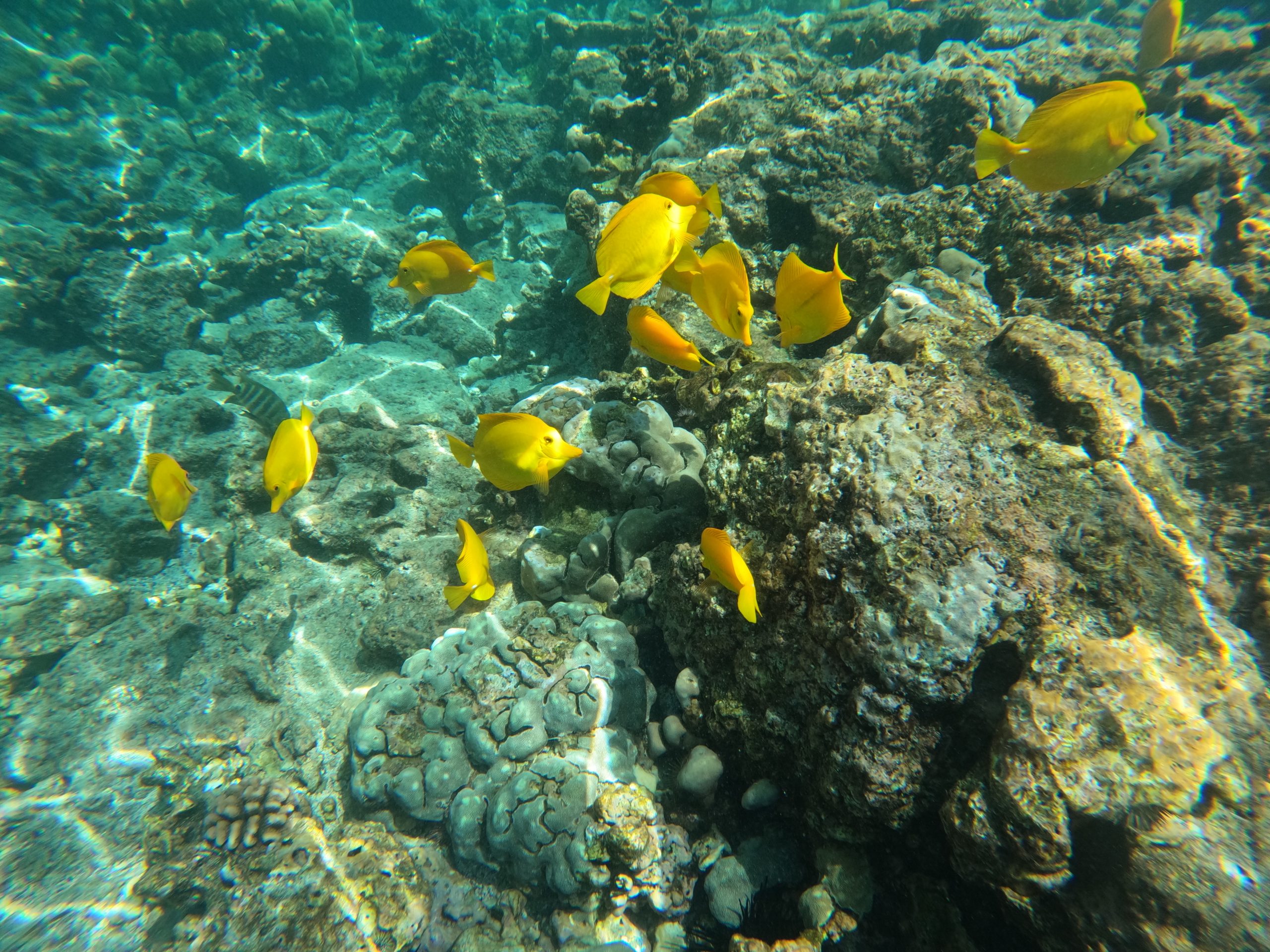
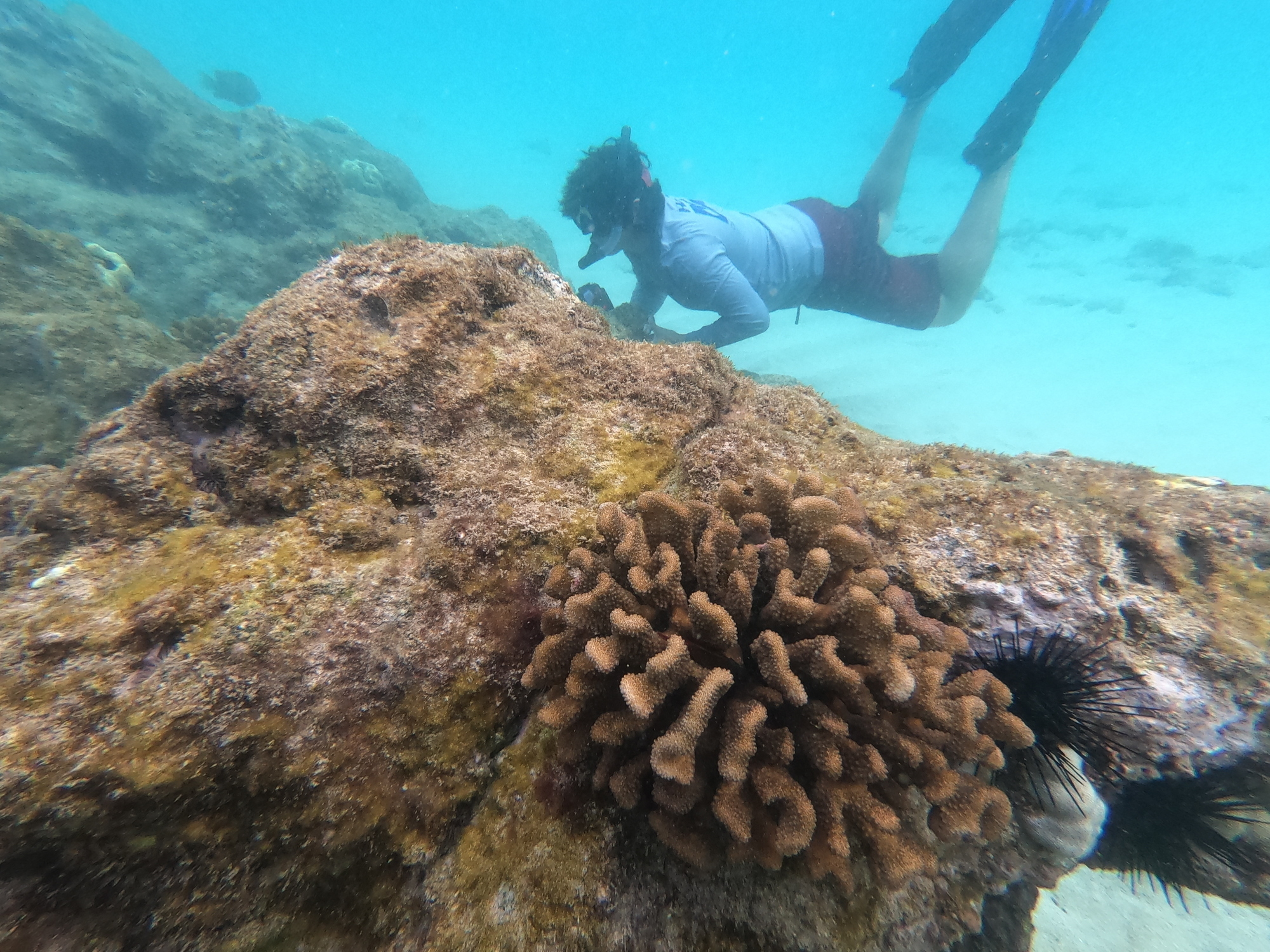
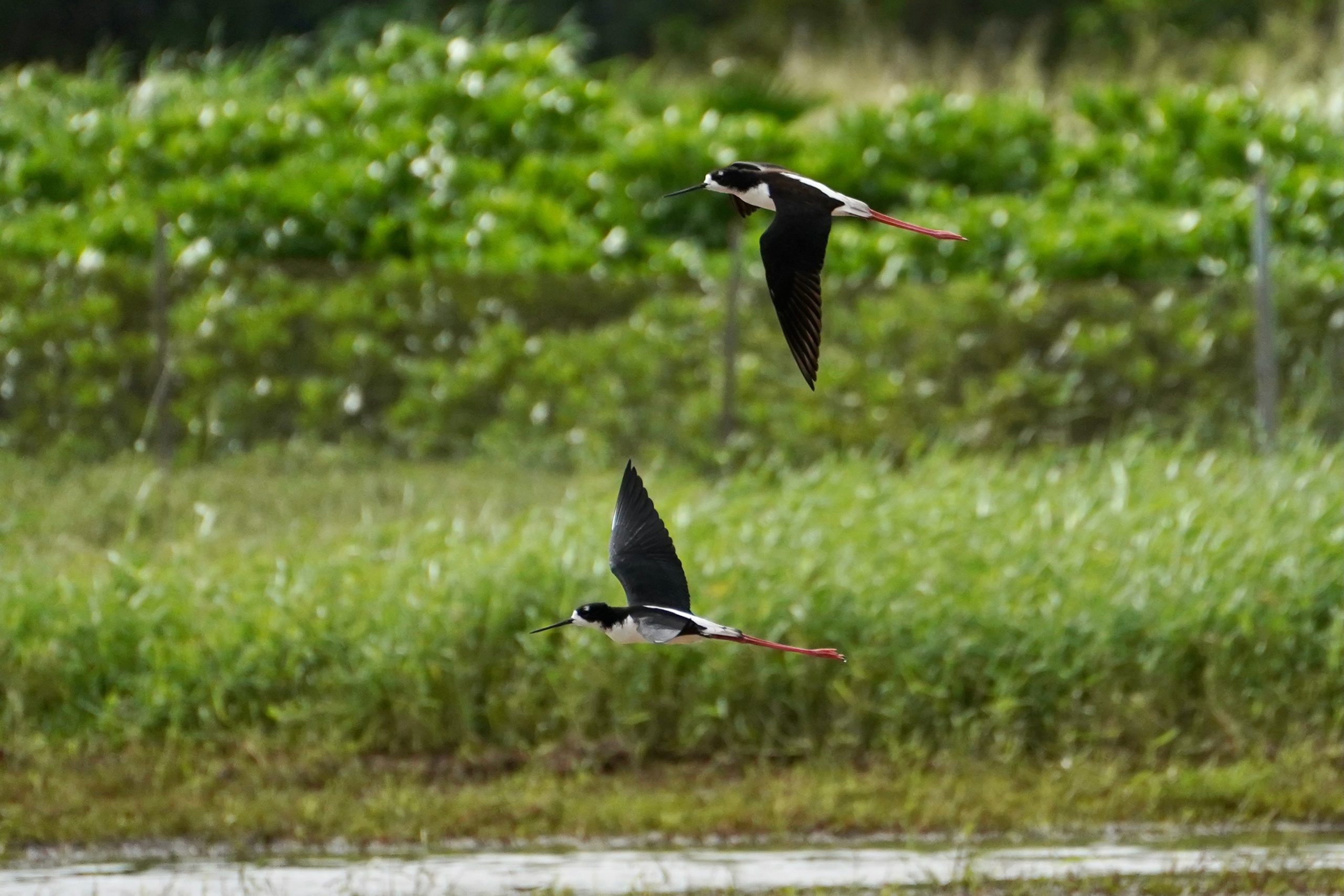
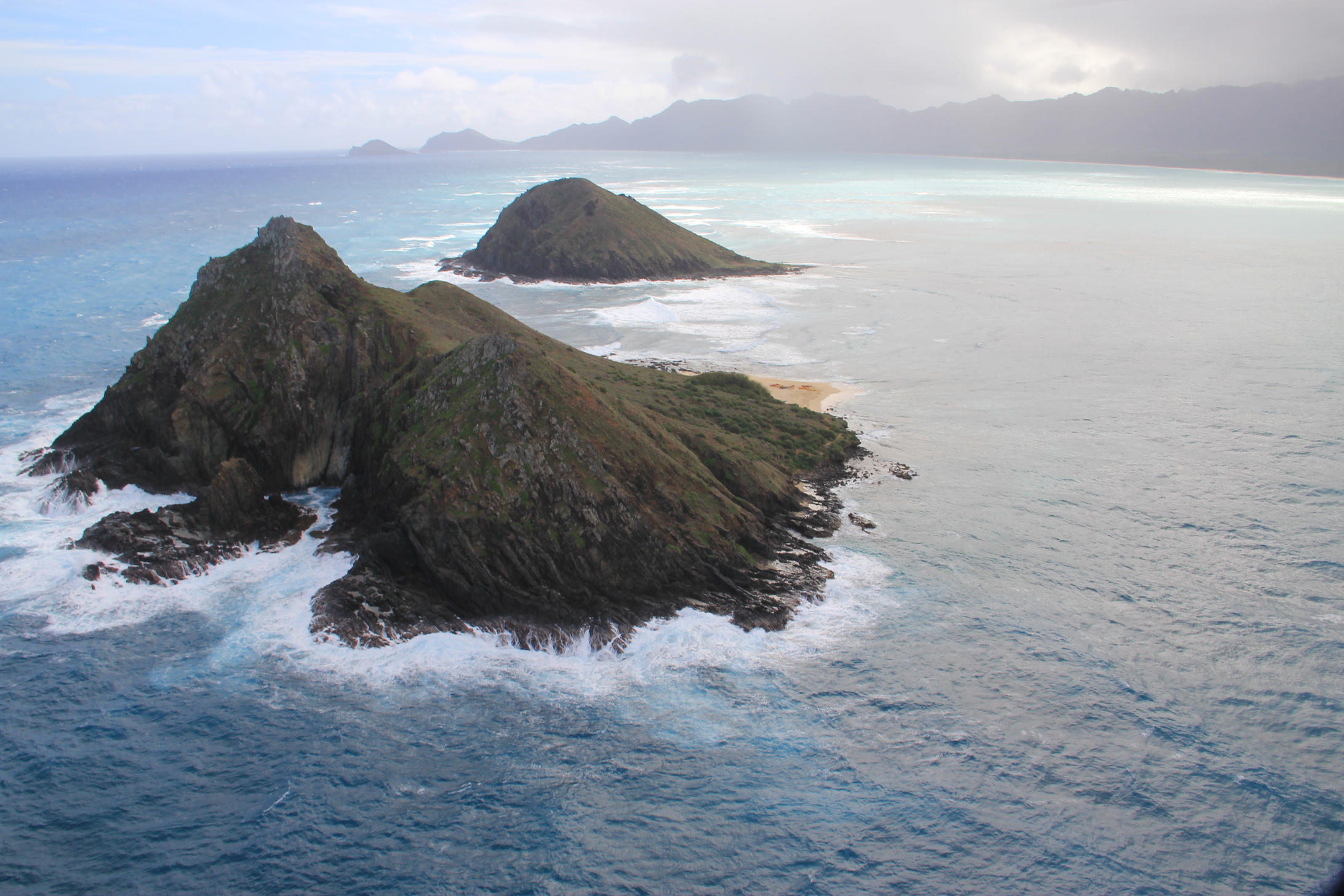
How will you celebrate the Year of Our Coastal Kuleana?
Click any of the category buttons below to jump to your celebration of choice.
Learn about Hawaiʻi’s coastal resources
Hawaiʻi has over 1,000 miles of tidal coastline with an incredible variety of habitats, including wetlands, dunes, beaches, tidepools, nearshore ocean waters, coral reefs, and offshore islets. These habitats are rich with life, including coastal plants, limu, coastal birds, insects, fish, and coral. Learn about coastal species and ecosystems with the links below.
Meet Hawaiʻi’s Coastal AnimalsVisiting the coast means more when you can identify the species around you. DLNR provides species profiles to help you learn about habitat, diet, and more, alongside photos and multimedia of our native species. These species profiles are great for student research or for lifelong learners. 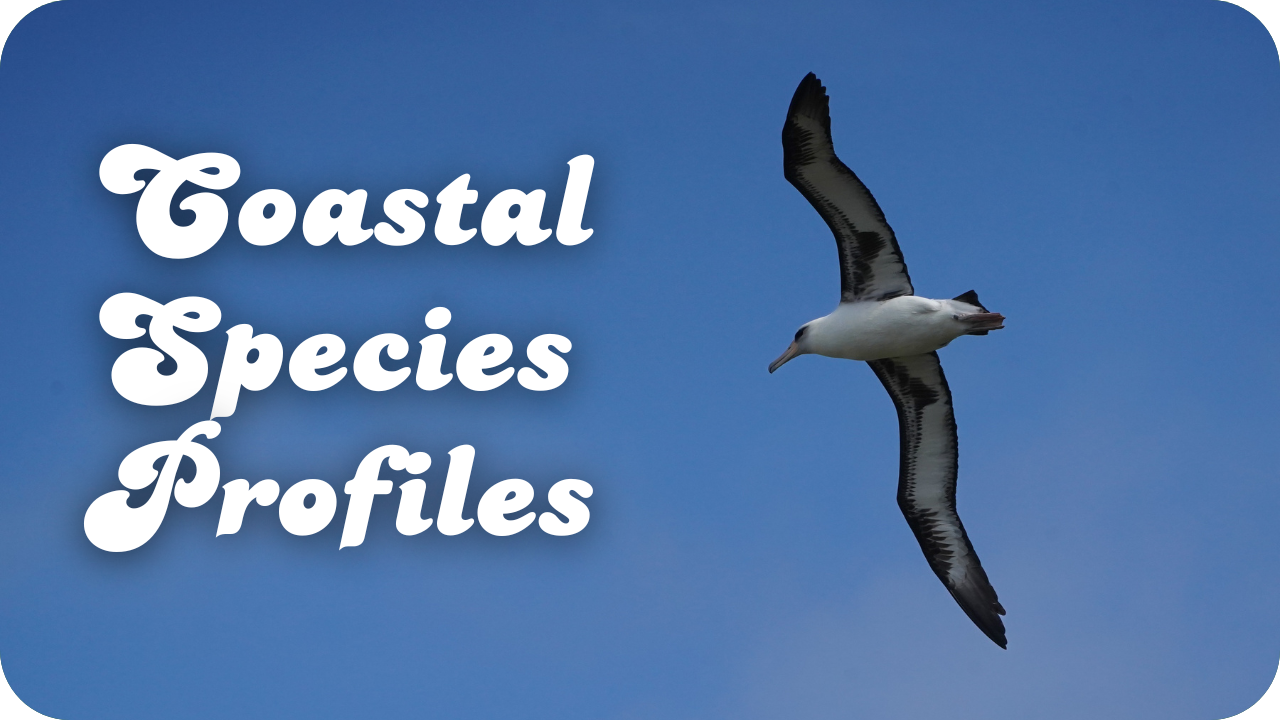 |
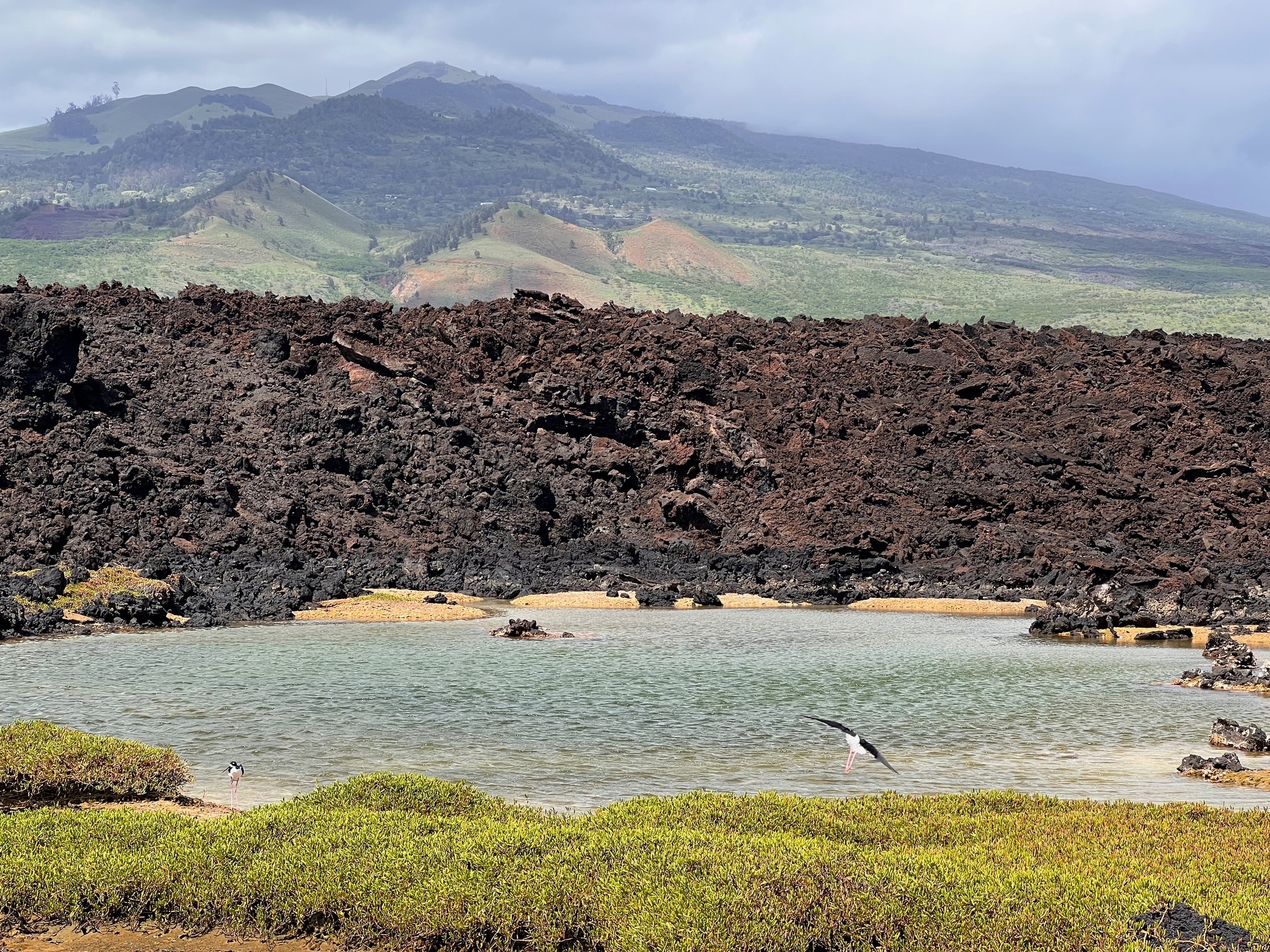
Hawaiʻi’s WetlandsHawaiʻi’s wetlands serve important hydrological functions and provide habitat to many native species. Learn more from the StoryMap below. 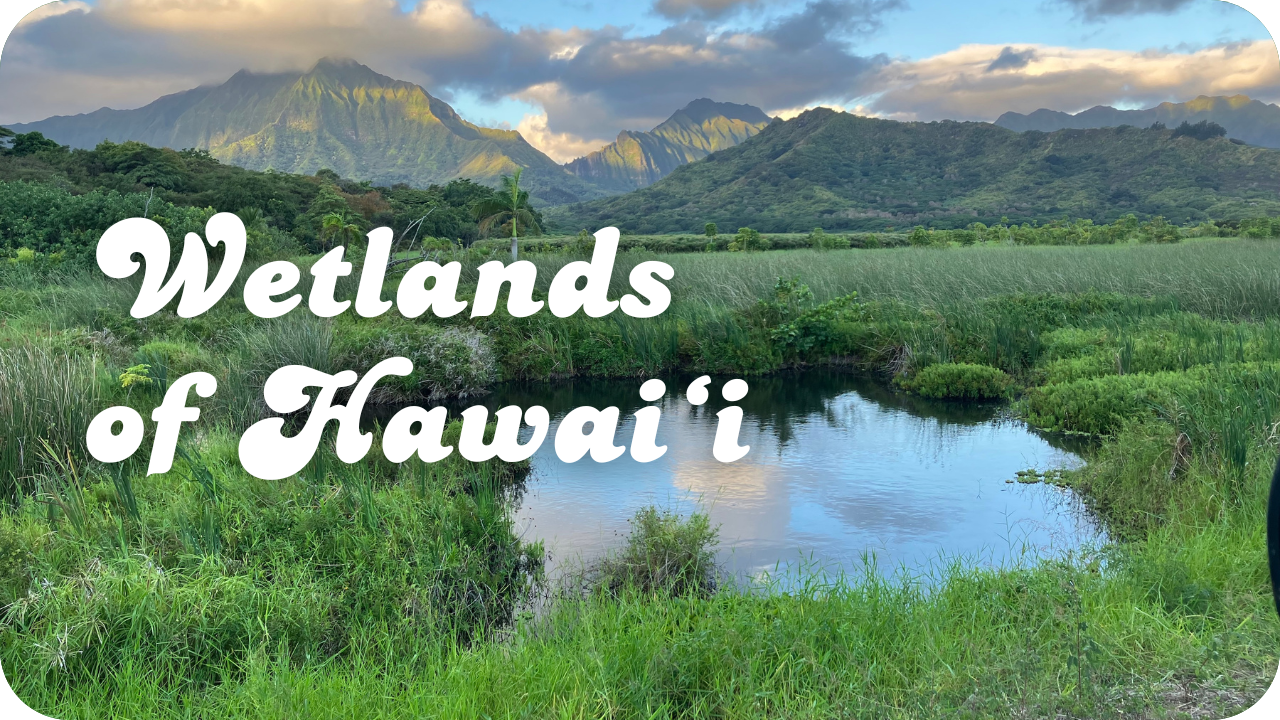 |
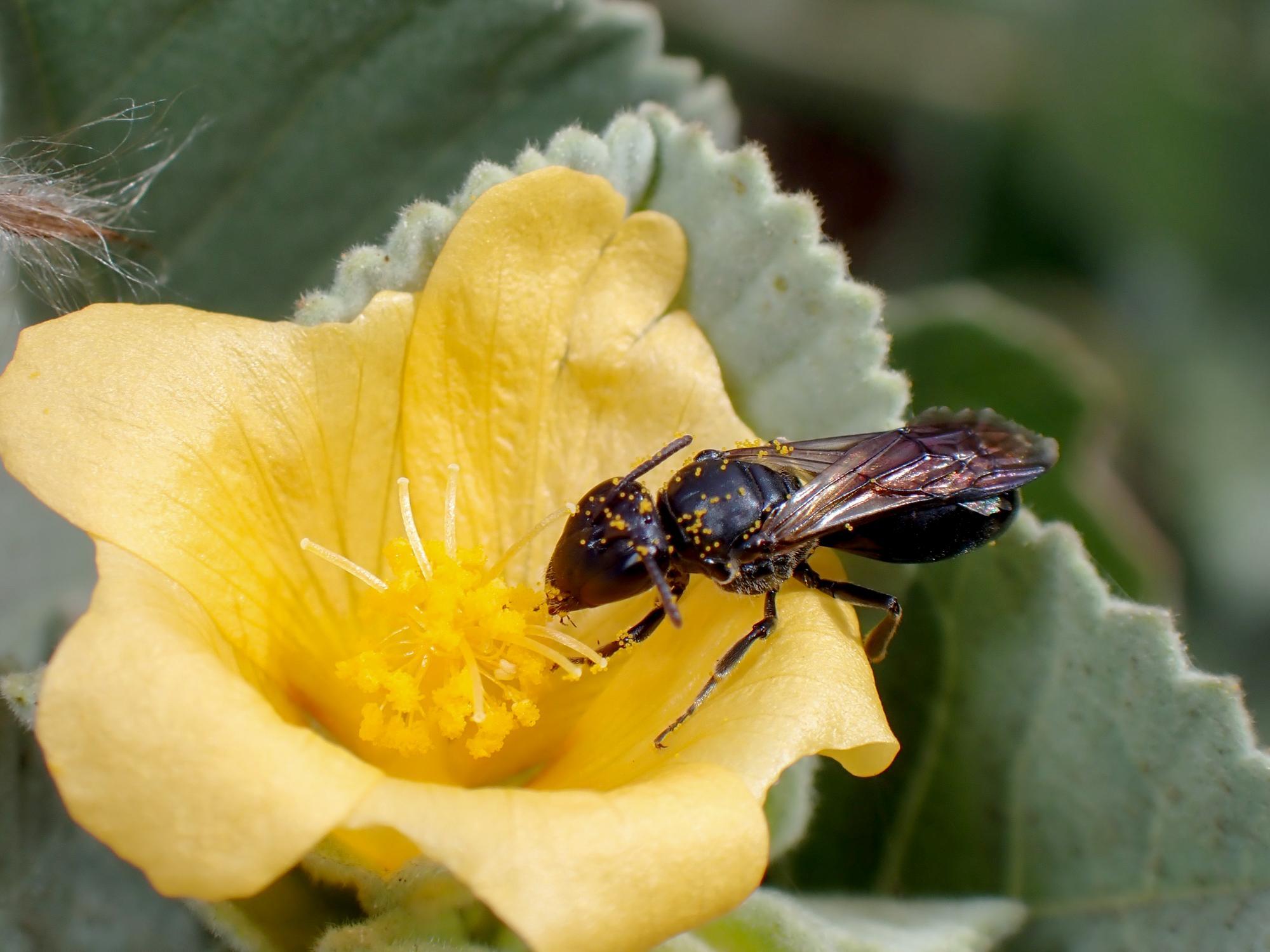
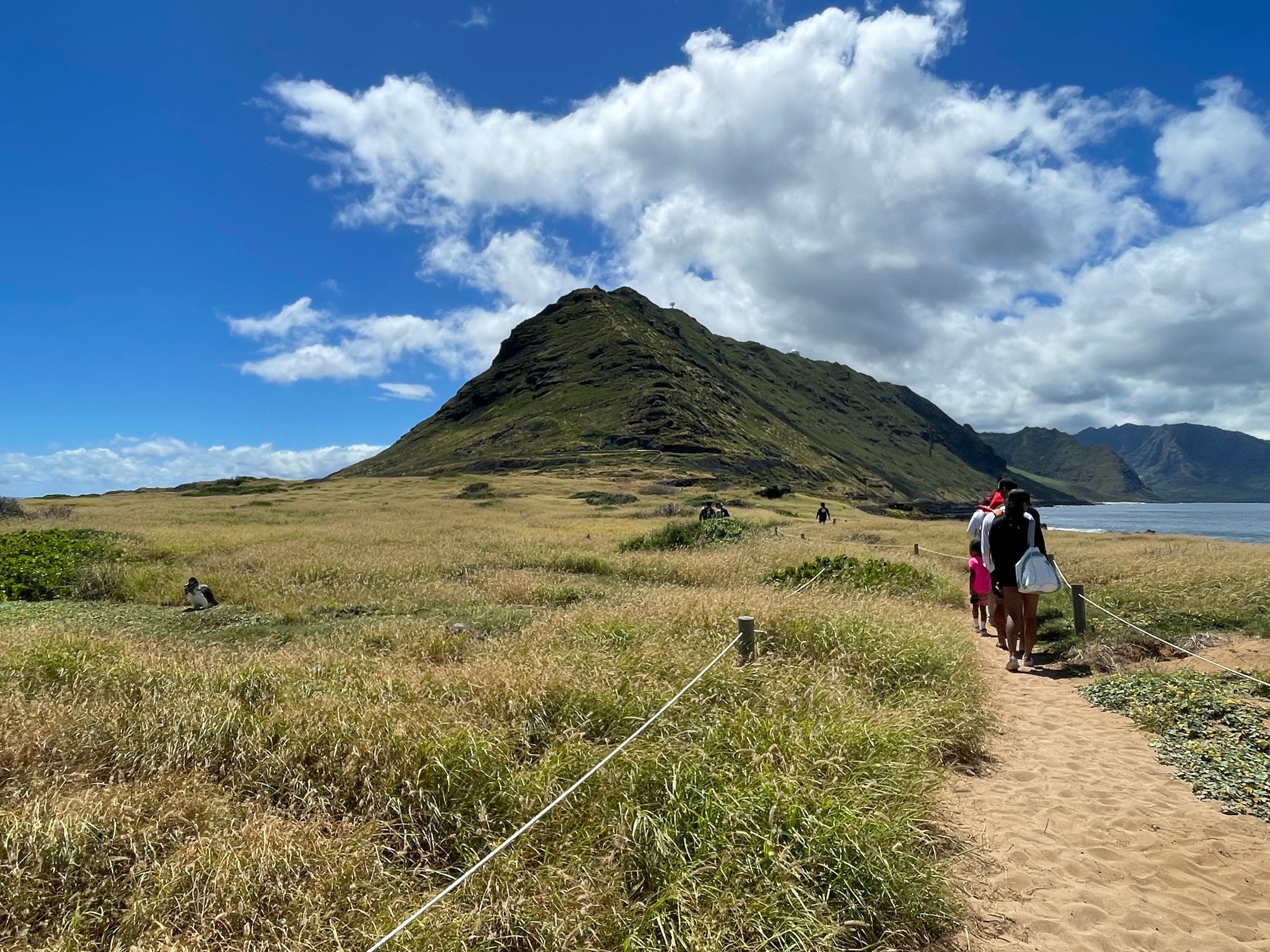
Kaiwi State Scenic Shoreline StorymapThe Kaiwi coast on the southeast shores of Oʻahu includes amazing beaches, tidepools, and coastal trails. It also provides important habitat for nalo meli maoli, the native yellow-faced bee. DLNR State Parks, which manages this area, created the storymap below to explain the cultural history of this coastline and the importance of protecting the nalo meli maoli. 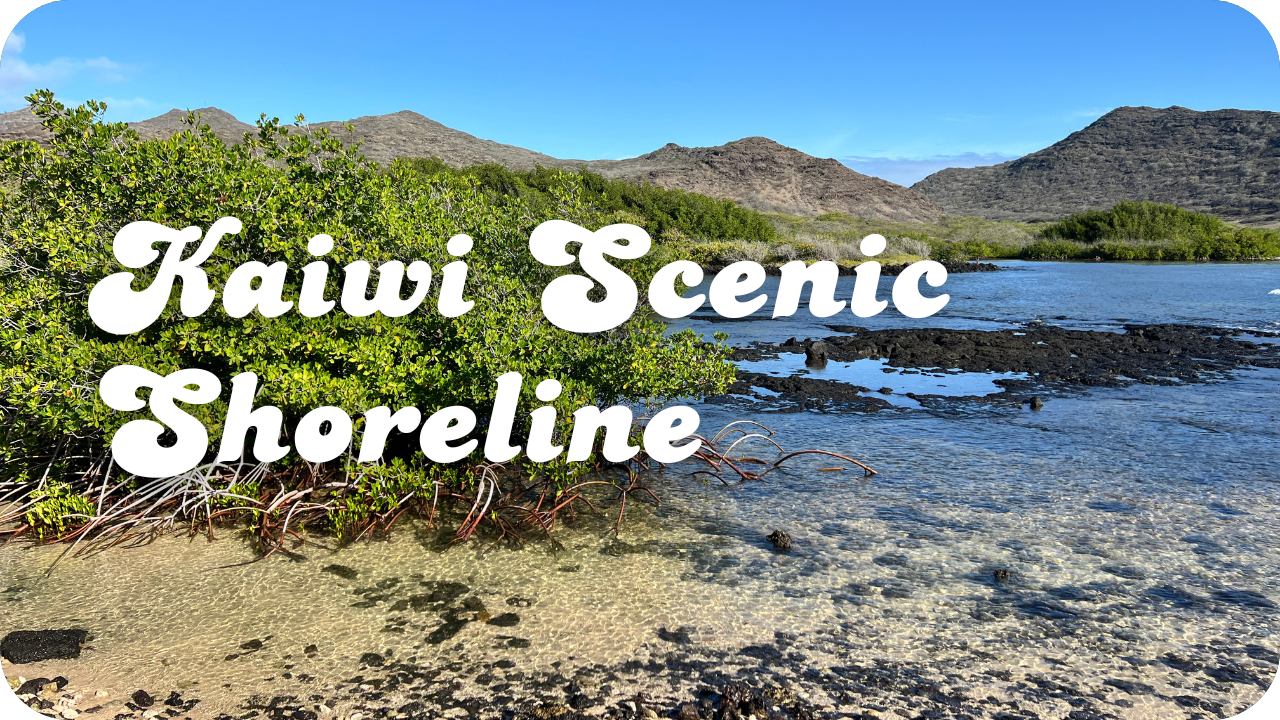 |
Hawaiʻi’s Wildlife SanctuariesMany of our State Wildlife Sanctuaries managed by DLNR Forestry & Wildlife are found along the coast or on offshore islets, and for good reason: coastal habitats are important for waterbirds, migratory birds, and seabirds, and our offshore islets often provide nesting locations for seabirds where they can be free from predators like rats, cats, and mongoose. Some Wildlife Sanctuaries are closed to entry, while others have restricted access that allow people to walk in certain areas and sneak a peak at native wildlife. Learn which sanctuaries allow access and what is allowed at the link below. 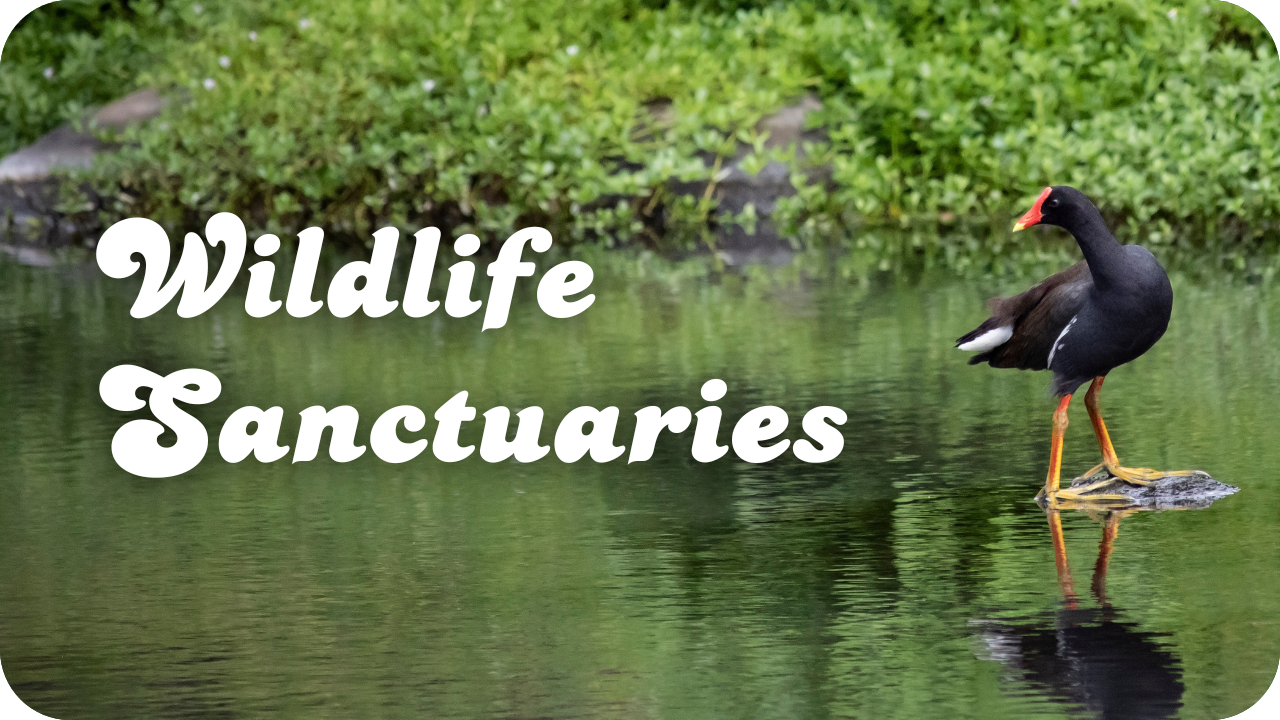 |
Aquatic Resources PSAsThe DLNR Division of Aquatic Resources produces public service announcements to inform residents and visitors about the nearshore marine environment. Visit their page below to see an archive of PSAs.  |
UH Sea Grant Sea Level Rise ViewerOur coastal ecosystems face drastic changes in the future due to climate change and sea level rise. UH Sea Grant developed the Sea Level Rise Viewer to help residents understand the impacts of sea level rise in their neighborhoods or at their cherished sections of coastline. 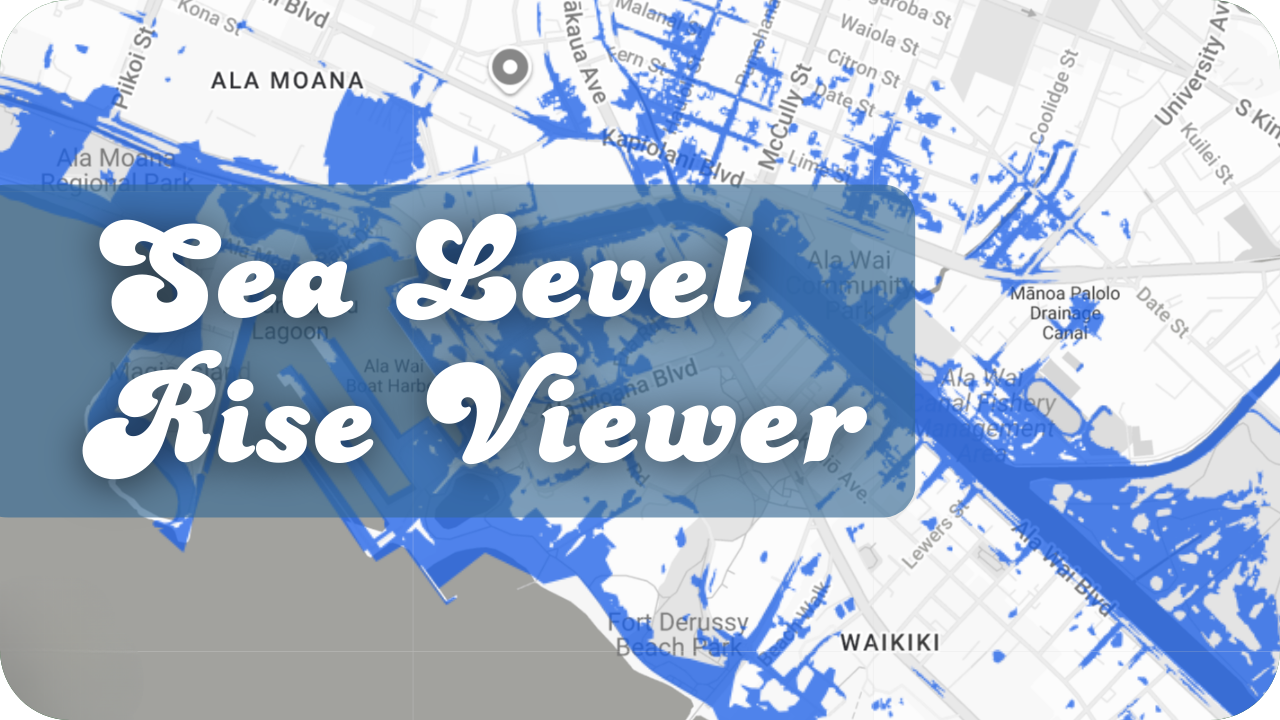 |
Hawaiʻi Climate Change PortalThe Hawaiʻi Climate Change Portal compiles resources and strategies for dealing with climate change in Hawaiʻi. At the portal, you can review Hawaiʻi’s climate mitigation strategies, learn how to take action, and find climate-related events.  |
Seabird Recovery Projects on Kauaʻi and Maui NuiSeabirds rely on coastal ecosystems to nest, lay eggs, and raise their chicks. These seabirds are an important component of these ecosystems, as they cycle nutrients by harvesting food in the ocean and then depositing nutrient-rich guano on land. Due to coastal development and the introduction of predators, many of our seabirds are at risk. The Kauaʻi Endangered Seabird Recovery Project and the Maui Nui Seabird Recovery Project are collaborations of DLNR Forestry & Wildlife and the University of Hawaiʻi and are leaders in seabird conservation and recovery. Visit their pages at the links below to learn about their incredible work and the seabirds they protect, or click the button labeled “Seabird Projects” to find even more wildlife projects in Hawaiʻi.. 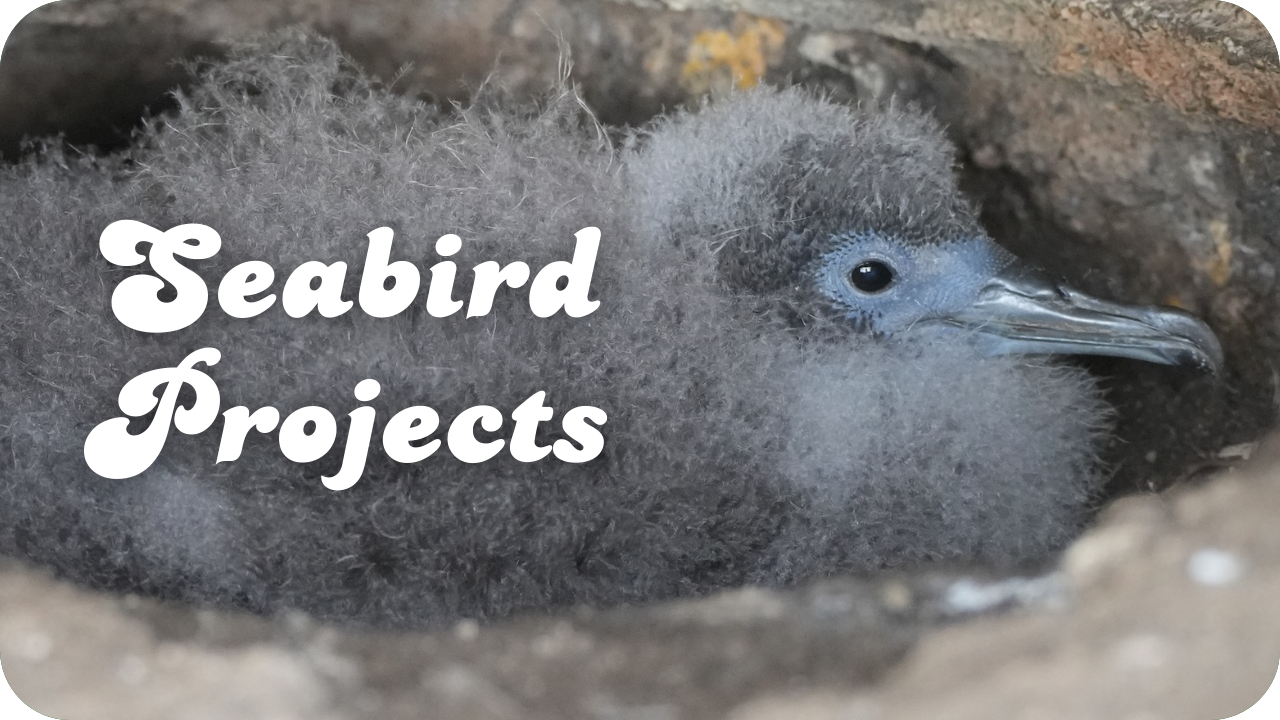 |
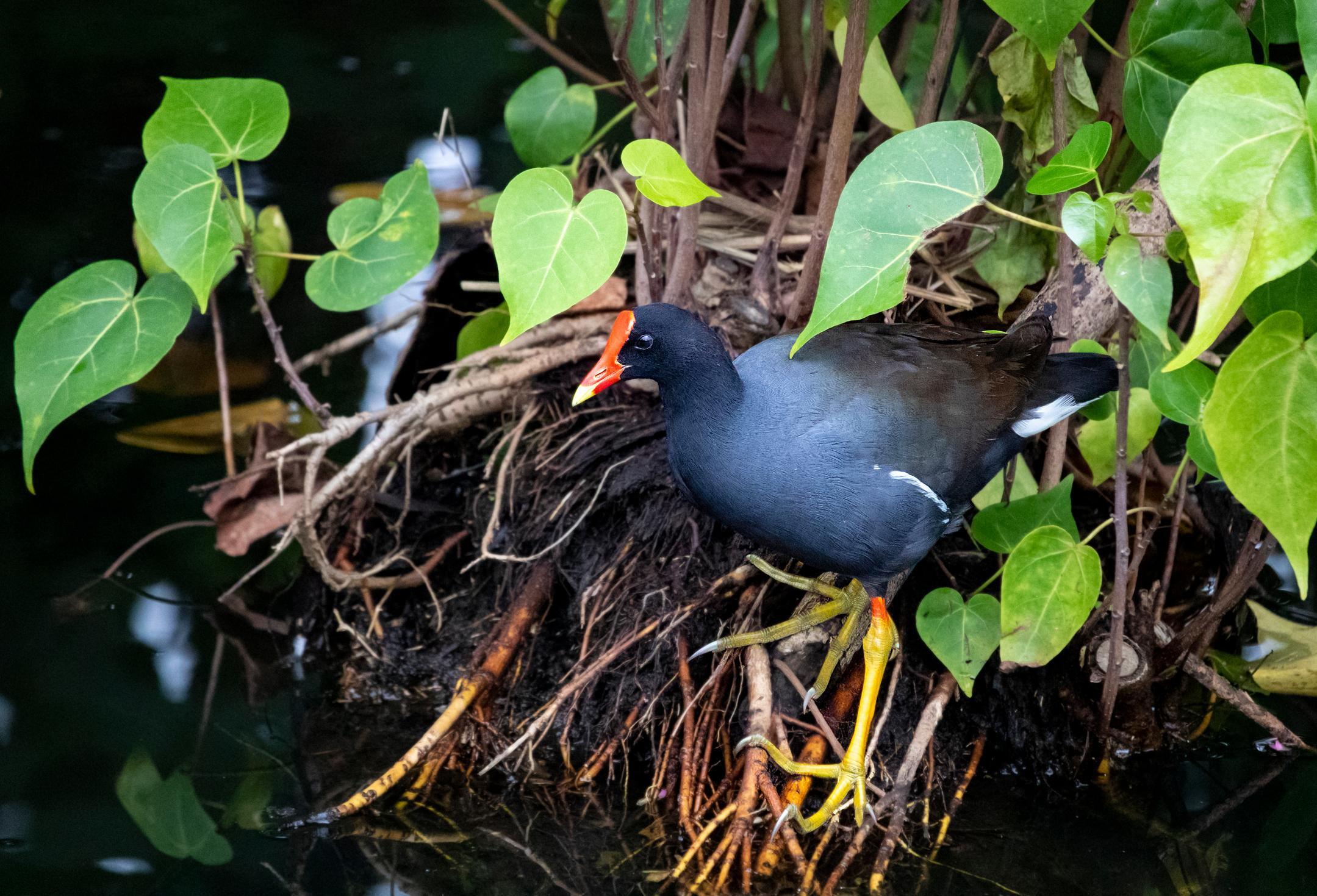
Pacific Birds: Igniting Hope for the ʻAlae ʻUlaʻAlae ʻula is a beautiful waterbird found only in the wetlands of Kauaʻi and Oʻahu. It has a distinctive red-orange frontal shield, which in moʻolelo is the result of a burn from when the ʻalae ʻula stole fire from god Maui and gave it to humans. In 2026 the Pacific Birds Habitat Joint Venture is launching a campaign to raise awareness about the ʻalae ʻula, which now has a population of around 700 birds. At the link below you can learn more about ʻalae ʻula, donate to the cause, and get involved at volunteer sites across Kauaʻi and Oʻahu. 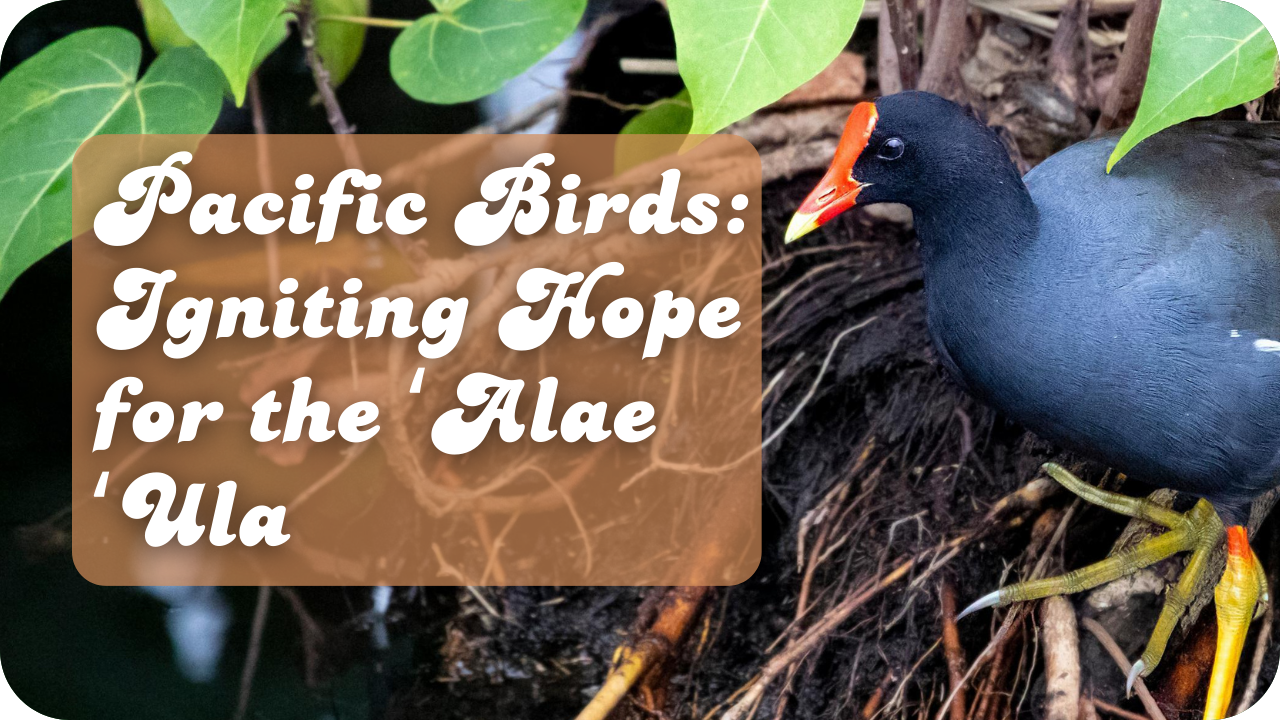 |
Kure Atoll Conservancy: Learn about our most remote seabird sanctuaryHōlanikū, also known as Kure Atoll, lies 1,400 miles northwest of Honolulu. Though it lies at the furthest reaches of the Northwest Hawaiian Islands, the island is managed by the Oʻahu Branch of DLNR Forestry and Wildlife and the non-profit Kure Atoll Conservancy (KAC). The KAC website offers information for all ages about the seabirds and plants found on Hōlanikū, the work of conservationists in this remote habitat, and the threats posed by marine pollution. 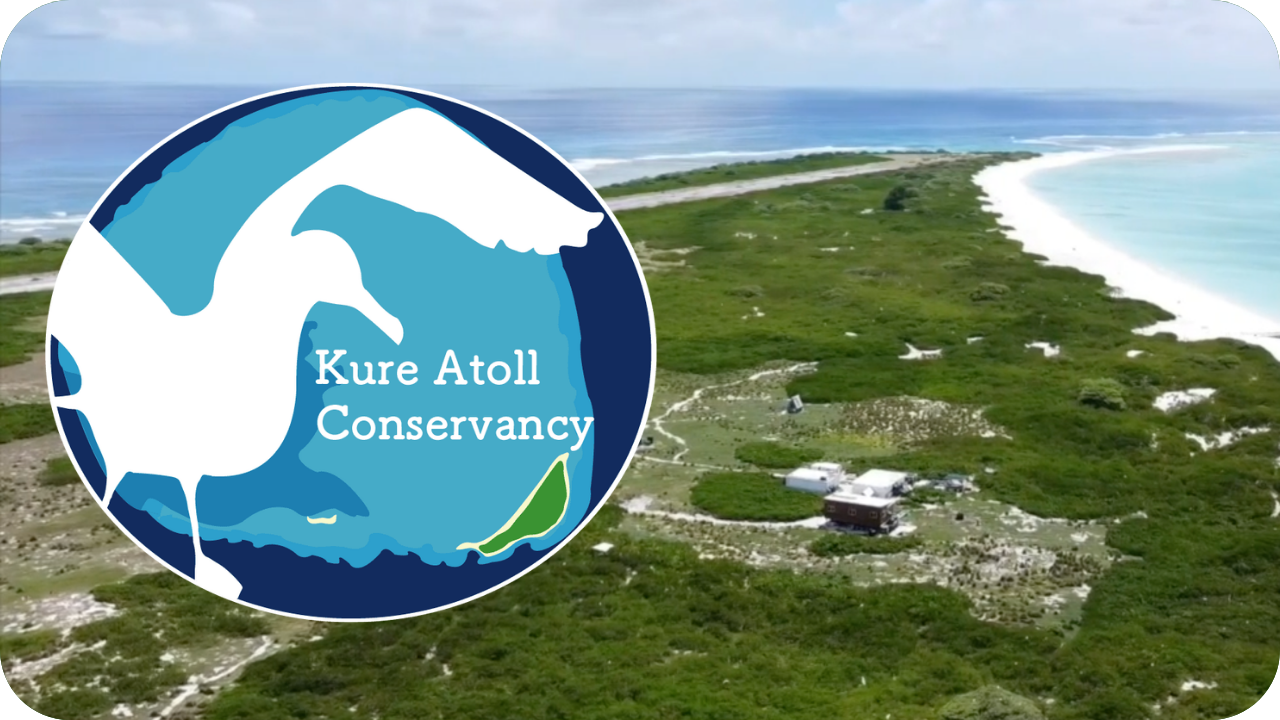 |
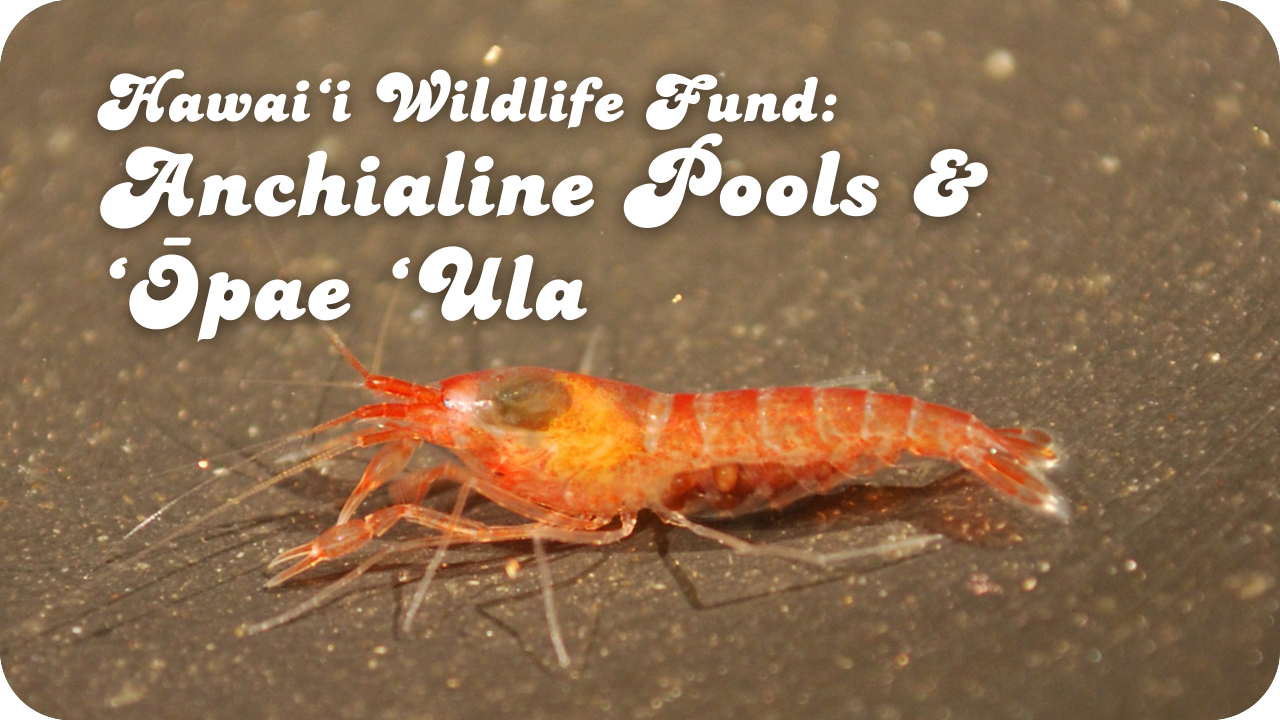
Hawaiʻi Wildlife Fund: Learn about Anchialine Pools and the Hawaiʻi State ShrimpDid you know that Hawaiʻi has an official state shrimp? In 2025 the State Legislature declared the ʻōpae ʻula as an official symbol of the State of Hawaiʻi. The Hawaiʻi Wildlife Fund helped introduce this legislation and offers information about ʻōpae ʻula and their habitats: anchialine pools. Anchialine pools are relatively rare worldwide but common on Hawaiʻi Island (and also occasionally on Maui and Oʻahu). The term “anchialine” comes from a Greek word meaning “near the ocean,” and in Hawaiʻi they are considered wetlands that are “landlocked” and only connected to the sea through underground lava tubes, tunnels, cracks and karst (porous limestone) barriers. Learn about anchialine pools and ʻōpae ʻula from Hawaiʻi Wildlife Fund
|
UH Sea Grant: Voice of the SeaVoice of the Sea travels throughout Hawaiʻi and the Pacific meeting researchers, scientists and cultural practitioners. Watch to learn about current science research, its importance to you, and the ways in which traditional knowledge can inform science and management practices!
|
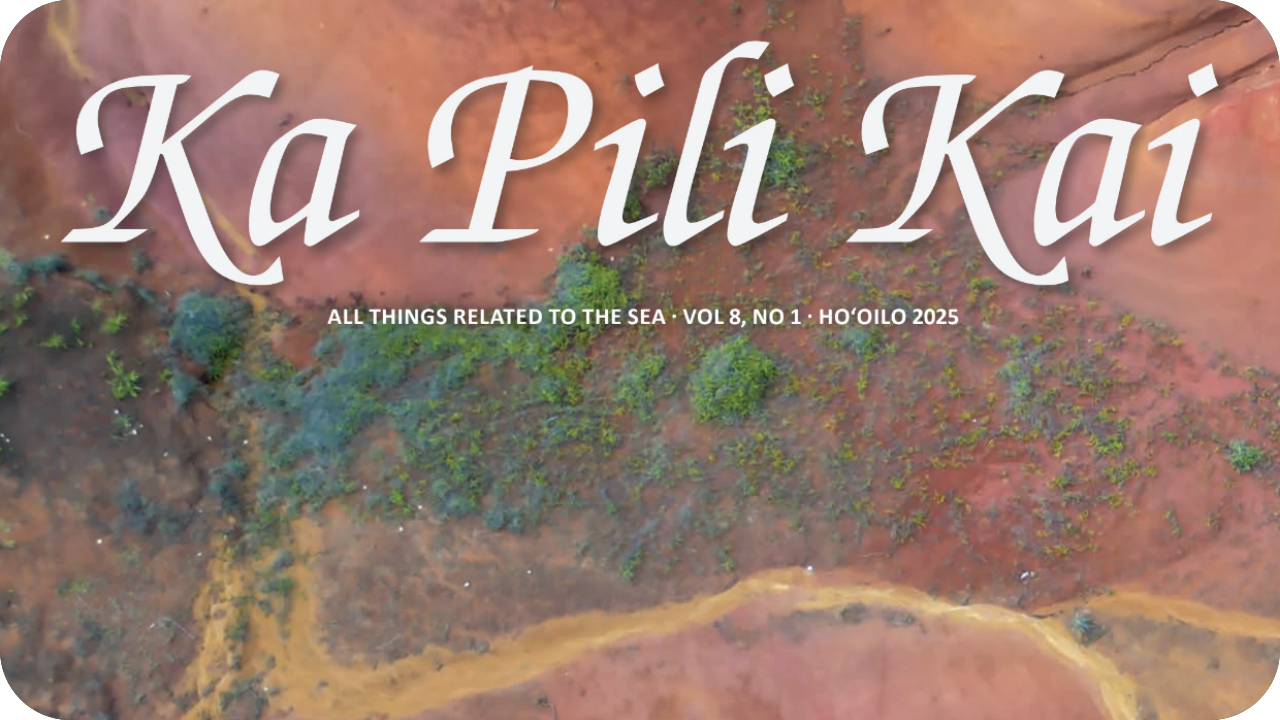
UH Sea Grant: Ka Pili Kai MagazineHawai‘i Sea Grant’s free biannual magazine celebrates the people and places across the Pacific region and our deep connection to all things related to the sea through vivid photographs and inspiring stories.
|
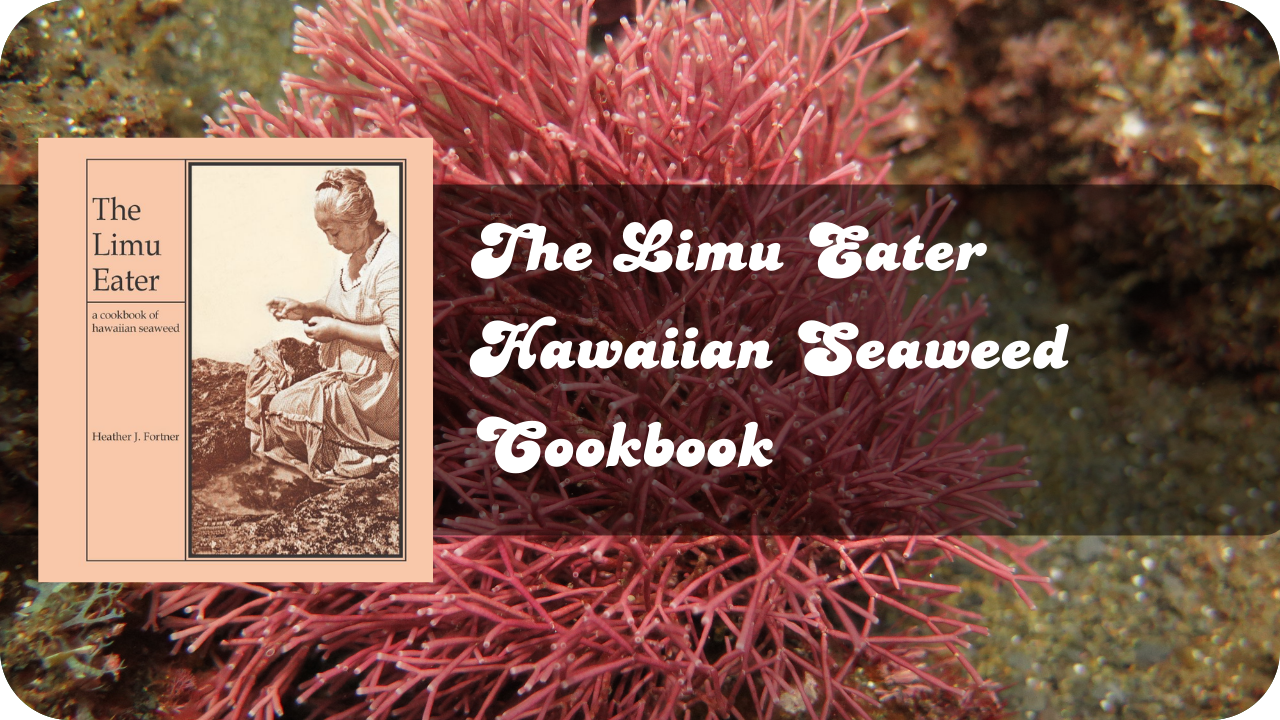
The Limu Eater: A Cookbook of Hawaiian SeaweedThis reprint of The Limu Eater is the product of a partnership between Kuaʻāina Ulu ʻAuamo (KUA) and the University of Hawaiʻi Sea Grant College Program (Hawai‘i Sea Grant), who worked collaboratively to support the conceptualization, design, and actualization of the reprint. Support for printing was provided by the Center for Oral History at the University of Hawai‘i at Mānoa, the Hawaiʻi Tourism Authority, and Hawai‘i Sea Grant.
|
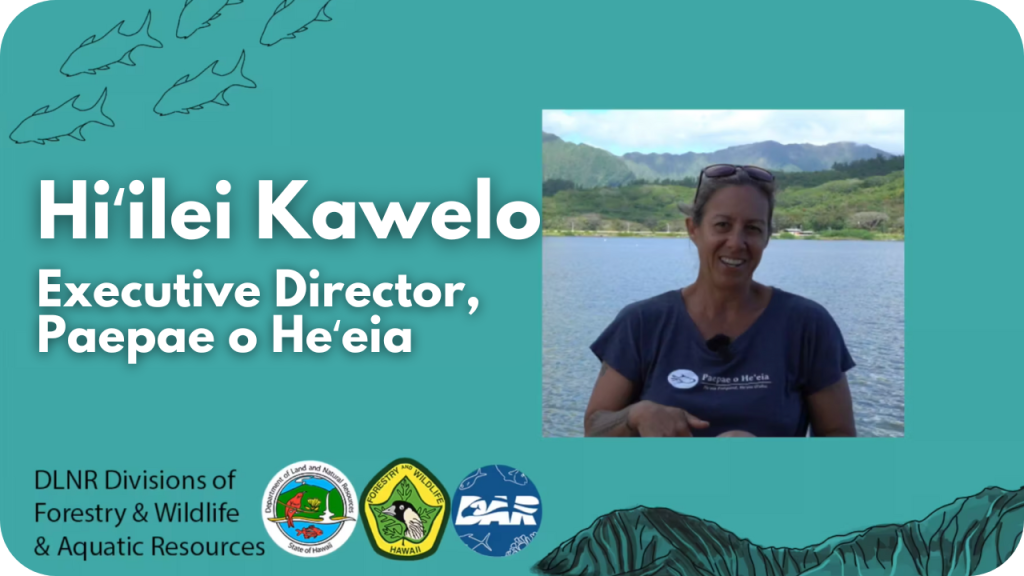
Coastal VideosThe videos below highlight natural and cultural resources across our coastal landscapes: the recovery of nēnē (a waterbird that frequents coastal areas), protection of nalo meli maoli (yellow-faced bees), and two entries from our ʻIke Kaiāulu series featuring knowledge from cultural practitioners: loko iʻa with Hiʻilei Kawelo, and kilo limu with Wally Ito. 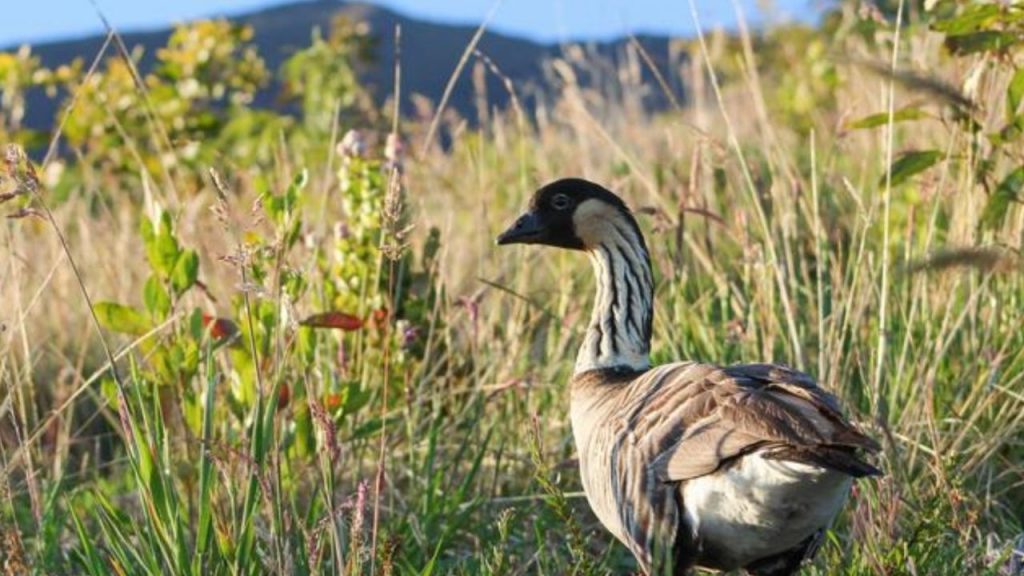 Nēnē: A Recovery Story Nēnē: A Recovery Story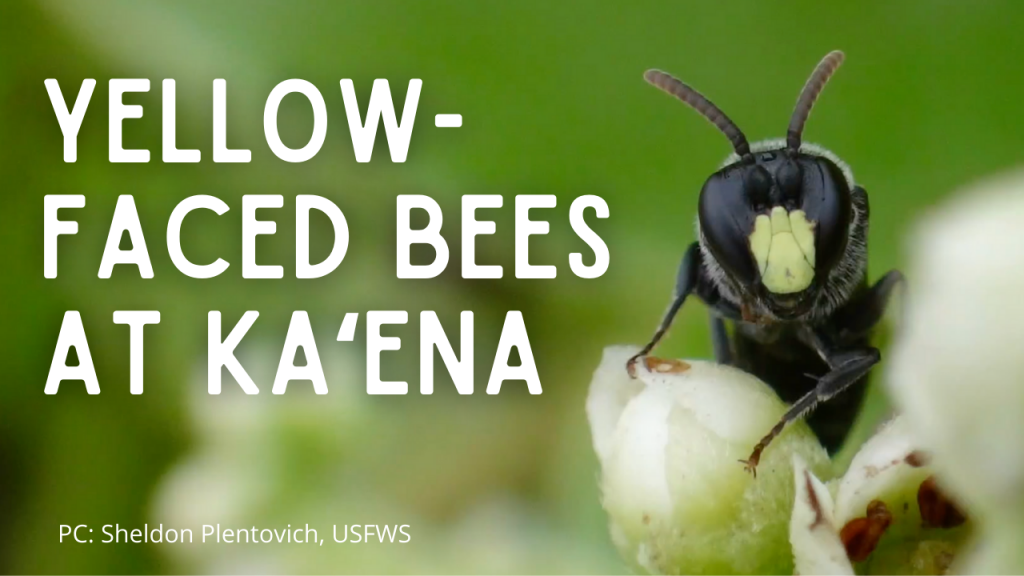 Native yellow-faced bees get a new home at Kaʻena Point Native yellow-faced bees get a new home at Kaʻena Point
Loko iʻa with Hiʻilei Kawelo
|
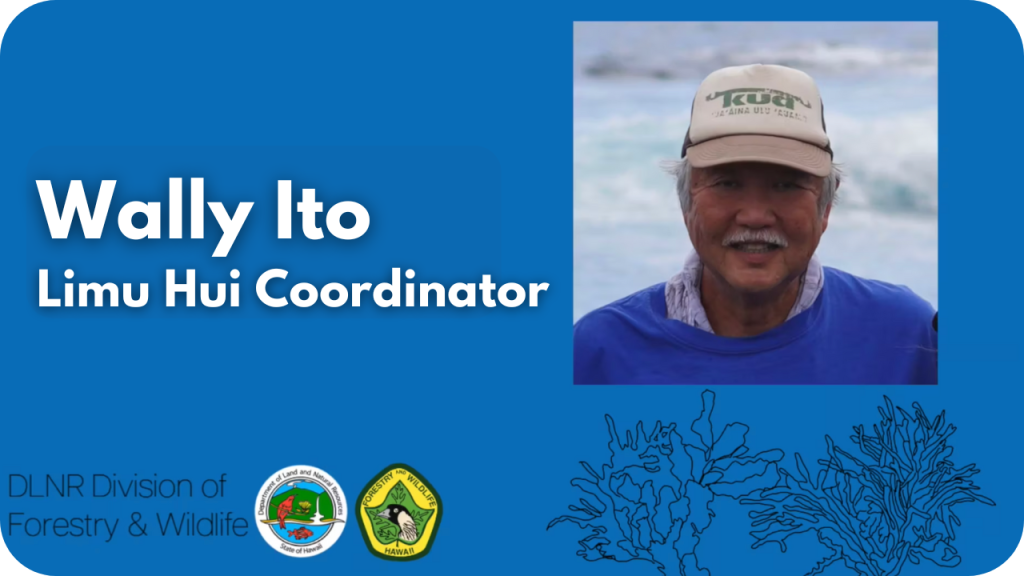 Kilo limu with Wally Ito
Classroom Resources
We provide general educational information in the above section “Learn more about Hawaiʻi’s coasts,” including species profiles, ecosystem information, and more. Those resources may be of interest to your class or to learners of any age. The additional links below are specifically designed for Hawaiʻi-based educators and classrooms.
Request a Classroom Presentation or Field TripDLNR and our many partners employ Education Specialists who can visit your classroom to discuss coastal plants, animals, or ecosystem functions, or to share information about what it’s like to be a coastal biologist in Hawaiʻi. Use the links below to contact education staff at various DLNR divisions, or contact one of our campaign partners to request a visit. Field trips may also be available. 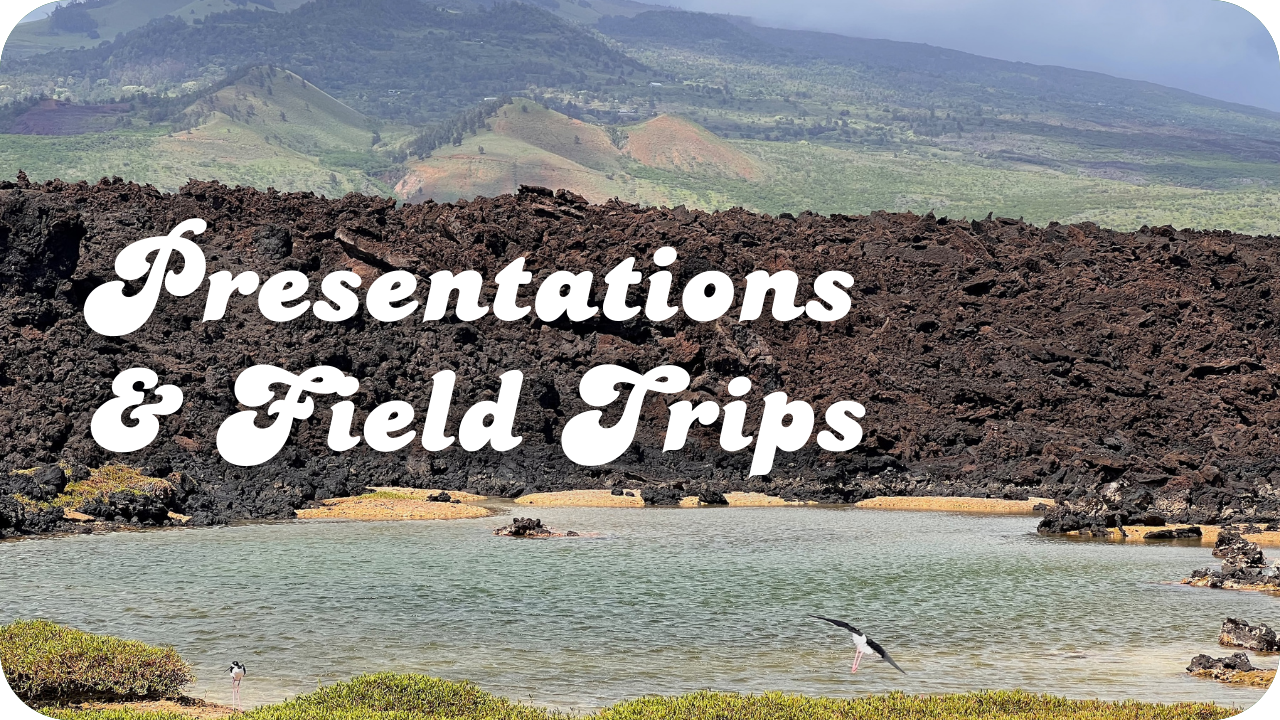 |
Free to Hawaiʻi educators: Coastal Kuleana classroom posters & water bottle stickersDLNR Forestry & Wildlife offers a free classroom poster and one classroom sticker pack (about 20 stickers) to Hawaiʻi-based educators who are teaching a unit on coastal resources. For the Year of Our Coastal Kuleana, we worked with local artist Malia Heimuli to create a new classroom poster highlighting coastal species and activities, and a set of water bottle stickers that feature coastal birds, insects, and plants. Visit the link below for information on how to order. DLNR Forestry & Wildlife: Free “Coastal Kuleana” classroom posters and water bottle stickers 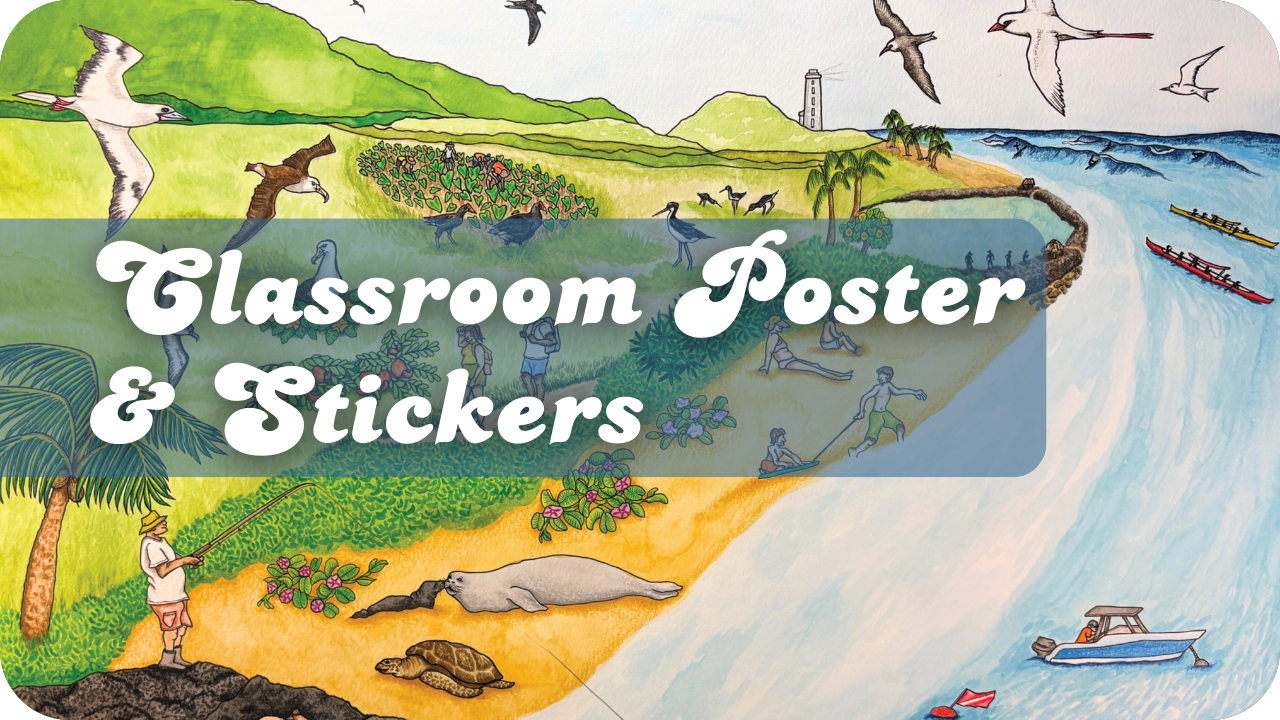 |
Aquatic Species PostersDLNR Division of Aquatic Species offers educational posters that feature marine species. These include pelagic fishes, bottom fishes, Hawaiʻi’s jacks, marine invertebrates, marine fishes, sharks, tidepool and reef guides, and a native stream poster. These are available for $5 at DAR offices. 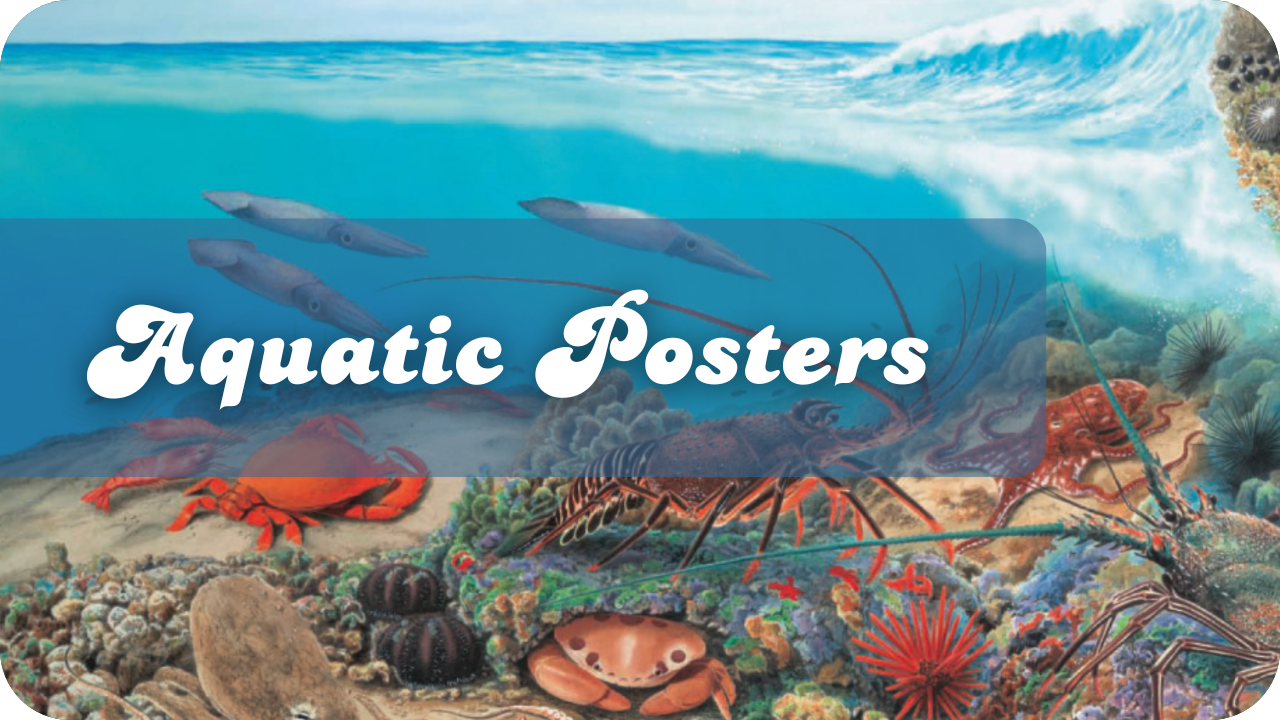 |
Digital classroom poster and infographic: Seabirds and light pollutionThe Kauaʻi Endangered Seabird Recovery Project have created two products for classroom to learn about light pollution and its impacts on native seabirds. Download the digital poster and infographic to incorporate this information into your classroom: 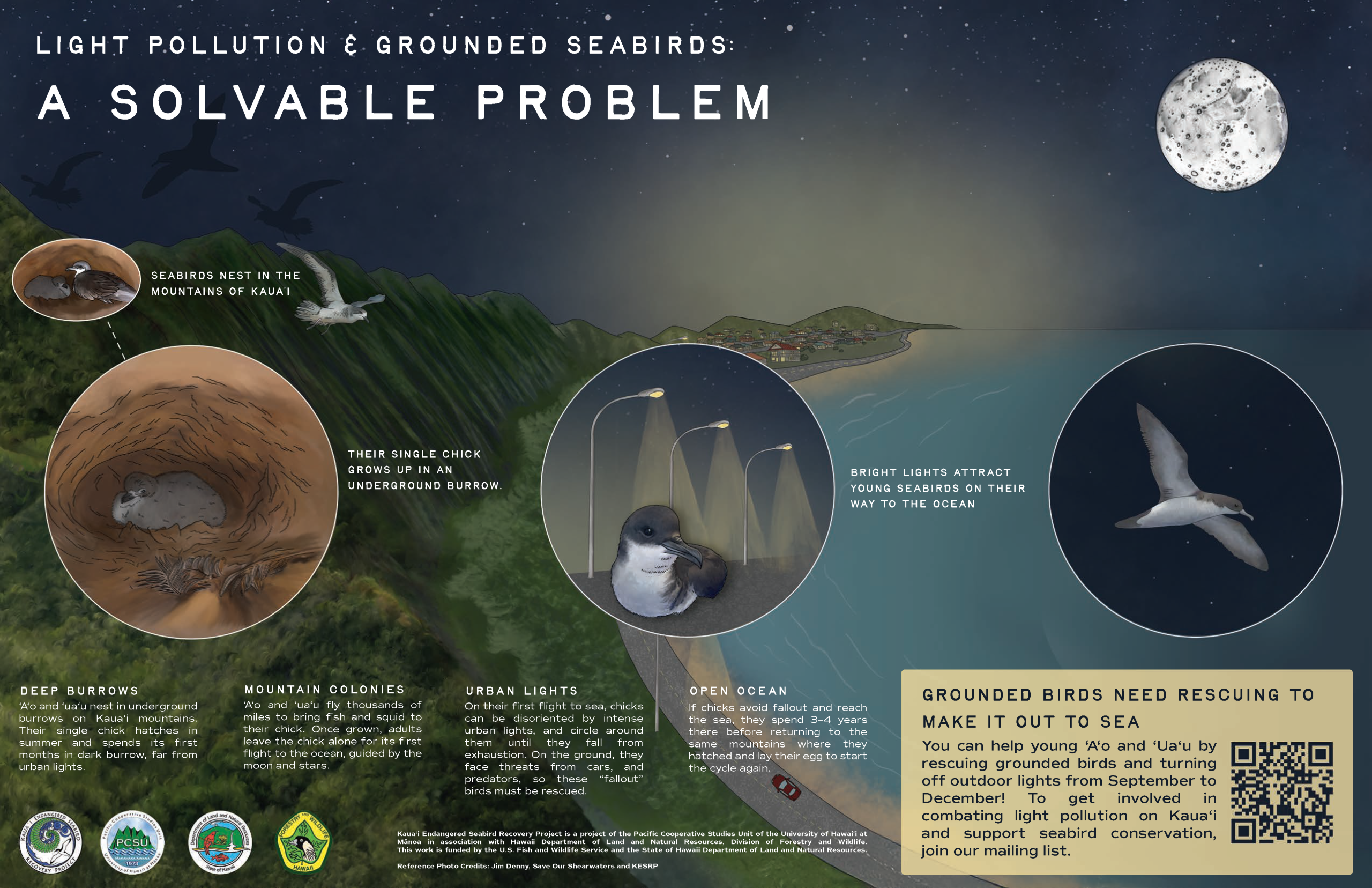 |
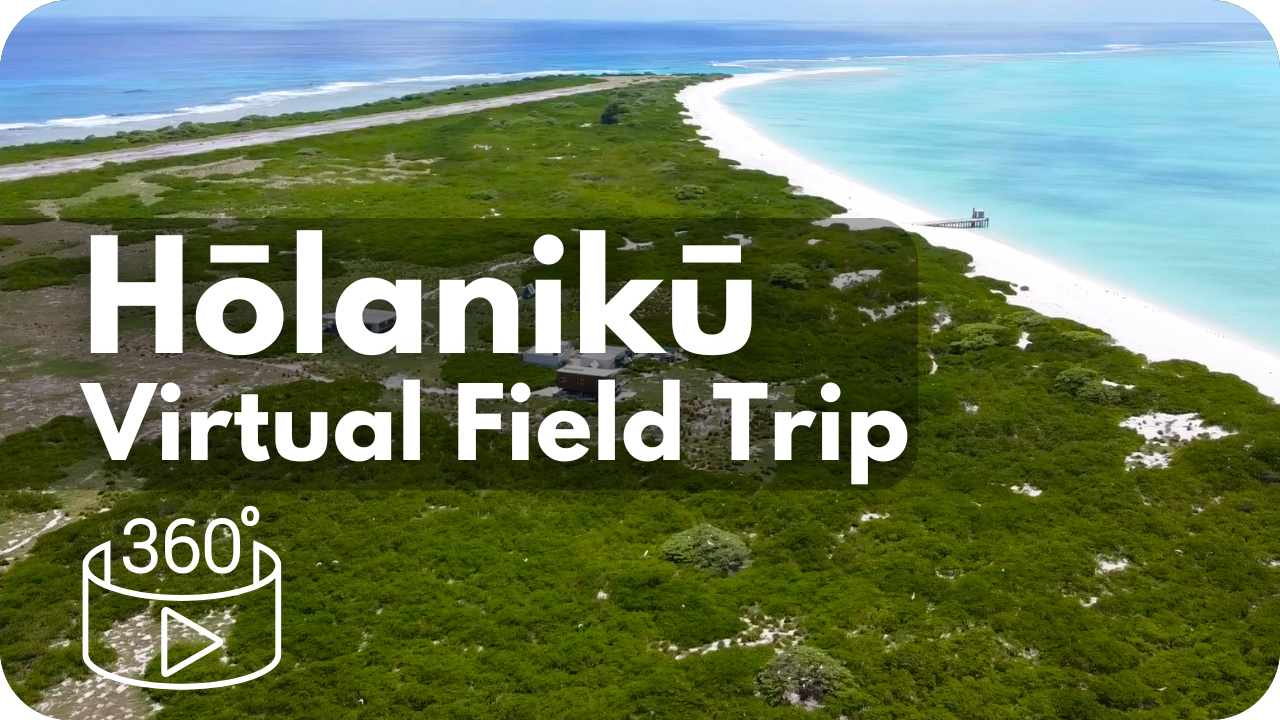
New Virtual Field Trip: Journey to Hōlanikū (Kure Atoll) in the Northwest Hawaiian IslandsHōlanikū is Hawaiʻi’s oldest island still above water. DLNR Forestry & Wildlife and the nonprofit Kure Atoll Conservancy work together to protect this critical seabird sanctuary. Learn how biologists access this remote atoll and what it means for them to work and live in such a remote place. Hear about the cultural context of Hōlanikū and Papahānaumokuākea for Native Hawaiians. Meet the birds, plants, and monk seals of Hōlanikū, and learn how they are threatened by invasive species and marine pollution. DLNR Forestry & Wildlife creates virtual field trips using 360˚ images filled with clickable hotspots that contain videos, photos, and audio about plants, animals, and ecosystems in Hawaiʻi. Our field trips are aligned to NGSS, Nā Hopena Aʻo, and ʻĀina Aloha standards. |
New Virtual Field Trip: Journey to Lehua Islet with the Kauaʻi Endangered Seabird Recovery ProjectFor Year of Our Coastal Kuleana, weʻve created a new virtual field trip to Lehua Islet. Join the Kauaʻi Endangered Seabird Recovery Project on a helicopter flight 19 miles west of Kauaʻi to Lehua Islet, a State Seabird Sanctuary that is home to many adorable (and noisy) seabirds. Students will learn why Lehua is a perfect home for seabirds, and what types of tools and strategies biologists use to keep seabird populations healthy. The field trip also explores pre-contact use of Lehua by Native Hawaiians, and tells the story of how invasive rats and rabbits were removed from the islet. DLNR Forestry & Wildlife creates virtual field trips using 360˚ images filled with clickable hotspots that contain videos, photos, and audio about plants, animals, and ecosystems in Hawaiʻi. Our field trips are aligned to NGSS, Nā Hopena Aʻo, and ʻĀina Aloha standards. 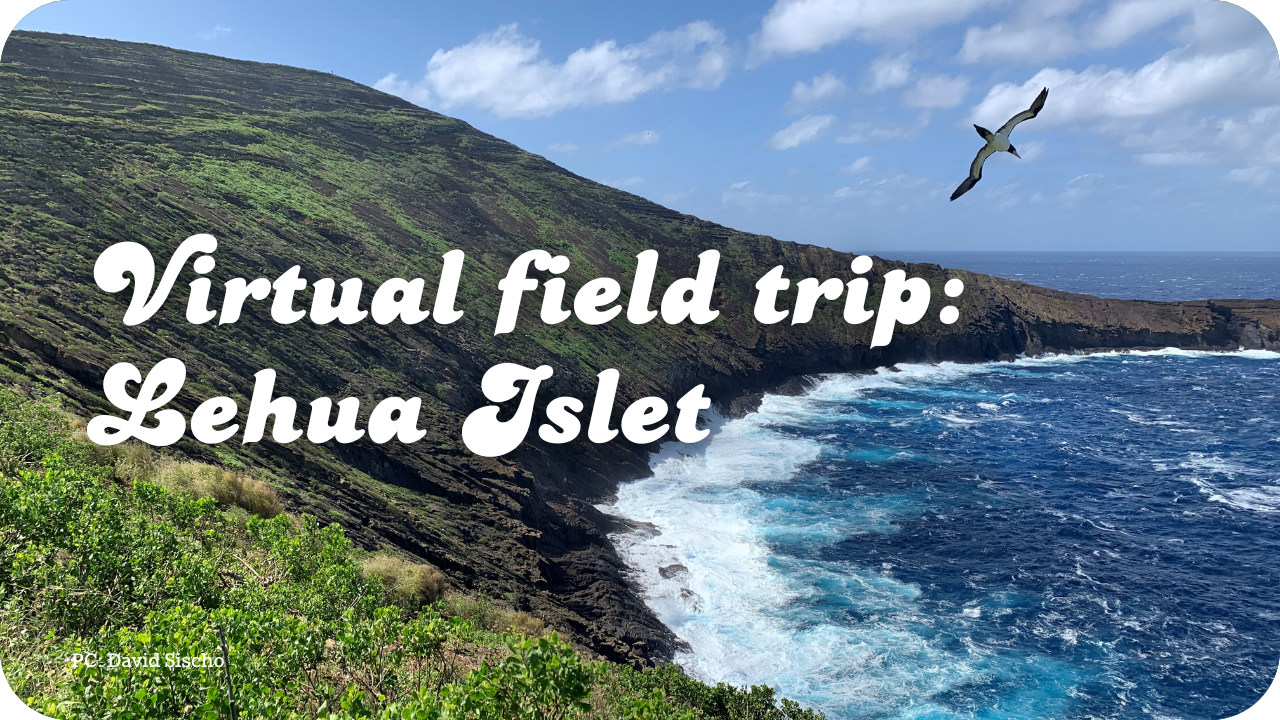 |
More Coastal Virtual Field Trips: Coastal reserves of the main Hawaiian Islands and, coming soon: HōlanikūWe have more virtual field trips to coastal reserves around Hawaiʻi, and coming soon, we’ll release a new virtual field trip to Hōlanikū. Also known as Kure Atoll, this tiny island is 1,400 miles from Honolulu, found at the northern end of the Northwest Hawaiian Islands. This island is an State Seabird Sanctuary managed by DLNR Forestry & Wildlife and the Kure Atoll Conservancy. Explore the island, meet the birds, and hear from the biologists who stay months at a time in one of the most remote locations on Earth, and why they do it all for the birds. In the meantime, enjoy virtual field trips to Oʻahu’s Kaʻena Point, Kawainui Marsh, Hāmākua Marsh, Pouhala Marsh, and Kanahā Pond on Maui. Our field trips are aligned to NGSS, Nā Hopena Aʻo, and ʻĀina Aloha standards. All field trips are at the link below. 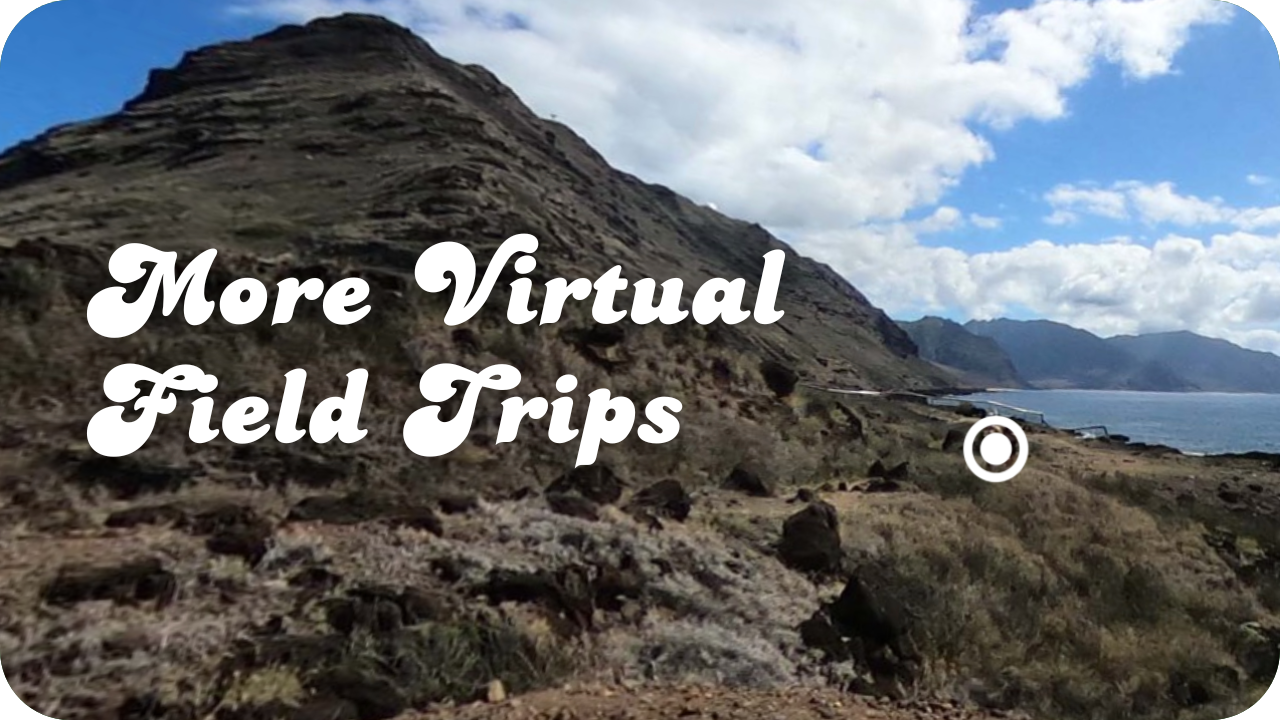 |
Curriculum: “Way of the Wedgie”This five-lesson curriculum is designed to help educators who want to teach about ʻuaʻu kani, also known as wedge-tailed shearwaters. The curriciulum was developed by the Hawaiʻi Audubon Society in partnership with Hawaiʻi Pacific University and Oikonos.  |
Curriculum (4th Grade): Journey to Papahānaumokuākea: Past, Present, and FutureFrom the Friends of Hawaiian Islands National Wildlife Refuge: The four lessons that comprise this introductory curriculum for 4th grade engages students with the cultural, historical, and scientific knowledge of the Northwestern Hawaiian Islands which make up the Papahānaumokuākea Marine National Monument. The curriculum includes 4 lesson plans with connected Hawaii Core Standards for Social Studies (HCSSS) and Next Generation Science Standards (NGSS); 4 “Teach-Along” slide decks with Step-by-Step teacher prompts; and student “Journey Log” worksheets. Papahānaumokuākea Curriculum, from the Friends of Hawaiian Islands National Wildlife Refuge
|
Curriculum: Hōʻike o Haleakalā’s Coastal & Marine UnitsYou don’t need to be based on Maui to use the Hōʻike o Haleakalā curriculum, an environmental education package containing 73 activities separated into biomes including alpine, rain forest, coastal, marine, and invasive species. The coastal unit of the curriculum includes 12 activities about erosion, invasive species, and anchialine ponds. The marine unit includes 13 activities on reefs, marine biology, and ocean biology.  |
Curriculum: A Teacher’s Guide to Nēnē & Nēnē Board GameThis 28-page guide provides educators with background information about nēnē, as well as activities including bird behavior bingo, a game about nēnē eggs, and a coloring book featuring plants that nēnē eat. We also have a printable board game called “Growing Up Nēnē: Journey from Egg to Adult” that your students can play to understand the challenges nēnē face in modern Hawaiʻi. Printable board game: Growing Up Nēnē: Journey from Egg to Adult 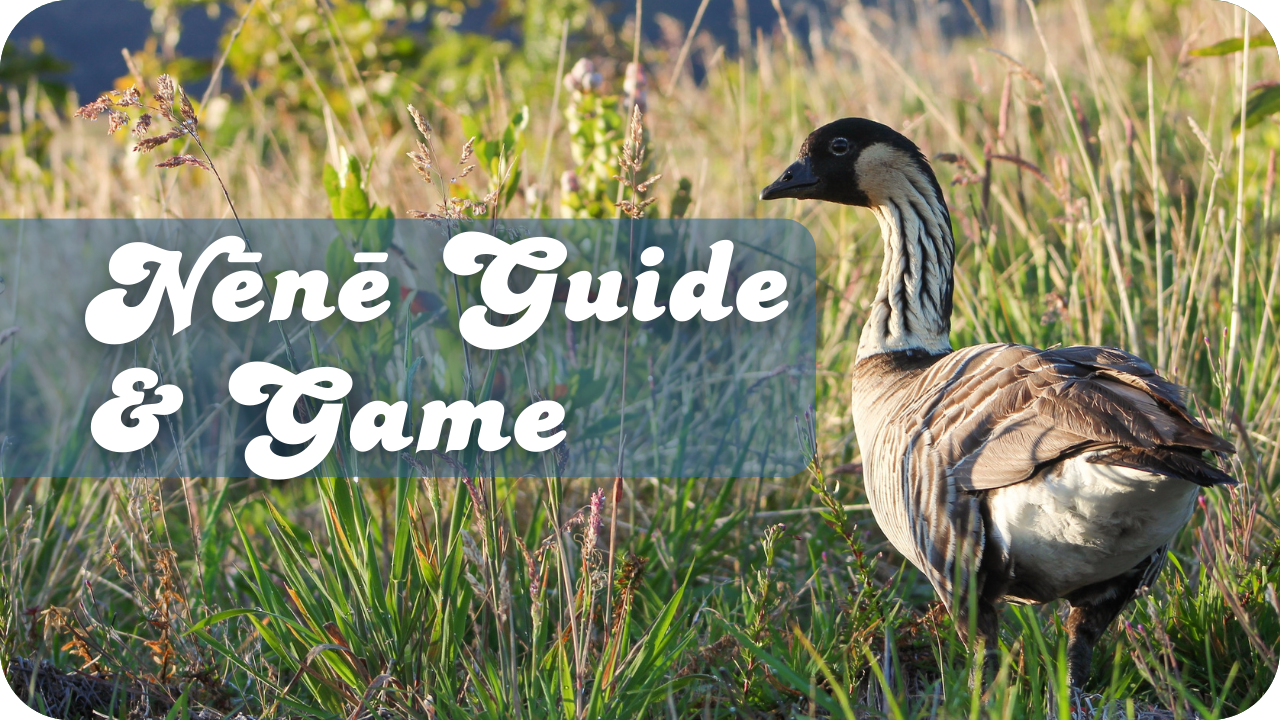 |
Classroom Activity: Finger puppets and masks featuring coastal speciesDownload and print these paper craft activities so your students can become sharks, rays, monk seals, and more. You can download marine species from the DLNR Division of Aquatic Resources (like uhu, sharks, and more), or terrestrial species from DLNR Forestry & Wildlife (like nalo meli maoli, pinaoʻula, and more). 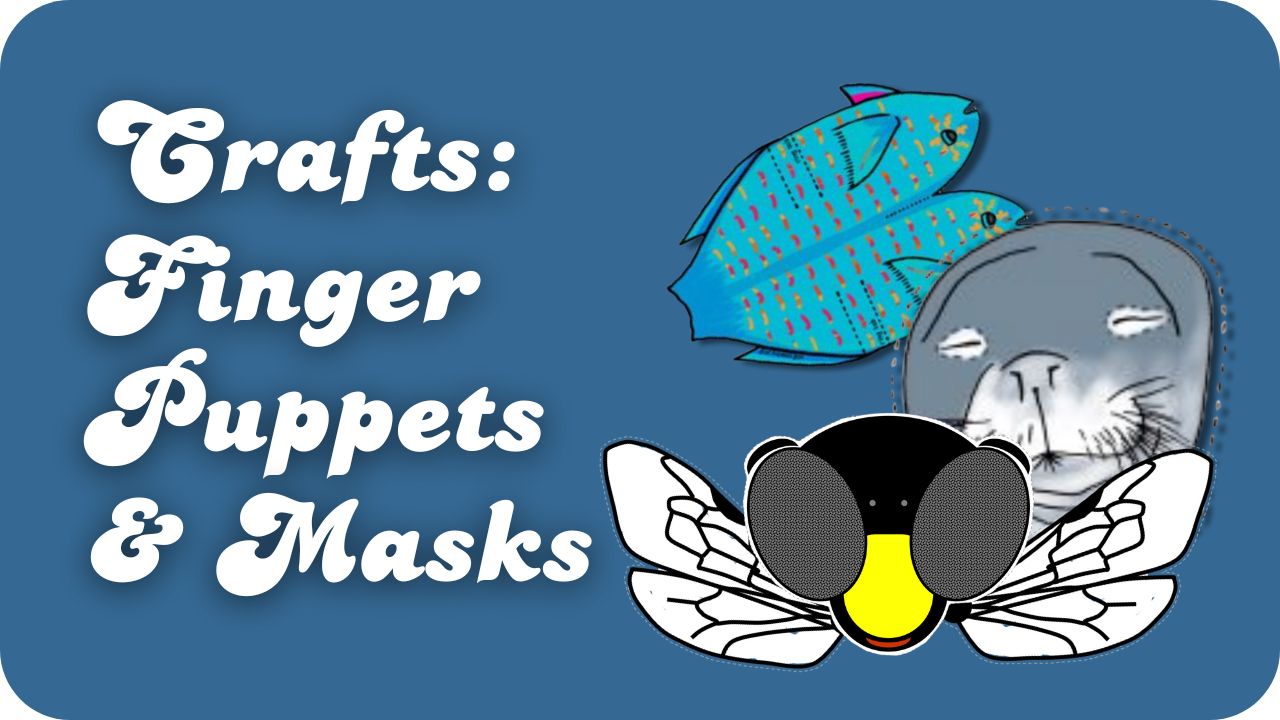 |
UH Mānoa: Sea Earth Atmosphere Curriculum (Grades 3-5)The Sea Earth Atmosphere (SEA) Curriculum content and student activities are aligned to the NGSS and Ocean Literacy Principles for grades 3, 4, 5. Visit Exploring our Fluid Earth for resources aligned with Grades 6-12 standards.
|
UH Mānoa: Exploring Our Fluid Earth Curriculum (Grades 6-12)Exploring Our Fluid Earth is aligned to grades 6–12 NGSS and the Ocean Literacy Principles. Browse topics by Physical, Chemical, or Biological science.
|
Symphony of the Seas Learning ResourcesSymphony of the Seas is a journey through moʻolelo, music, art, and science. Watch and learn the mele and hula that you are invited to participate in during the Symphony of the Hawai’i Seas.
|
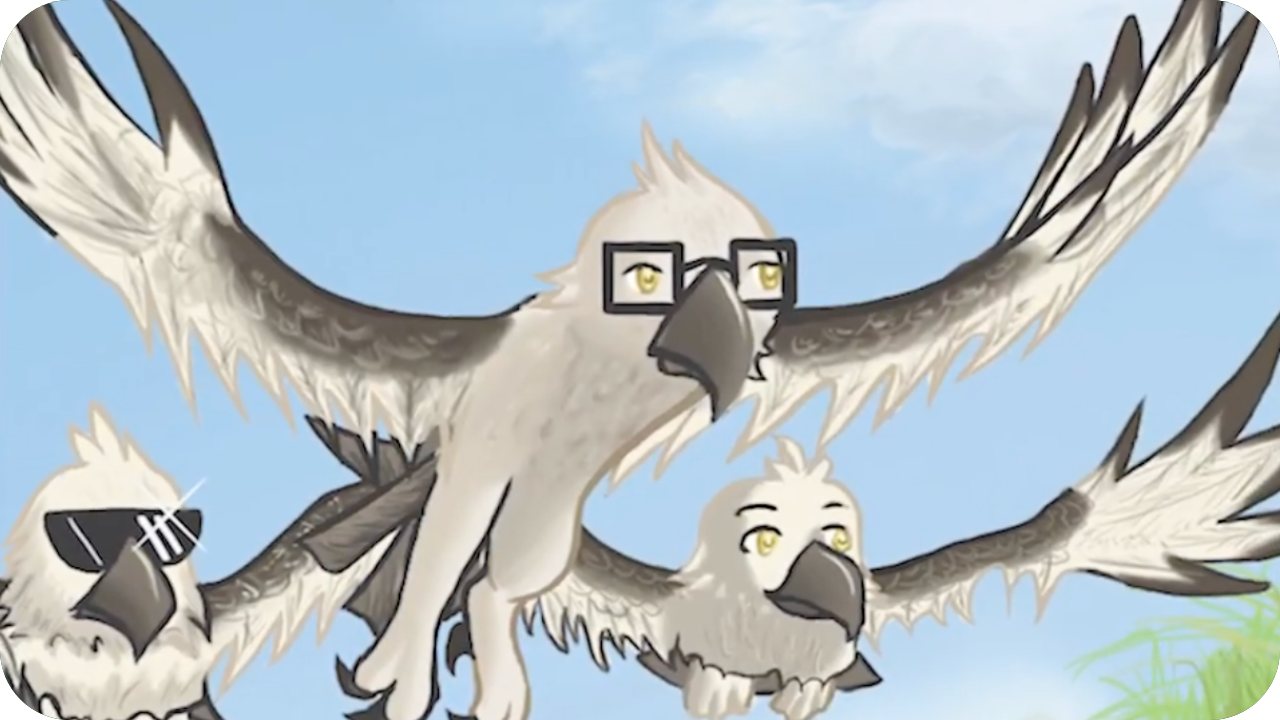
The Three ʻIo Brothers and the Big Bad HurricaneThe Three ‘Io Brothers and The Big Bad Hurricane is written and illustrated by Dr. Keri Kodama. Join the Three ʻIo Brothers as they learn about hurricanes and how to prepare for them from their friends the rat and pueo! This Read Me a Story was created by Alyssa Perez, 2023 Sea Grant Community Engaged Intern and double major in Marine Biology and Film at the University of Hawaiʻi at Mānoa.
|
Stormwater Education Opportunities from Maui DOTMaui District engages the public to influence positive long-term change with regard to how society thinks and acts towards stormwater. Typical event activities include stormwater presentations, hands-on demonstrations, and educational material giveaways. From their Education & Outreach webpage you can request a classroom presentation, download a coloring book, download a Teacherʻs Guide to stormwater, and access an online stormwater quiz on Kahoot!
|
Classroom Video: Lessons from the Sea- Always Remember K.A.IThis 8-minute video from Nā Kama Kai is designed for young students and uses a mixture of cartoons and live-action to teach kids about ocean safety. The video uses the acronym K.A.I.: Know your limits, Always ask a lifeguard, and Identify the hazards. Nā Kama Kai on Youtube: Makaʻala Bay: Lessons From the Sea – Always Remember K.A.I.  |
Kaha Garden StoryMap, Plant ID, and Virtual Drone TourFrom Hui o Koʻolaupoko, these educational resources explore Kaha Garden next to the state’s largest wetland: Kawainui Marsh. Kaha Garden was developed in 2007, by Hui o Ko’olaupoko, as a living example of how individual homeowners can help improve the local environment through the use of native vegetation and xeriscape gardens. Learn more at the link below. 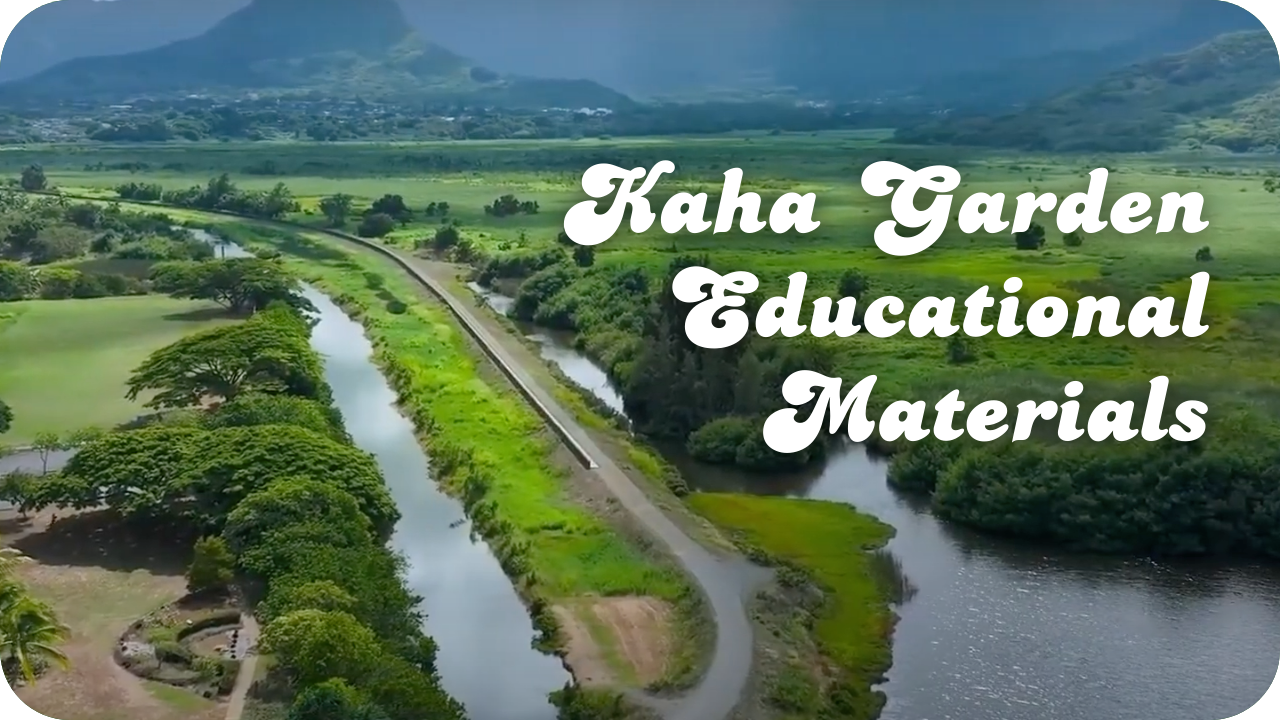 |
Marine Debris Education from the Hawaiʻi Wildlife FundHawaiʻi Wildlife Fund offers classroom presentations, lesson plans, and videos related to coastal science, anchialine pools, and marine debris. They have programs designed for grades K-5 and for grades 6-8, aligned with common core standards.  |
Ocean Education from Papahānaumokuākea Marine National MonumentThe Papapahānaumokuākea Marine National Monument offers educational resources, including lessons and curricula, aquariums, museums, and learning centers, outdoor experiences, and virtual visits. Visit their page to view online content, request a classroom presentation, or schedule a field trip to one of their centers. 
|
Be Pono at the Coast: Guidelines for Homeowners & Beachgoers
Residents and visitors love visiting Hawaiʻi’s coasts for surfing, boating, hiking, or just hanging out at the beach. Our coasts also provide important habitat for native species and cultural practice. There are lots of ways you can be pono with recreating at Hawaiʻi’s coasts. If you have a home near the shoreline, your help is especially needed to ensure we minimize impacts to our coastal ecosystems.
Report Marine DebrisYou can help our coasts by reporting large quantities of marine debris on land or in the water (or any debris too large to remove by hand). Call DLNR DAR’s Marine Debris Rapid Response Program hotline: 833-4-DA-NETS (833-432-6387). Learn more at the link below. 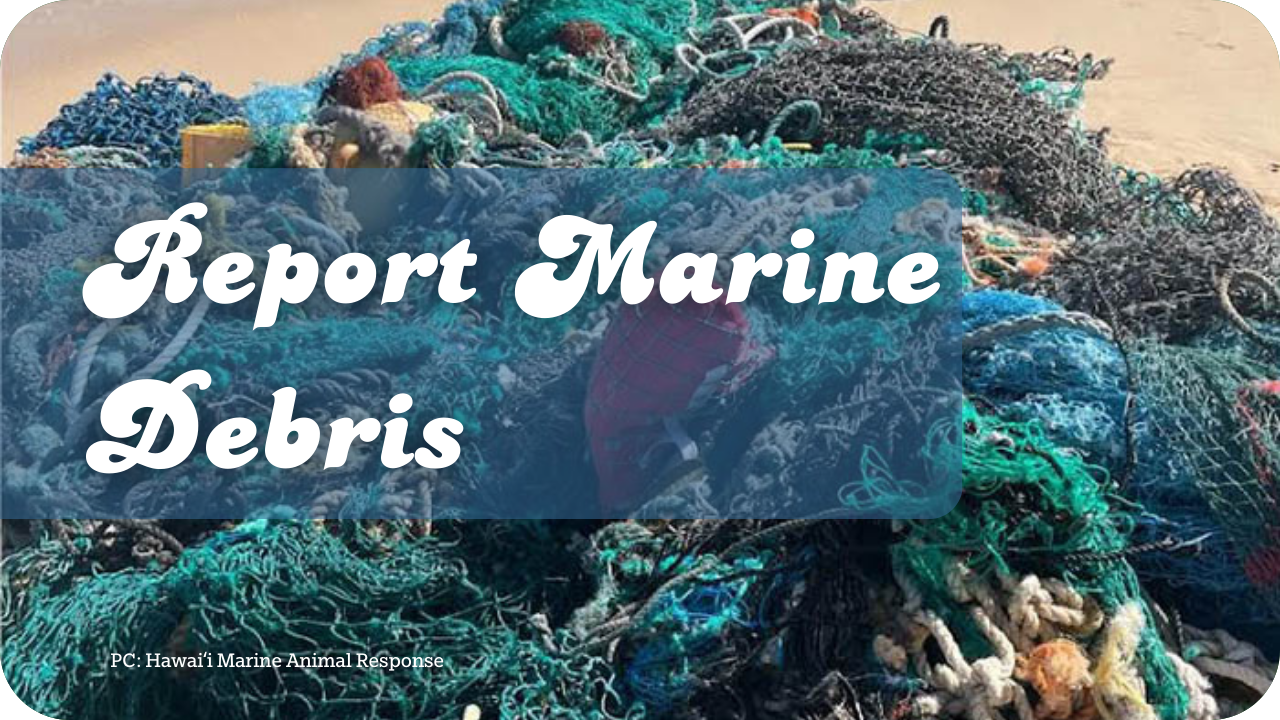 |
Seabird Fallout: Use Seabird-Friendly Lighting & Report Downed BirdsSeabirds can become disoriented by our artificial lighting (lights in homes, businesses, street lights, etc.) and either circle lights or collide with structures, and may fall to the ground due to exhaustion or injury from collision. This fallout occurs most often during September to December when young birds leave their nests for the first time. You can help prevent fallout any time of the year by installing seabird-friendly lighting or reporting downed birds. DLNR Forestry & Wildlife: Seabird Fallout & Seabird Friendly Lighting 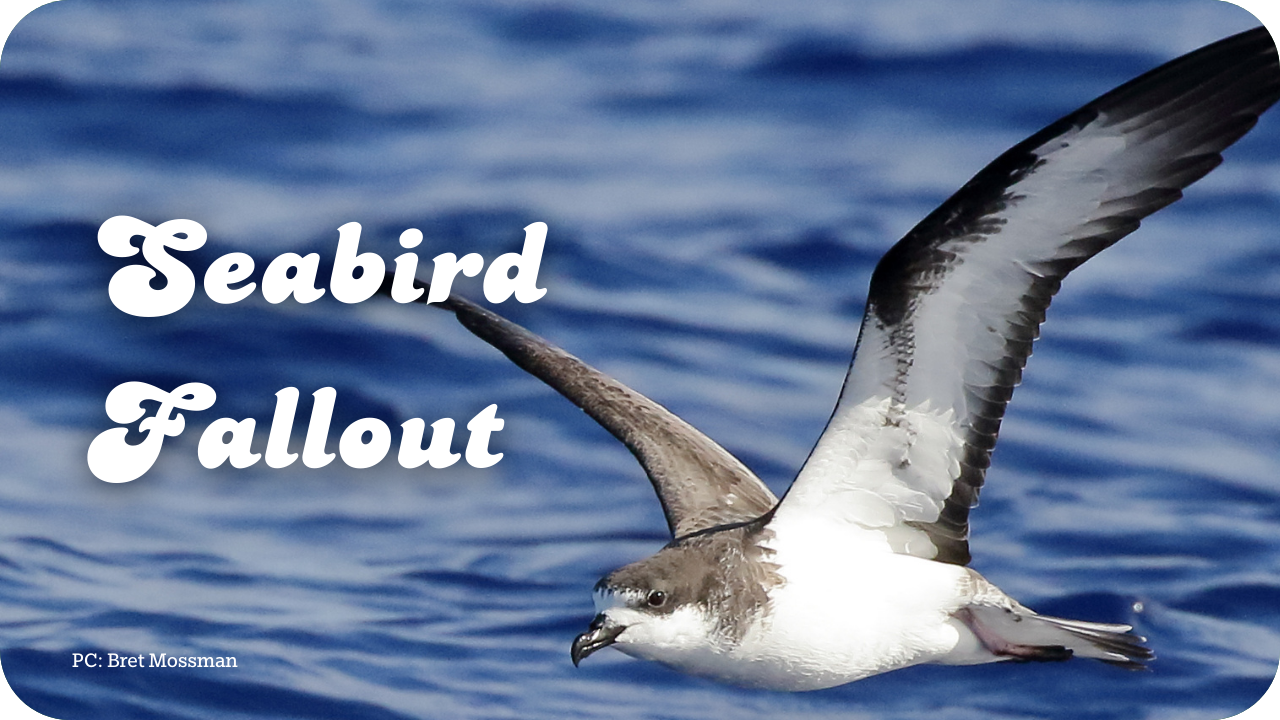 |
Be a Pono Cat ParentHumans love their pet cats, and cats at home can be a great companion. Outdoors, cats can harm Hawaiʻi’s wildlife and ecosystems through predation (even fed cats will prey on birds) and through disease. Cats are the only reproductive host of the parasite that causes the disease Toxoplasmosis, which is deadly to monk seals, coastal birds, and causes health issues in people who are immunocompromised or pregnant (Toxoplasmosis is associated with birth defects and miscarriage). Pet cats should be kept indoors, and people should not feed outdoor or feral cats. The Hawaiʻi Veterinary Medical Association and partners created the Pono Cat Parent Pledge, which you can take to be a responsible pet owner. If you take the Pono Cat Parent Pledge, email us at [email protected], and weʻll send you a free “My Indoor Cat Saves Lives” bumper sticker. 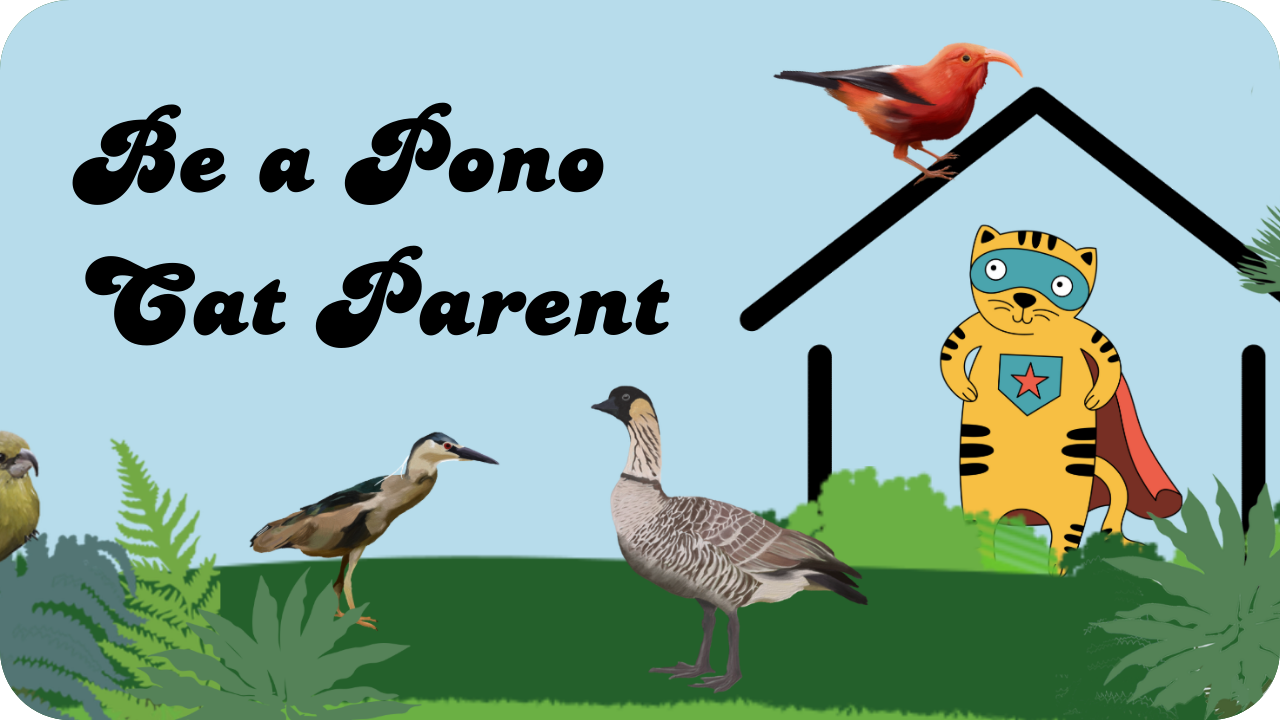 |
Don’t Let it Loose: Promoting Responsible Pet OwnershipOne of the major pathways for aquatic invasive species introductions is when owners of turtles, fish, or other aquarium species no longer want their pets. Rather than turning them in to an amnesty location or finding another owner, they release their pets into the wild, causing harm to our native ecosystems. You can be a responsible pet owner by using amnesty drop-off locations and following one simple rule: Don’t let it loose! DLNR DAR: Don’t Let It Loose Program and Amnesty Drop-off Locations  |
Reef Friendly Landscaping Certification on MauiThe way you landscape your yard can impact Hawaiʻi’s coral reefs. The Maui Nui Marine Resource Council offers this certification to help you maintain healthier plants in your yard and contribute to a better Maui Nui. Learn how to save costs, promote plant health, decrease pests, and lower your water usage, all while protecting coral reefs from chemical runoff. Maui Nui Marine Resource Council: Reef-Friendly Landscaping Certification Course 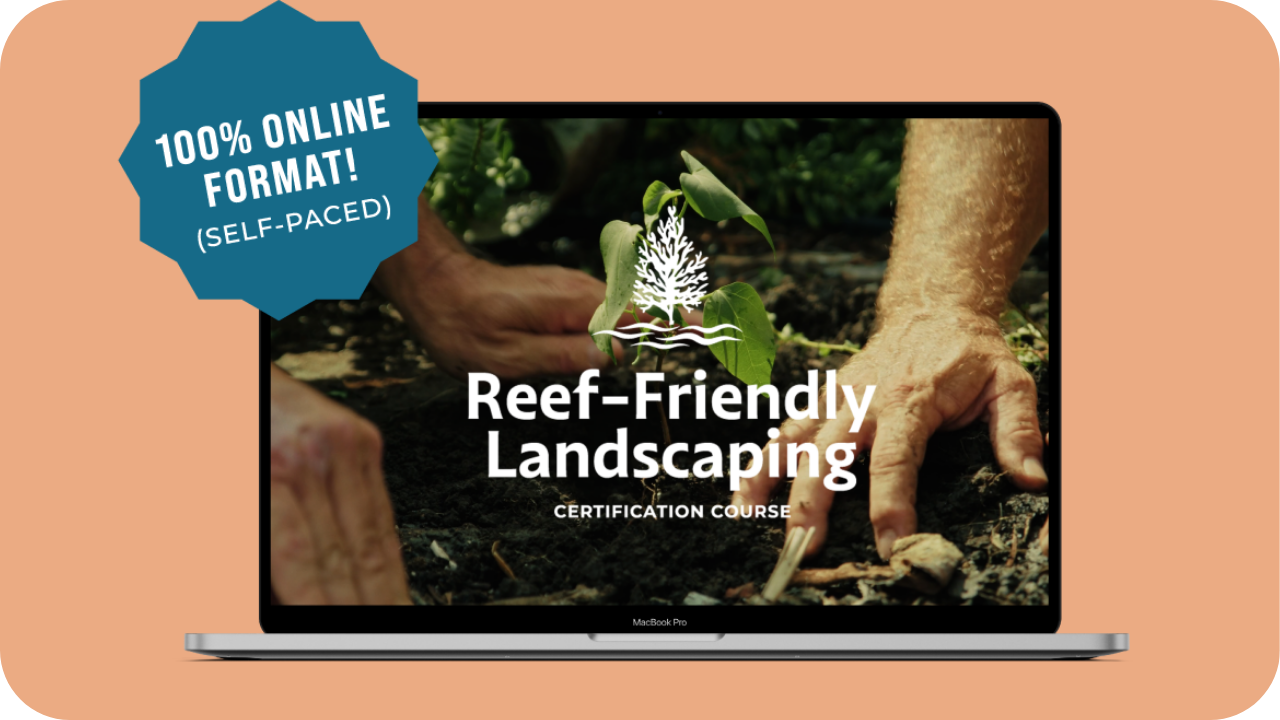 |
Homeowner guide: Rain gardens, rain barrels, and permeable surfacesLearn how to create a rain garden, install a rain barrel, use permeable construction materials, and build a healthy native landscape using this collection of resources from Hui o Koʻolaupoko.  |
How to Support Native Hawaiian Waterbirds on Your PropertyHawai‘i has five unique waterbirds that are found nowhere else in the world. Their numbers are falling, but property owners with ponds, golf courses, riverine areas, wet meadows, and even lawns near water can make a real difference to their survival. Learn how with this resource from Pacific Birds Habitat Joint Venture. Pacific Birds: How to Support Native Hawaiian Waterbirds on Your Property 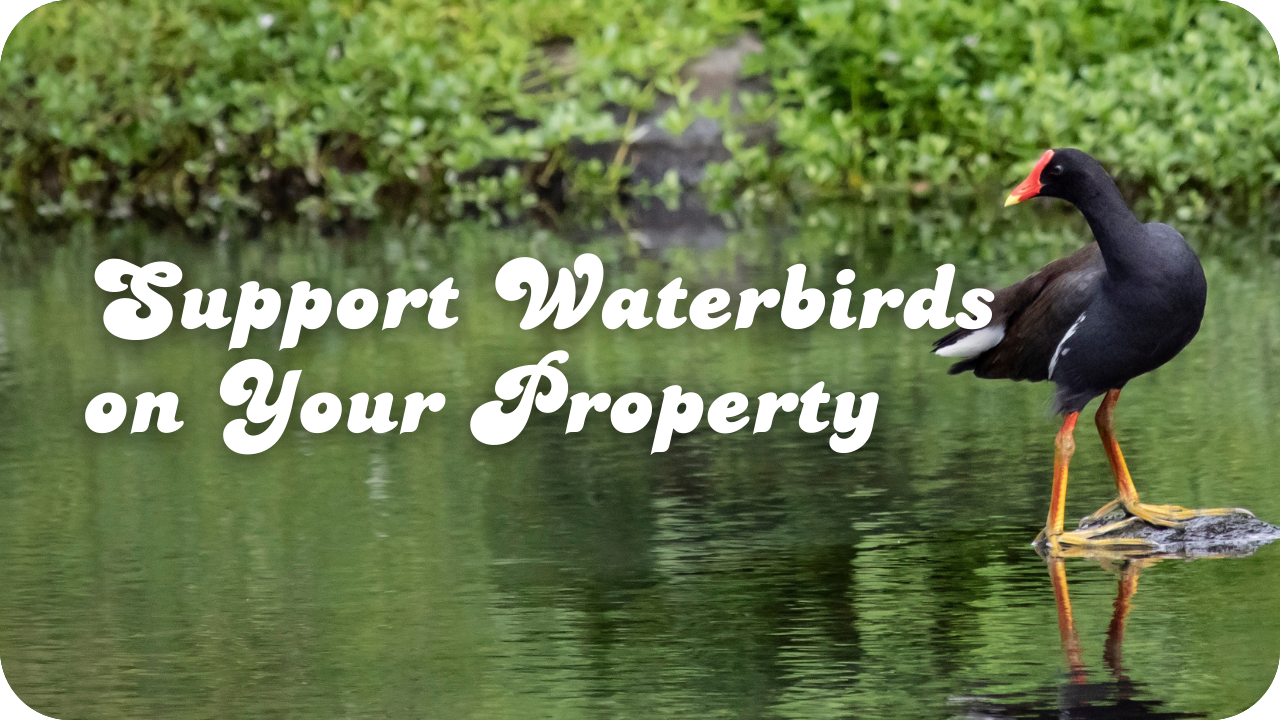 |
Be Pono Near Threatened & Endangered SpeciesWe share our coasts with threatened and endangered species that were here long before us. It is our responsibility to be careful around at-risk species and ensure that they’ll be here for the future. We have guidance to help you follow conservation laws and keep coastal species safe, like waterbirds, seabirds, ʻōpeʻapeʻa, plants, honu, and ilio holo i ka uaua. 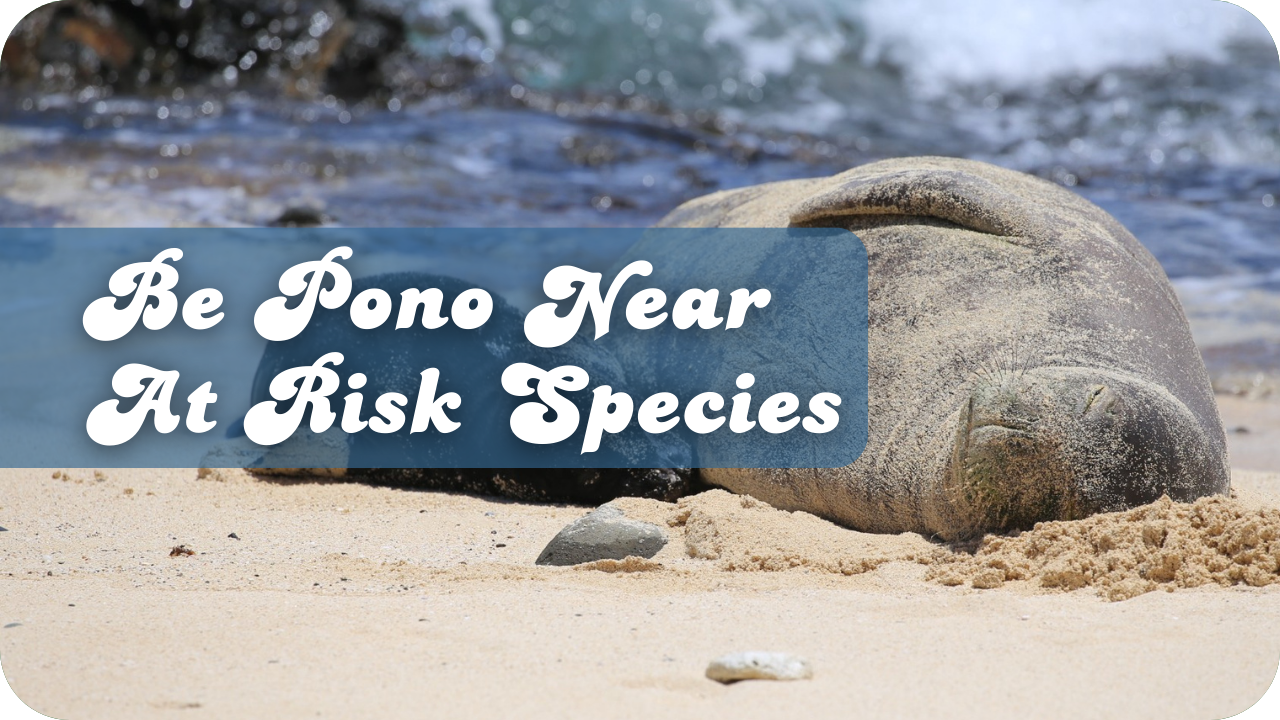 |
Fishing Around Protected Species & I Fish PonoDLNR Division of Aquatic Resources has guidance on how to fish near protected species, and guidance on how to be a pono fisher. You can help Hawaiʻi’s fish by using barbless hooks, taking the right size of fish, leaving male uhu, following fishing laws and rules, and more. 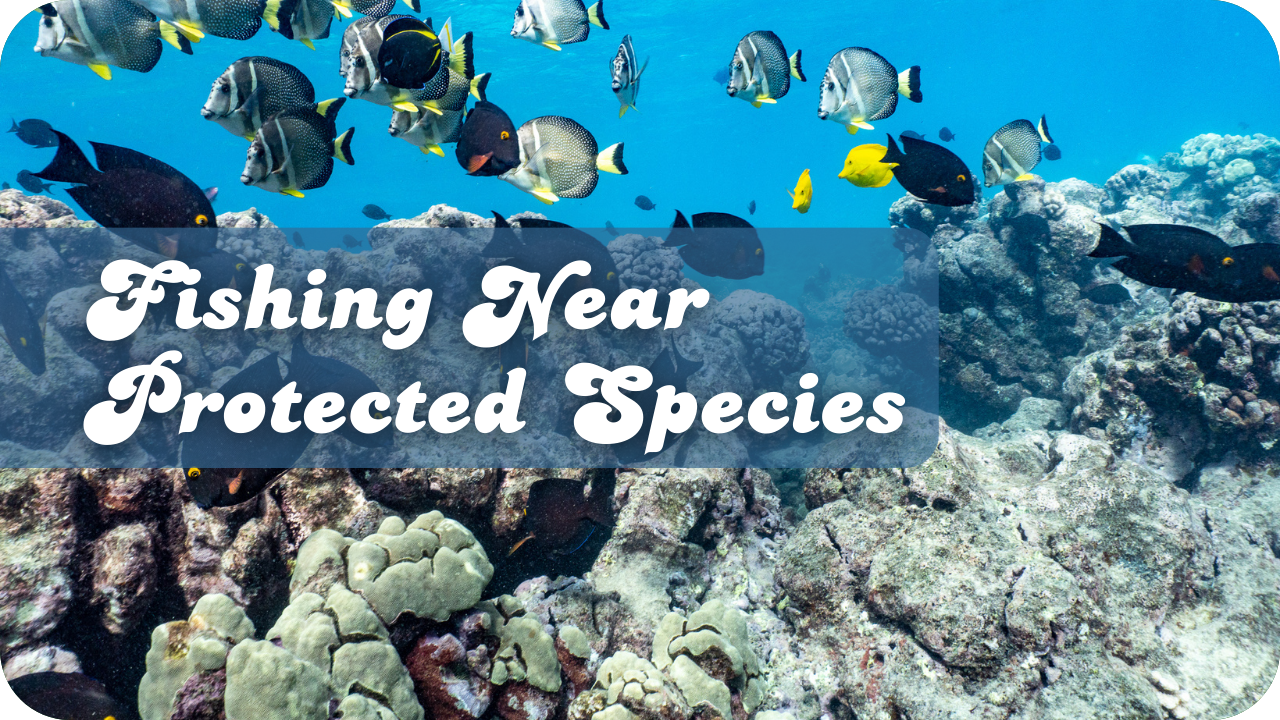 |
Mālama O Ke Kai: Take Care of the OceanYour behavior in the water and on land can make an impact to our coastal ecosystems. DLNR DAR reminds you that corals are alive and that standing on or touching corals can kill them. Remember that all ahupuaʻa lead to the ocean, and keeping trash and chemicals away from water ensures that we keep our oceans clean. 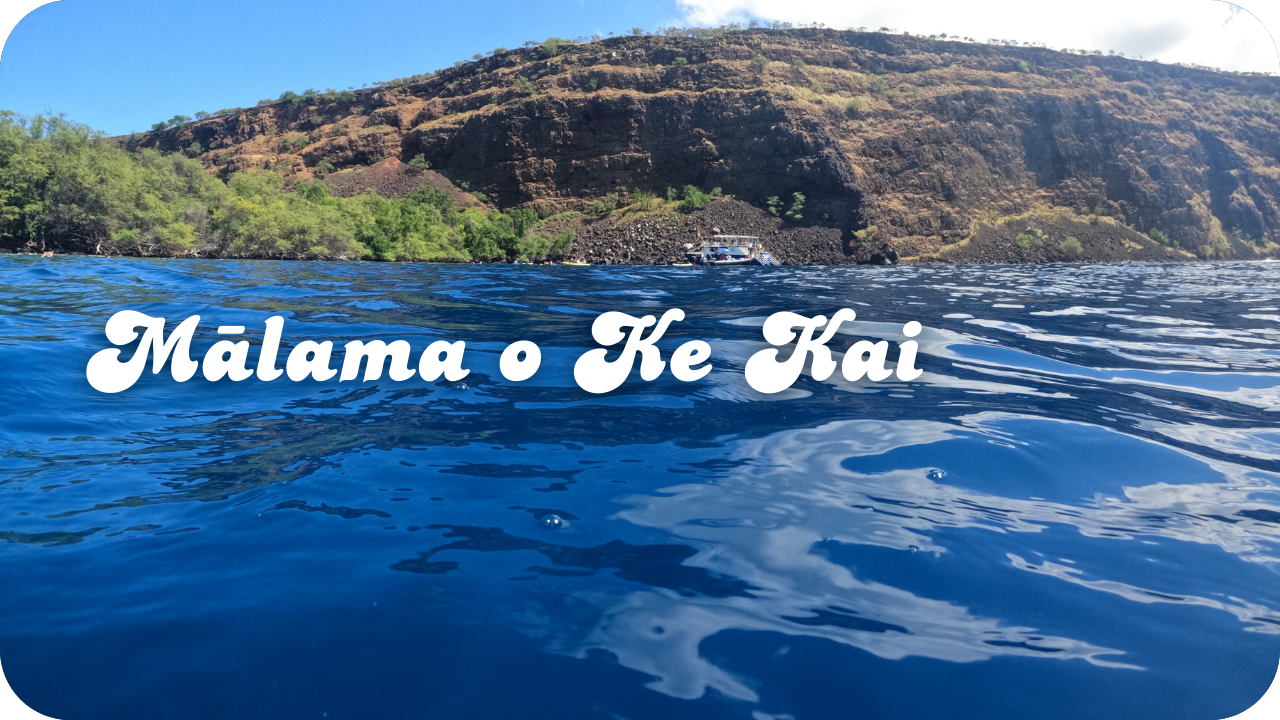 |
Help Collect Data on Hawaiian Waterbirds with eBird!Anyone can help provide data on the presence of native Hawaiian waterbirds. Since these birds move around and some species are rare, biologists need your help in recording your sightings. You can use the eBird mobile app, and data will be made available to partners like Pacific Birds Habitat Joint Venture. Learn more in their flyer. 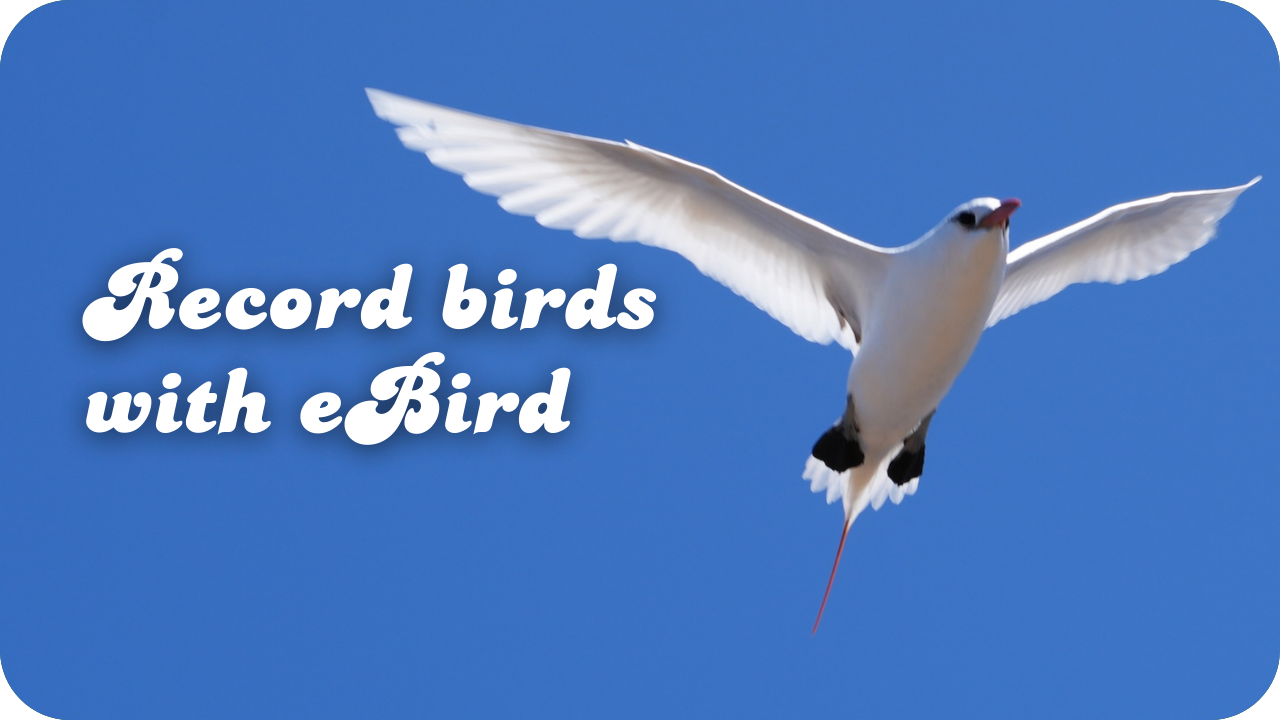 |
Get Your Boating Certifications, Vessel Registration, and TitleWhen out on the waters, it is important to be safe. The best way to do that is to arm yourself with knowledge. DLNR’s Division of Boating and Ocean Recreation (DOBOR) has information at the link below can make you a safer boater, and some of the education is required to operate certain vessels. DOBOR also handles required vessel registration and titling. 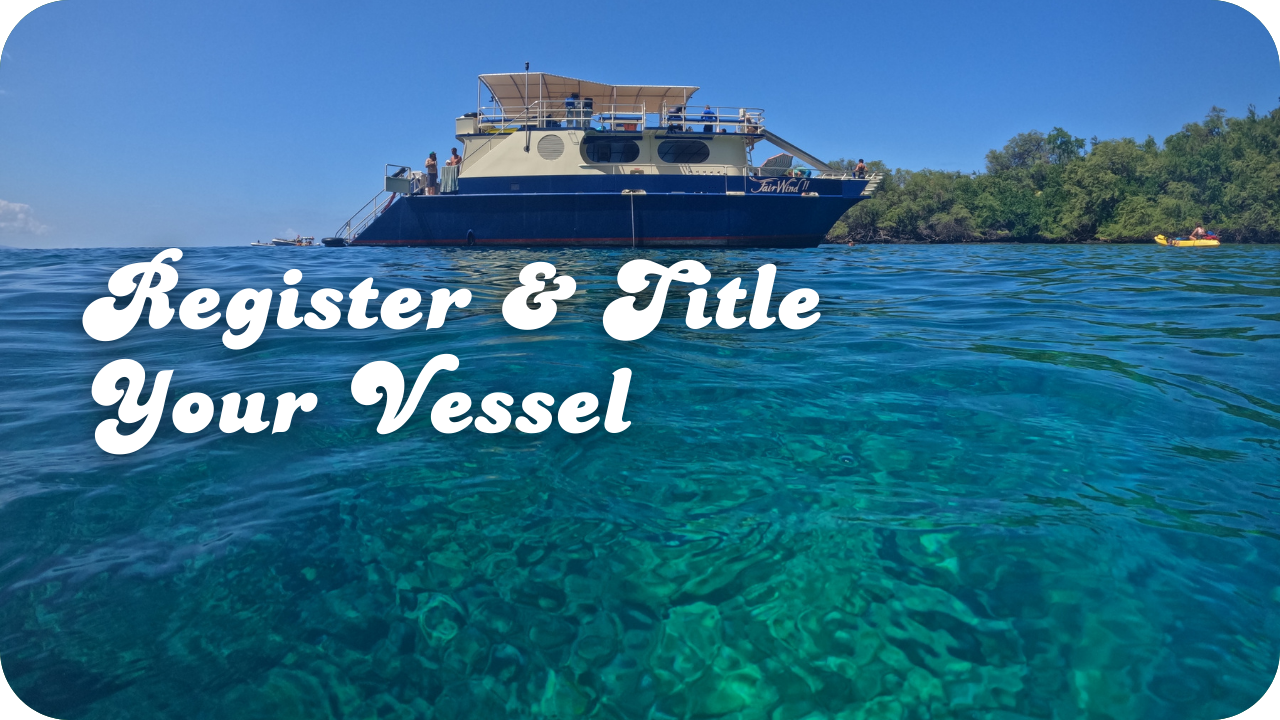 |
Hawaiʻi Boater’s Hurricane and Tsunami Safety ManualFrom UH Sea Grant, the DLNR Division of Boating and Ocean Recreation, and other partners, this updated manual provides a summary of the actions boaters and other members of Hawai‘i’s marine community can take before, during, and after a hurricane or tsunami. It includes information on these events and their dangers, provides guidelines to develop a personal preparedness plan, and lists emergency assistance information (phone numbers, radio frequencies, and hurricane evacuation shelter locations). UH Sea Grant: Hawaiʻi Boater’s Hurricane and Tsunami Safety Manual 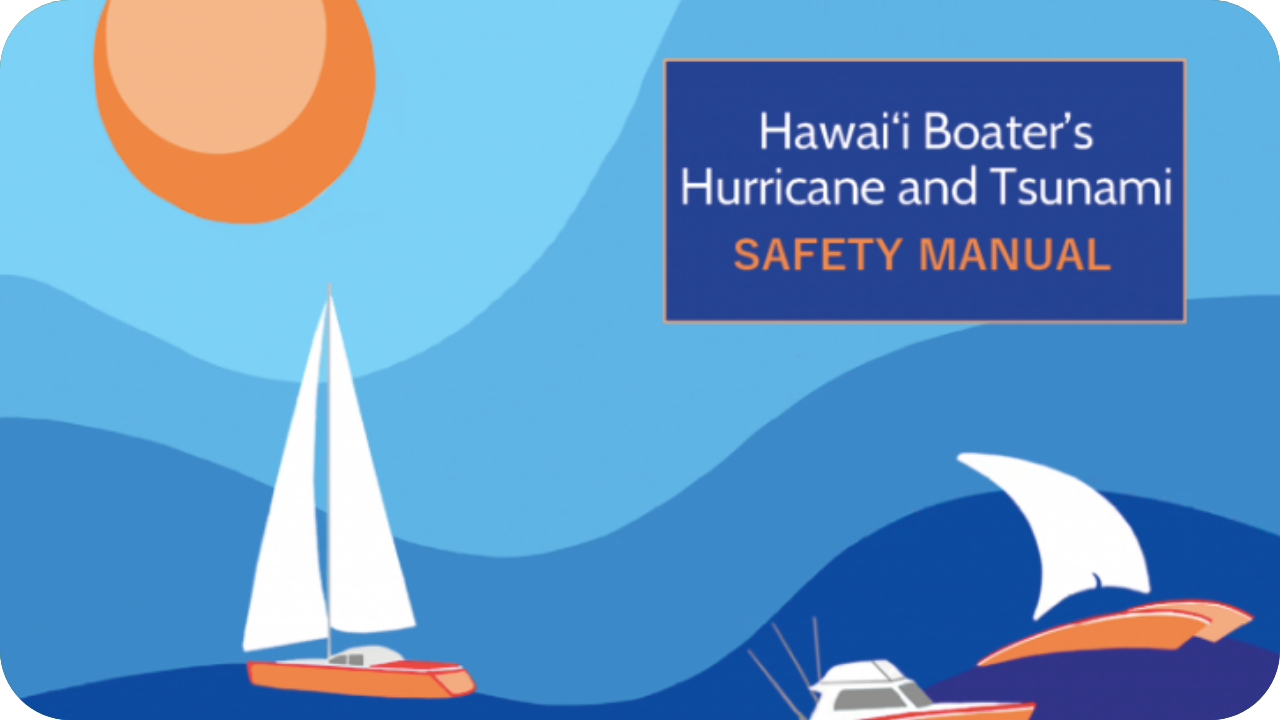
|
Merch & Donations
Show your love for our coasts with some free swag, shop coastal merch from our partners, or donate to one of the many organizations helping to protect Hawaiʻi’s coastlines.
Free: Download Coastal Virtual Meeting Backgrounds & Phone WallpapersDLNR Forestry & Wildlife provides free tools to bring coastal plants and animals into your next Zoom meeting or to your phone’s wallpaper. This year’s backgrounds feature artwork by local artist Malia Heimuli as well as photos taken by our staff as they work to protect our coastal birds, plants, and insects. Download your free virtual meeting backgrounds & phone wallpapers here 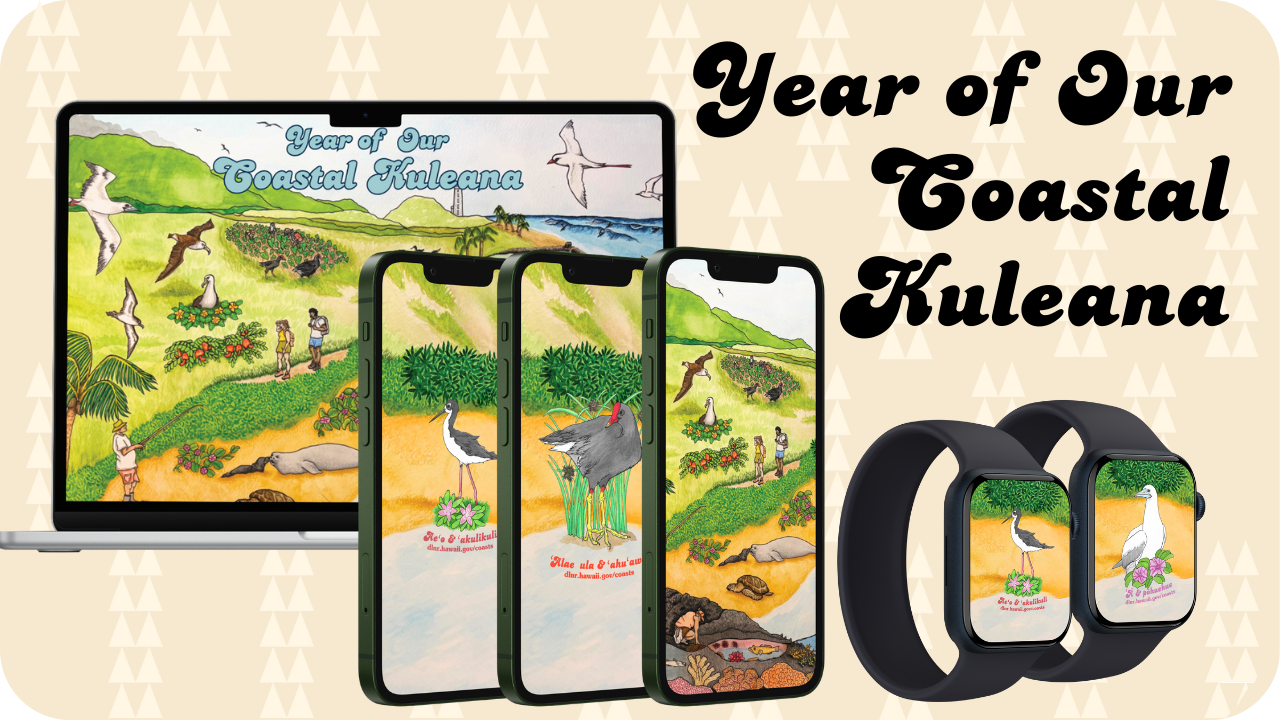 |
Shop or donate: Bishop MuseumBishop Museum is one of our key partners in our “Year of” campaigns by bridging academic research, museum collections, and public education. You can support Bishop Museum while learning about Hawaiʻi’s coasts by exploring options to visit the museum, visit their Shop Pacifica, or explore educational books by Bishop Museum Press.  |
Shop or donate: Hawaiʻi Audubon SocietyThe Hawai’i Audubon Society was established locally in 1939 by a small group of dedicated birders to further the protection and conservation of Hawai’i’s native wildlife and ecosystems. Their online shop has a donation tool, as well as books, shirts, and calendars featuring coastal birds. Visit Hawaiʻi Audubon Society’s online shop & donation portal  |
Shop or donate: Hawaiʻi Wildlife CenterThe Hawai‘i Wildlife Center is a state- and region-wide 501(c)(3) nonprofit wildlife response and conservation organization. They provide medical and rehabilitative care to all species of native birds and ʻōpeʻapeʻa. Their online shop has earrings, stickers, bags, books, and stuffies featuring coastal birds and the ʻōpeʻapeʻa. Visit Hawaiʻi Wildlife Center’s online shop & donation portal  |
Shop or donate: Nene.orgNene.org, or Nēnē Research and Conservation, is dedicated to the preservation and recovery of nēnē. By collaborating with government agencies and local groups, their mission centers on leveraging community-sourced data to enhance conservation strategies, support predator management, and inform policy-making. Visit Nene.org’s online shop or donation portal  |
Shop or Donate: ʻĀina Hoʻōla InitaitveʻĀina Hoʻōla Initaitve is a Hilo-based non-profit restoring the Lokowaka Pond complex. Every helping hand strengthens ʻĀina Hoʻōla. There are many ways to contribute, and every form of support helps the ʻāina thrive. Visit their website to learn more or their shop and donation portal below.
|
Donate: Department of Land and Natural ResourcesDLNR now has a donation portal where you can support our work to enhance, protect, conserve, and manage Hawaiʻi’s natural and cultural resources. This donation link provides funds into an account that is available to the entire department. If you prefer to specifically donate to marine or terrestrial conservation, check out the links to Aloha i ke Kai and the Natural Area Reserves System below.  |
Donate: Kure Atoll ConservancyHōlanikū, or Kure Atoll, is one of the most remote wildlife sanctuaries in the world. From ground-nesting seabirds to endangered Laysan Ducks and Hawaiian Monk Seals, every species here depends on dedicated habitat restoration, invasive species management, and careful ecosystem monitoring. Your support fuels the work of our passionate staff and volunteers, restores native plants, protects critical nesting sites, and safeguards the wildlife that call this extraordinary place home.
|
Donate: Aloha i ke Kai (DLNR Division of Aquatic Resources)The Aloha i ke Kai program is managed by the State of Hawaiʻi Division of Aquatic Resources and funds marine stewardship programs throughout the State. This includes programs like day use mooring buoys, community and ocean operator stewardship initiatives, coral reef restoration, coastal water quality, marine invasive species management, education and outreach, and marine debris prevention and response. Your contribution will make a significant impact on the conservation of marine life and ecosystems. Join us in ensuring a sustainable and thriving future for our Ocean!
|
Donate: Natural Area Reserves (DLNR Division of Forestry & Wildllife)The Natural Area Reserves System (NARS) was established to preserve unique Hawaiian ecosystems and the species that call them home. The diverse areas found in the NARS range from marine and coastal environments to lava flows, tropical rainforests, and even an alpine desert. Some of the coastal and marine reserves in the NARS include ʻĀhihi-Kīnaʻu on Maui, Kaʻena Point on Oʻahu, and Manukā on Hawaiʻi Island. By donating the NARS you can help support management actions that preserve native plants and animals and their habitats. Learn more about NARS at the link below.
|
Donate: Kauaʻi Endangered Seabird Recovery ProjectThe Kauaʻi Endangered Seabird Recovery Project is a project of the Pacific Cooperative Studies Unit of the University of Hawaii at Manoa in association with Hawaiʻi Department of Land and Natural Resources (DLNR), Division of Forestry and Wildlife. Formed in 2006, the project focuses primarily on endangered seabirds found on the island of Kauaʻi: ʻaʻo, or Newell’s Shearwater (Puffinus newelli), ʻuaʻu, or Hawaiian Petrel (Pterodroma sandwichensis), and ‘akē’akē, or Band-rumped Storm-Petrel (Oceanodroma castro). Their work involves identifying the breeding distribution of these rare and enigmatic seabirds, monitoring their breeding colonies, undertaking research projects to better understand their life histories and the various threats which they face, and working with partner projects and organizations to ensure their long-term conservation. Visit the Kauaʻi Endangered Seabird Recovery Project donation portal  |
Donate: Maui Nui Seabird Recovery ProjectThe Maui Nui Seabird Recovery Project is a project of the Pacific Cooperative Studies Unit of the University of Hawaii at Manoa in association with Hawaiʻi Department of Land and Natural Resources (DLNR), Division of Forestry and Wildlife (DOFAW) and Pacific Rim Conservation (501C3). MNSRP works to help DLNR fulfill its constitutionally mandated responsibility for the protection and management of seabirds and their habitats in Maui Nui.  |
Donate: Livable Maunalua HuiLivable Maunalua Hui (formerly Livable Hawaiʻi Kai Hui) is a nonprofit connecting the community to the ʻāina of Maunalua through volunteerism, stewardship, and education. As part of their work, they manage Keawāwā wetland, providing important habitat for coastal birds.  |
Donate: Big Island Invasive Species CommitteeBIISC works to prevent, detect, and control the establishment and spread of invasive species threats to the Big Island environment, economy, and way of life. They work island-wide protecting our native forests, communities, and agriculture from new and ongoing threats. Visit the Big Island Invasive Species Committee donation portal  |
Donate: UH Sea GrantThe University of Hawai‘i Sea Grant College Program (UH Sea Grant) works for the people of Hawai‘i. It funds targeted, leading-edge research on the challenges and opportunities facing our coastal communities. Extension faculty apply the results of this research to improve our quality of life, now and for future generations. Your generous support helps Sea Grant reach out to more people in our community, educate students and fund the highest-quality research.  |
Donate: Hui o KoʻolaupokoHui o Koʻolaupoko is a 501(c)3 non-profit watershed management group established in 2007 to work with communities to improve water quality through ecosystem restoration and storm water management, focusing specifically in the Ko`olaupoko region – from Makapu`u to Kualoa. HOK implements innovative, on-the-ground projects that effectively manage and protect water quality and natural resources in Hawai`i.  |
Donate and Get Involved: Manu ʻIwa o ka MalanaiThe mission of Manu ʻIwa o ka Malanai is to restore Kailua’s shallow water ecosystems of reefs, fish, and sea life with practices that incorporate Hawaiian ancestral practices with modern science, honoring the once-abundant fishing grounds of Kailua. Visit their website to learn more, or get involved at the link below. Visit the Manu ʻIwa o ka Malanai “Get Involved” page and Donation Portal  |
Donate: Hawaiʻi Wildlife FundHawaiʻi Wildlife Fund is a 501(c)(3) nonprofit organization dedicated to the conservation of Hawaiʻi’s wildlife. They protect native species and habitats, and provide environmental education opportunities for our community members and visitors. Learn more at their website.  |
Donate: Love the SeaLove the Sea is a non-profit that extracts plastic marine debris from coastal regions only accessible by water. When surf conditions are safe, Love the Sea mobilizes a team of experienced water men and women who utilize boats and jet skis to remove plastic, nets, and line debris from hard-to-reach coastlines and open ocean waters. Visit their website to learn more, or get involved at the link below.  |
Donate: 808 Cleanups808 Cleanups’ mission is educating and empowering the community in ways to sustainably restore Hawaiʻi’s native ecosystems and neighborhood spaces, through decentralized cleanups and environmental stewardship. Learn more about 808 Cleanups and find volunteer opportunities by visiting their website, or use the link below to donate.  |
Donate: Mālama MaunaluaMālama Maunalua is committed to restoring the health of Maunalua Bay through habitat restoration, science and planning, and education and outreach. Restoring Maunalua Bay takes a community that understands the Bay is in trouble, believes the Bay is worth saving, and has hope that the decline can be reversed. Their work is driven by these community members who help improve the quality of Maunalua Bay.
|
Donate: Sustainable Coastlines Hawaiʻi Sustainable Coastlines Hawaii is a registered 501(c)3 nonprofit with a mission to inspire local communities to care for their coastlines and a vision of a world of inspired people, clean beaches, and healthy coastlines.  |
Events
Embrace your coastal kuleana by joining a beach cleanup, volunteering to remove weeds, or helping to plant native plants. Or, join one of our celebratory events and come connect with campaign partners and learn more about our connections to coasts. Our calendar aims to provide accurate information for events run by various conservation groups, but always double-check with the specific organization you want to volunteer with to ensure that their event dates and times haven’t changed.
If you’re a nonprofit hosting coastal volunteer events and would like your event listed on our calendar, contact us here. We’re looking for partners to host events on June 6, 2026 as part of a Statewide Community Restoration Day. Click here to learn more and sign up to host an event. For participating partners, click here after your event to record your data.
Events
Calendar of Events
|
Sunday
|
Monday
|
Tuesday
|
Wednesday
|
Thursday
|
Friday
|
Saturday
|
|---|---|---|---|---|---|---|
2 events,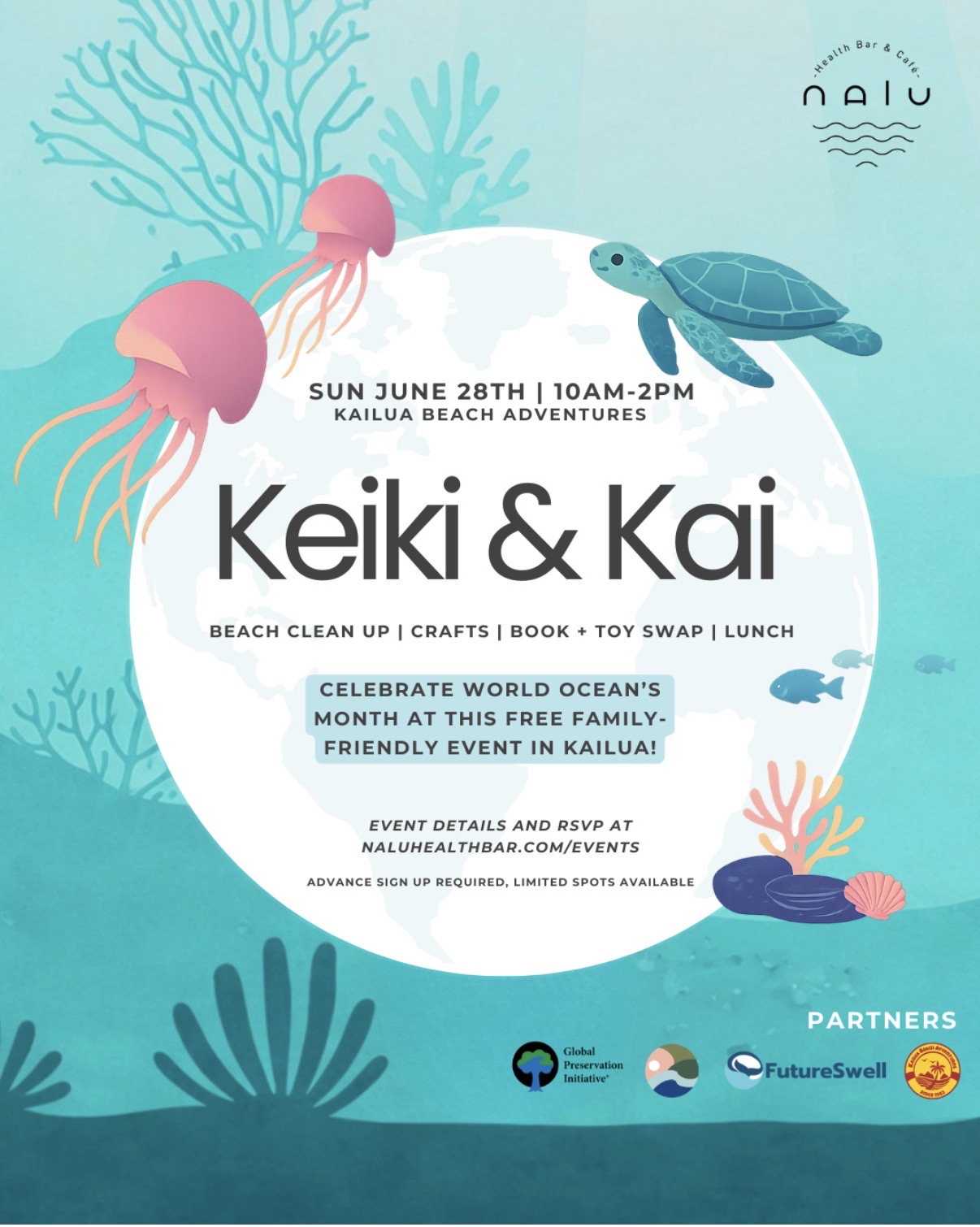
SUN JUNE 28TH | 10AM-2PM KAILUA BEACH ADVENTURES: Keiki & Kai BEACH CLEAN UP | CRAFTS | BOOK + TOY SWAP | LUNCH CELEBRATE WORLD OCEAN'S MONTH AT THIS FREE […] |
2 events,Open to the public every Monday 4-6pm and the first Saturday 9-11am each month. All ages welcomed. Children 14 and under need to be accompanied by an adult. |
4 events,Loʻi workdays occur every Monday, Tuesday and Friday and run from 9:00 am -12:30pm. Tasks include weeding, planting and harvesting. |
4 events,The Olowalu Cultural Reserve is open for schools and other educational organizations to come and learn about the environment and the culture of the Native Hawaiian land and practices. Our […] Wetland restoration workdays occur every Tuesday from 8:30 am – 12 pm. These workdays involve removal of invasive plants, out-planting native plant species, and clearing waterways. Loʻi workdays occur every Monday, Tuesday and Friday and run from 9:00 am -12:30pm. Tasks include weeding, planting and harvesting. |
3 events,The Olowalu Cultural Reserve is open for schools and other educational organizations to come and learn about the environment and the culture of the Native Hawaiian land and practices. Our […] Weekly volunteer opportunities at Keawāwa Wetland! Join us from 3 to 5 p.m. every Thursday! Flyer here. |
5 events,Saturday community workdays occur in the loʻi on the first Saturday of each month from 8:30am – 12pm. Tasks includes weeding and maintenance of loʻi and ʻauwai. This group meets weekly, 8:30 am near the lifeguard tower in front of Morgan Pond. All are welcome to come out and join in and stay to talk story after […] |
|
3 events,1st Sunday of each month. The December workday will be in partnership with 1 Hotel Hanalei Bay, Surfrider Foundation, and Rothy’s for a coastal restoration project. Meet at Kāhili Beach […] Come clean the beach with us and our friends at PAL Hawaii and Kumu Camp. for our 5th annual cleanup. |
1 event,Open to the public every Monday 4-6pm and the first Saturday 9-11am each month. All ages welcomed. Children 14 and under need to be accompanied by an adult. |
2 events,Loʻi workdays occur every Monday, Tuesday and Friday and run from 9:00 am -12:30pm. Tasks include weeding, planting and harvesting. |
4 events,The Olowalu Cultural Reserve is open for schools and other educational organizations to come and learn about the environment and the culture of the Native Hawaiian land and practices. Our […] Wetland restoration workdays occur every Tuesday from 8:30 am – 12 pm. These workdays involve removal of invasive plants, out-planting native plant species, and clearing waterways. Loʻi workdays occur every Monday, Tuesday and Friday and run from 9:00 am -12:30pm. Tasks include weeding, planting and harvesting. |
4 events,The Olowalu Cultural Reserve is open for schools and other educational organizations to come and learn about the environment and the culture of the Native Hawaiian land and practices. Our […] |
0 events,
|
6 events,Need to balance out your hectic schedule? Connect with the ʻāina and join us! Second Saturdays focus on wetland enhancement for the ʻalaeʻula, the endangered waterbird endemic to only Oʻahu […] This group meets weekly, 8:30 am near the lifeguard tower in front of Morgan Pond. All are welcome to come out and join in and stay to talk story after […] |
|
0 events,
|
1 event,Open to the public every Monday 4-6pm and the first Saturday 9-11am each month. All ages welcomed. Children 14 and under need to be accompanied by an adult. |
3 events,Loʻi workdays occur every Monday, Tuesday and Friday and run from 9:00 am -12:30pm. Tasks include weeding, planting and harvesting. |
4 events,The Olowalu Cultural Reserve is open for schools and other educational organizations to come and learn about the environment and the culture of the Native Hawaiian land and practices. Our […] Wetland restoration workdays occur every Tuesday from 8:30 am – 12 pm. These workdays involve removal of invasive plants, out-planting native plant species, and clearing waterways. Loʻi workdays occur every Monday, Tuesday and Friday and run from 9:00 am -12:30pm. Tasks include weeding, planting and harvesting. |
3 events,The Olowalu Cultural Reserve is open for schools and other educational organizations to come and learn about the environment and the culture of the Native Hawaiian land and practices. Our […] Weekly volunteer opportunities at Keawāwa Wetland! Join us from 3 to 5 p.m. every Thursday! Flyer here. |
0 events,
|
4 events,This group meets weekly, 8:30 am near the lifeguard tower in front of Morgan Pond. All are welcome to come out and join in and stay to talk story after […] Loʻi workdays occur every Monday, Tuesday and Friday and run from 9:00 am -12:30pm. Tasks include weeding, planting and harvesting. |
|
0 events,
|
1 event,Open to the public every Monday 4-6pm and the first Saturday 9-11am each month. All ages welcomed. Children 14 and under need to be accompanied by an adult. |
2 events,Loʻi workdays occur every Monday, Tuesday and Friday and run from 9:00 am -12:30pm. Tasks include weeding, planting and harvesting. |
4 events,The Olowalu Cultural Reserve is open for schools and other educational organizations to come and learn about the environment and the culture of the Native Hawaiian land and practices. Our […] Wetland restoration workdays occur every Tuesday from 8:30 am – 12 pm. These workdays involve removal of invasive plants, out-planting native plant species, and clearing waterways. Loʻi workdays occur every Monday, Tuesday and Friday and run from 9:00 am -12:30pm. Tasks include weeding, planting and harvesting. |
3 events,The Olowalu Cultural Reserve is open for schools and other educational organizations to come and learn about the environment and the culture of the Native Hawaiian land and practices. Our […] Weekly volunteer opportunities at Keawāwa Wetland! Join us from 3 to 5 p.m. every Thursday! Flyer here. |
6 events,This group meets weekly, 8:30 am near the lifeguard tower in front of Morgan Pond. All are welcome to come out and join in and stay to talk story after […] |
|
|
0 events,
|
1 event,Open to the public every Monday 4-6pm and the first Saturday 9-11am each month. All ages welcomed. Children 14 and under need to be accompanied by an adult. |
2 events,Loʻi workdays occur every Monday, Tuesday and Friday and run from 9:00 am -12:30pm. Tasks include weeding, planting and harvesting. |
4 events,The Olowalu Cultural Reserve is open for schools and other educational organizations to come and learn about the environment and the culture of the Native Hawaiian land and practices. Our […] Wetland restoration workdays occur every Tuesday from 8:30 am – 12 pm. These workdays involve removal of invasive plants, out-planting native plant species, and clearing waterways. Loʻi workdays occur every Monday, Tuesday and Friday and run from 9:00 am -12:30pm. Tasks include weeding, planting and harvesting. |
3 events,The Olowalu Cultural Reserve is open for schools and other educational organizations to come and learn about the environment and the culture of the Native Hawaiian land and practices. Our […] Weekly volunteer opportunities at Keawāwa Wetland! Join us from 3 to 5 p.m. every Thursday! Flyer here. |
5 events,Saturday community workdays occur in the loʻi on the first Saturday of each month from 8:30am – 12pm. Tasks includes weeding and maintenance of loʻi and ʻauwai. This group meets weekly, 8:30 am near the lifeguard tower in front of Morgan Pond. All are welcome to come out and join in and stay to talk story after […] |
Mahalo to Governor Green and our many partners in the Year of Our Coastal Kuleana!