Their Only Home


THEIR ONLY HOME
Take a journey through Mauna Kea’s high-elevation dry forest. High above tropical rain clouds, this forest has adapted to an extremely dry and cold climate normally found on continents. You will see plants and animals found nowhere else in the world as you explore this special place.
This forest is one of the last large tracts of dry forest left in Hawai‘i. While there are serious threats to this forest, restoration efforts are helping to protect this special home of a critically endangered bird, the palila.
THE ONE AND ONLY MĀMANE
Learn more about Māmane.
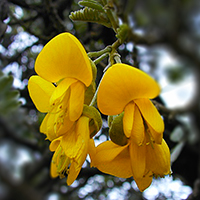
Māmane (Sophora chrysophylla) is only found in Hawai‘i and is the dominant tree of the high-elevation dry forest of Mauna Kea.
It can grow from a large shrub to a tree, with some reaching over 40 feet in height. The māmane’s bright yellow flowers eventually turn into seed pods. Palila depend on these nutritious seeds for food, and are immune to the toxic alkaloids within all the seeds.
Though once common in Hawai‘i’s dry areas, māmane now grow primarily in the high-elevation forest between 5,800 to 10,000 feet.
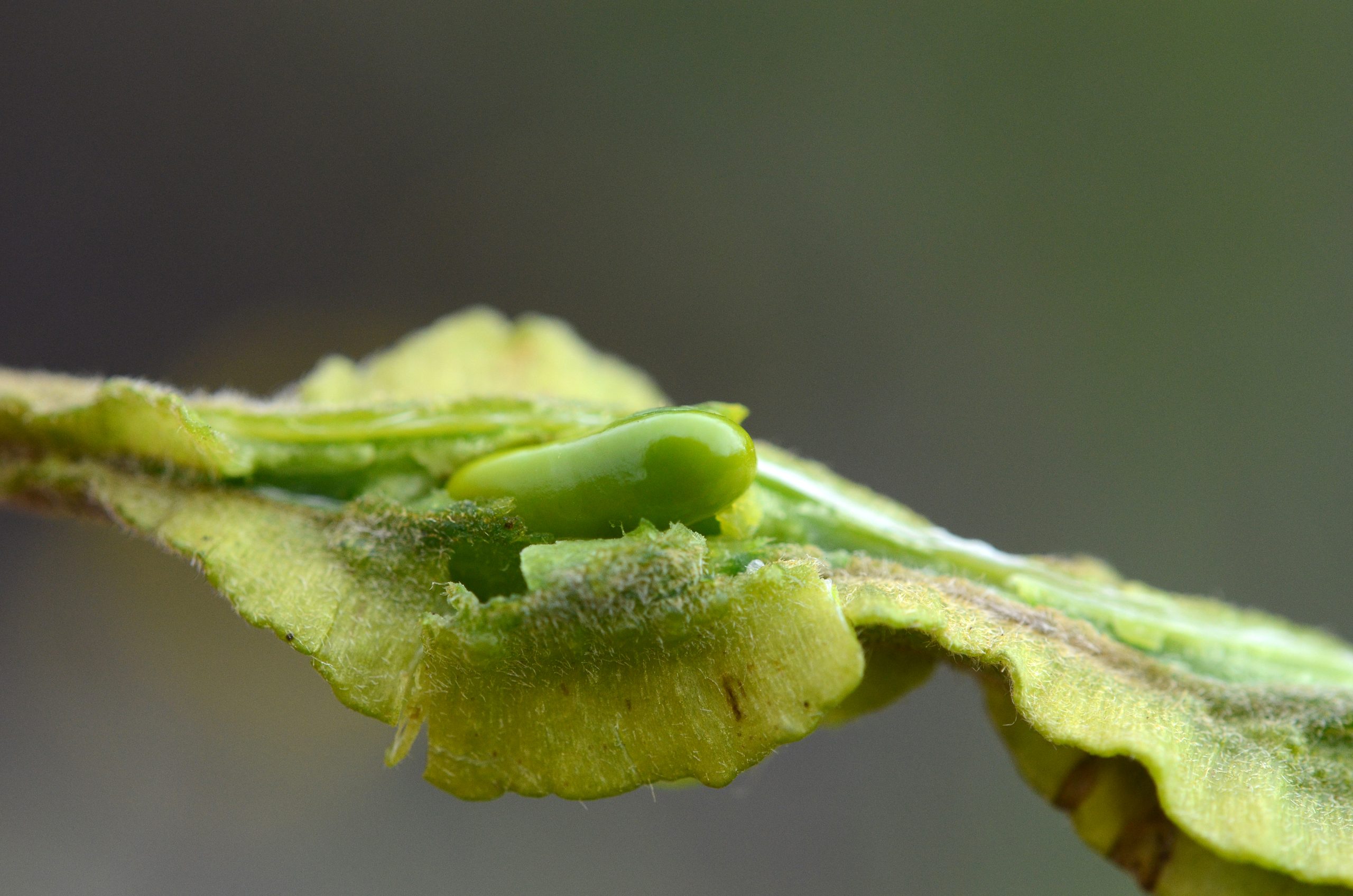
Immature, green māmane seeds make up most of the palila’s diet, although they also eat flowers and leaf buds. Native Cydia caterpillars found in the seed pods are protein-rich and an important food for growing chicks.

A SPECIAL BIRD WORTH PROTECTING
Learn more about Palila.
PALILA (Loxioides bailleui)- CRITICALLY ENDANGERED

Found only on the upper slopes of Mauna Kea, the critically endangered palila has a vibrant yellow head, a strong bill, and a delightful call. This spectacular bird is an important part of our Hawaiian heritage worth protecting.
The last of the finch-billed Hawaiian honeycreepers in the main Hawaiian Islands, palila depend on the māmame of this forest for their main food source. Palila now live in less than 5% of their former range and are considered critically endangered. The palila’s population declined rapidly after 2003, as prolonged and severe drought and browsing damage reduced the health of the māmane forest.

“Numerous in its special haunts, tame, and in foggy weather, constantly uttering its callnote, the palila of the more local birds is one of the easiest to observe….”
—R.C.L. Perkins, ca.1892
GEOLOGIC FEATURES FROM SIGN VANTAGE POINT
